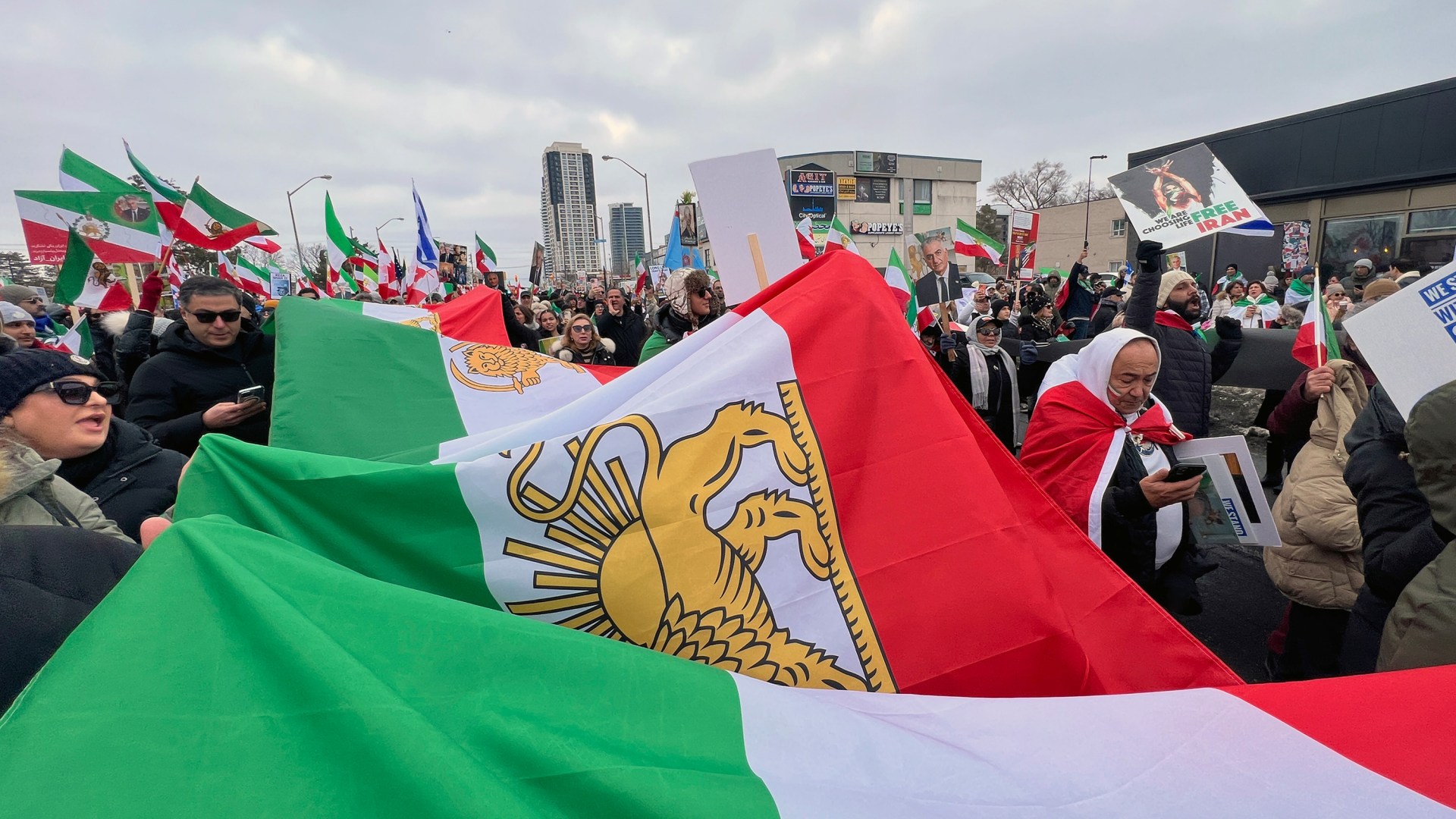
In just over two weeks, the US war in Iran has sparked conflict across the Middle East, rattled the world economy, and placed pressure on military alliances. Roughly two thousand people have been killed in the region, and US service members have also been wounded or killed in the conflict.
President Donald Trump has given mixed signals on the war, and it’s unclear when the fighting will end. But in the meantime, many Iranian Christians, including those in the diaspora, are hoping the war results in the toppling of the repressive Islamic regime, which has ruled Iran for decades.
Recently, Shirin Taber, an Iranian American Christian who is an advocate for religious freedom and women’s rights, spoke over the phone with Christianity Today about the conflict. Taber is the executive director of Empower Women Media and offers one perspective on what the road ahead could look like for the Iranian people. This interview has been edited for length and clarity.
The war in Iran is evolving very rapidly. After the US-Israeli strikes, Iran retaliated against many US allies in the region and there are big developments almost every day. What are your thoughts as you’re watching it unfold?
Many Iranian Americans are very supportive of the US-Israeli involvement. I know many Americans, family and friends, who are not and don’t want us to get involved. There are also people in Europe who are protesting the war. But we, as Iranians, support it because we’ve been waiting 47 years to be liberated from a heinous regime. So in many ways, we feel alone. It’s a painful place. A lot of Iranians feel very isolated. We are grateful to Trump and Israel for taking this bold move when most of the world prefers that he didn’t.
What are the top issues that make you supportive of this effort? Is it the prospect of religious freedom in Iran, democracy, or something else?
When I was a child, I lived in Iran with my family, including my American mother. But when the Iranian revolution happened, we lost everything. We had to flee and leave behind our beautiful life in Iran. We had a great home. I had my friends and a little swimming pool down the street. My dad worked with the airlines—he was an executive.
When the revolution happened, my dad lost his job and we also lost our home. We came to the US with our suitcases. And a year after the revolution, my mother died of cancer. Thankfully, we had American neighbors who took care of and helped raise us, which is how I eventually became a Christian.
Iran was very different before the revolution, and I’m holding on to hope that this war can actually reverse what happened to the country. Before 1979, women didn’t have to wear a hijab and we pretty much did whatever we wanted. I could go to the pool and swim with a bathing suit. You can’t do that anymore in Iran.
We don’t know what Iran will look like in the future. A lot of us are constantly checking the news and have sleepless nights. We feel like we are having a Berlin wall moment and thankfully, Ali Khamenei is gone.
related

What would you like to see next?
Most Iranians I know want Reza Pahlavi, the son of the former Iranian shah, to be president or a transition leader. He’s done the heavy lifting of building an action plan and writing out elements of what would be in a new constitution, which would include religious freedom. The Iranian diaspora is very supportive of him. He called people into the streets for the most recent protests in Iran, during which thousands of people were killed, including my cousin.
It’s very painful. But Pahlavi is the only one whose name is shouted out during protests. He doesn’t have to be president, but if possible, I believe the US should consider putting him into a governing body. A lot of us believe he articulates the best vision for Iran.
Do you see a world in which there would be more religious freedom in Iran without the Islamic regime being completely dislodged and removed from power by the US and Israeli military?
I don’t trust Khamenei’s son, the new supreme leader, because he was right there with his dad squashing protests. And that’s not just during the recent protest but going back to 2009. I would have been more curious if someone else who is more reform-minded had been selected. So I’m very skeptical. If any changes were to happen under the current regime, it wouldn’t last and things will revert to the way they were, like what happened in Afghanistan.
I will say, though, the younger generation in Iran is sick and tired of it all. So even if the regime stays in power, resistance will continue. But we’re asking, how long should it take for Iran to be liberated? We desire a free, secular, and democratic Iran. People can individually be Muslim, but we don’t want to be a one-state religion. If we have religious freedom, Iranian Jews, Christians, and others can come back to the land.

How are Iranians whom you know in the diaspora navigating the tension of wanting the US-Israeli strikes to succeed but also wanting family and friends in Iran to remain safe?
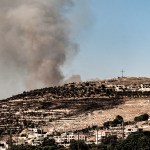
I tend to be focused more on the endgame. But I have family and friends who are very worried, because they’re getting texts and pictures. My family lives in an Iranian city that’s next to a major military site. It was recently struck, and the strike was so powerful that it knocked all the windows out of these homes in the area. My grandfather, who was Muslim, had a beautiful shrine dedicated to him in the city, and it was also damaged. A lot of my relatives are really sad. They’re going back to the shrine and trying to pick up the pieces.
People who are not connected to the regime are suffering. So there is a mixed feeling of wanting liberation but also being worried about family.
What do you feel is missing when it comes to conversations about this war?
I would ask our American family and friends to just hold space for us at this moment. Yesterday, I was out walking with a friend, and she was so down about the war. And I said, “Can you just hold space? We’ve suffered for 47 years … and we’ve lost everything.” I think that’s when the coin dropped and she really heard me.
You can have your feelings, and we don’t have to agree. But I’m asking Americans, and Christians in particular, to be mindful of their Iranian neighbors, especially the believers. Check on them and ask how they’re doing.