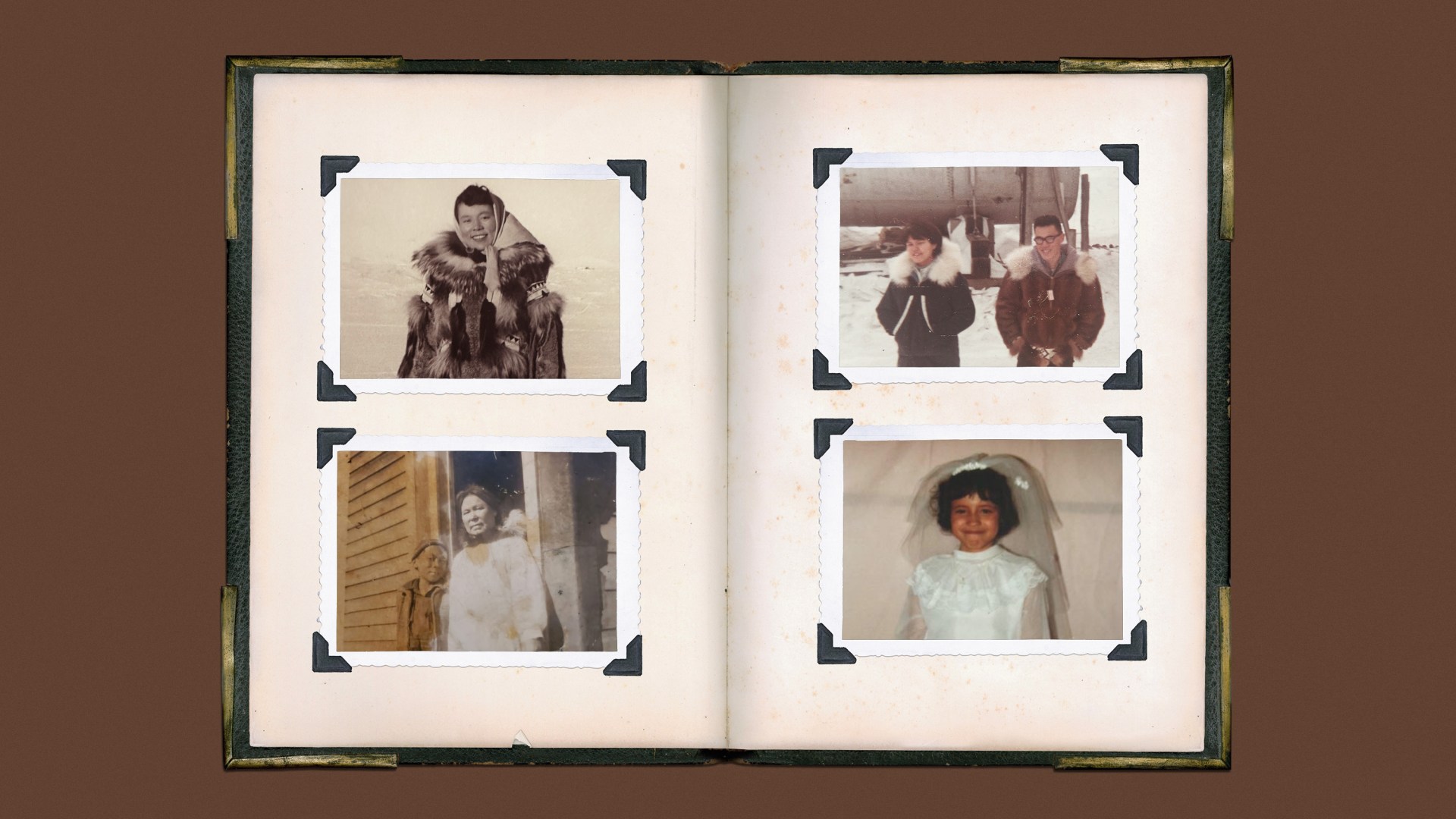
When Martha Craft looks at the class photo from her First Communion in 1979, she contrasts the children’s smiles with their futures. Craft is a member of Alaska’s Iñupiat and Athabaskan peoples, as were many of her classmates, and nearly all would go on to experience profound tragedy, their lives marred by addiction, suicide, and more. Some, she told me, “have lost their faith completely.”
Craft herself was abused by a Catholic priest, she said, one of the known offenders whom the church hierarchy nevertheless assigned to remote Alaska Native villages in the 1960s and 1970s. She believes the priest abused her classmates too. In the years that followed, Craft’s path meandered through alcoholism and eventually to healing in and through her faith in Christ.
Over the past three decades, she has helped child after child through her work: first as a teacher, then as a counselor. Her searing personal history, she explained, has helped her connect even with children “with the most aberrant behavior.” And today, she tells her story in trauma-healing seminars across the United States, primarily working with Native Americans, many of whom have little other—or little positive—contact with the church.
It was through the seminar that Craft met Ryan O’Leary, an Ojibwe Christian who was then completing his doctoral dissertation on trauma among Native populations. O’Leary’s research had ignited his curiosity about his own family’s history and its effects across generations: His paternal grandparents were both students of Indigenous residential boarding schools, institutions in the United States and Canada that many Native children in the 19th and 20th centuries were coerced to attend. Though arrangements varied, often these schools were established by the government and managed by Christian churches and denominations.
In the 1910s, O’Leary’s grandmother Susie Day was forcibly taken from her family by an unknown party to Hayward Indian School in Wisconsin. (Unlike many such institutions, Hayward was run not by a church but by a government agency.) O’Leary’s family doesn’t know who took her, but they’ve passed down the gutting stories she told of her time at the school. When caught speaking her native—and only—language, Ojibwemowin, Susie’s small hands were beaten with the sharp edge of a ruler until they bruised and bled. Students at similar schools were subjected to electric shock or needles piercing their tongues.
Susie’s brother Willie, then 9 years old, was also taken to a residential school in Minnesota. While there, Susie said, he was pushed down the stairs by a staff member attempting to discipline him. The fall was fatal.
Craft and O’Leary alike are careful not to downplay the reality of personal sin in any culture, including those of their tribes. But neither are they willing to downplay the massive and multigenerational damage these institutions wrought.
The boarding schools’ aftershocks are felt in modern tribal life in the United States and Canada to this day. Periods of mandatory attendance in both nations meant that at the schools’ height, a staggering 83 percent of Native school-age children attended hundreds of such boarding schools in the United States, reports David W. Adams in Education for Extinction. The Canadian government likewise funded 139 schools housing more than 150,000 children, many forced from their family homes.
related
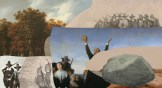

Some tribes put up fierce resistance, and many residential school administrators and teachers believed their work to be a Christian ministry. But the schools were often brutal. They removed Native children from their homes, sometimes taking them hundreds of miles away from their parents for forced assimilation.
Often children’s hair was symbolically cut and their names changed in accordance with what in many schools was an explicit policy: “save the man; kill the Indian.” In some schools, children were habitually neglected, starved, and abused. Some children committed suicide, and sanitation and ventilation were often poor, so significant numbers of children died of disease. Tuberculosis deaths in 1930s residential schools in Canada, for example, were 10 times the national rate at the time.
A 1928 report determined “frankly and unequivocally that the provisions for the care of the Indian children in boarding schools are grossly inadequate,” and a 2024 Washington Post investigation found more than 3,000 Native children died in boarding schools between 1828 and 1970. Other contemporary research similarly shows that the school conditions led to above-average child mortality compared to wider populations at the time. One Canadian report found that the odds of a child dying in the country’s residential schools were the same as the odds of a Canadian soldier dying in World War I.
For all that, these schools’ stories are not exclusively those of abuse. Canada’s Frontier Centre for Public Policy notes that some former students have recognized a measure of good in their experiences. Some boarding school alumni reported developing self-discipline and a strong work ethic, acquiring trade skills, and gaining new ability to interact with the majority culture. Others met friends and spouses or found relief from poverty. In multiple cases, Native communities advocated for a school, particularly for children with no other place to stay. And later in the system’s history, some schools became tribal-run institutions, incorporating Indigenous languages and traditional knowledge into their curricula.

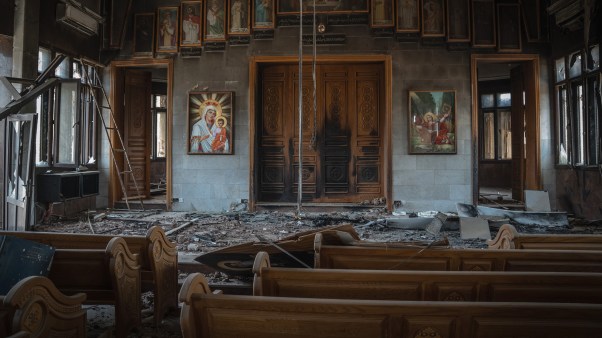
On balance, however, it seems evil outweighed virtue in these institutions—and again, many were administered or supported by churches. Presbyterian, Congregational, Catholic, Episcopal, and Baptist churches sponsored approximately half of the schools in the US, and in Canada, most of such schools were run by Catholic, Anglican (Church of England), Methodist, and Presbyterian (Church of Scotland) churches until 1969.
This is not a history long past. The last residential schools closed in the 1980s and 1990s. Many of the schools’ students are still alive today, and many more families were shaped by this trauma in their recent history.
Last year, Craft took her seminar to two Alaskan villages still only accessible by plane. Every resident over 60, so far as she could tell, had been a residential student because there was no other option in the area when they were young.
Craft and her team prayed as they walked through the first town, she told me, wondering if many people would turn up. They expected a group of around 10. Instead, between the two seminars, dozens arrived and stayed for all three days. Cultural norms of silence and nonverbal communication slowly yielded to honest, open conversation, Craft said. Fearful faces came to express “softness, joy, peace,” she recalled.
At the end of the second day, while the group gathered for a meal, a tribal elder in his 70s stood to say, “This is the first time I’ve talked about what happened to me at that school.”
Native Christians like Craft and O’Leary regularly grapple with the recency of this history and its lack of resolution. Church involvement in the residential schools poses a tremendous—and understandable—obstacle to sharing Jesus with Native people to this day. “Many tribal people associate Christianity with phrases like ‘cultural genocide’ and ‘forced assimilation,’” O’Leary explained.
related
Dennis LaSarge is an Ojibwe Christian I interviewed who was brought up to despise Christianity for exactly these reasons. But he said he’s learned to distinguish that history of grotesque evil from the God revealed in Jesus. “What are the fruits of the Spirit? It’s love, joy, peace. Look at the people who committed those crimes. Does that sound like Jesus Christ?” LaSarge asked. “You have to get to know him. We can move forward and find out who he is.”
O’Leary’s late grandmother Susie was a believer in Jesus too, he told me. Even so, she tended to talk “about fear. I never heard her talk about the goodness of God.” O’Leary suspects this is because she was evangelized at her school but never truly discipled, and “when people go through deeply traumatic experiences, particularly as children, as a result of professing Christians not acting like Christians, it creates deep and often long-lasting trauma in them, including a distorted view of God.”
Craft has seen that same pattern in her life and ministry. “The Catholic church was not representing God when they sent that priest” to her town, she said. She’s passionate about distinguishing human abuses from “the name of God” and helping people understand “what should have happened and who God really is.” Pastors she meets in some of the most remote Alaska Native villages “comment how much hope they now have as the pain and trauma in these villages is now being addressed.”
In O’Leary’s experience, helping Native peoples get to know Jesus requires pairing the gospel and discipleship with biblical justice, active reconciliation, and a robust theology of God’s true character, including his profound goodness. Once Native church members are equipped by seminars from the First Peoples Initiative to navigate their own trauma, he said, they’re able to share the same the training with others on their reservations—a self-replicating, disciple-making ministry he prays will reach those who need it most.
Beyond the seminars, which use much of the same material as Craft’s programs, the initiative is also supporting church planting and revitalization in Native communities, building safehouses with discipleship resources for Indigenous women who flee sex trafficking, connecting Christian mentors to Native entrepreneurs and discipling through business development, and educating Native families in relational and spiritual health.
This work of rebuilding is overwhelming and too often overlooked by other American Christians, who don’t think of tribes in North America as unreached people groups and may not be aware of the historical traumas underpinning high rates of addiction, broken family structures, suicide, and homelessness among Indigenous people.
Yet the power of the Cross can overcome even this trauma, for “by his wounds we are healed” (Isa. 53:5). And today, in places where those acting in Christ’s name once killed, stole, and destroyed, O’Leary’s First Peoples Initiative works to show Indigenous people “what true Biblical Christianity looks like” so “these tribal people come to meet, know, and follow a Jesus who came from the tribe of Judah.”
Janel Breitenstein is a freelance writer on emotionally healthy relationships. She is the author of How to Stop Yelling Up the Stairs: Keeping Your Cool While Raising Your Kids, among other books.