After my divorce, I questioned everything about myself, so whenever outsiders implied that I was even partly to blame for what happened, it hit a nerve. I still remember reading an article weeks after my ex had left that made me even more insecure, and that may or may not have inspired my purchase of a dartboard.
The author said, “After talking with thousands of married couples, I have seldom found a loving, submissive woman with a husband who is abusive or immoral.” He went on to encourage women to suffer with a quiet and patient spirit under any type of mistreatment. The article used Scripture to defend this position, sending me into a rage and solidifying my fear that most Christians were silently judging me for being divorced.
Please know I am not against submission. But biblical submission doesn’t mean putting up with abuse, and a lack of submission cannot be the underlying cause of a spouse’s abusive or immoral behavior. My ex felt that I modeled biblical submission and encouraged me to give talks on it, which I did. But my submission did not save my marriage.
At the same time, I wasn’t blameless in my marriage. Far from it. I acted self-righteously, believing I was never wrong. I said unkind things with a condescending tone. I was critical when I could have been compassionate. And that’s just for starters.
That’s the tension—discerning what is and isn’t actually ours to own. Some of us tend to blame ourselves for everything, constantly replaying what we could have done differently. Others of us instinctively excuse ourselves, shifting the blame elsewhere. And most of us swing between the two, unsure of what’s truly our responsibility. So how do we know what we are truly accountable for and what we’re unfairly carrying?
I had to learn to separate what was truly my responsibility from what others tried to put on me. Maybe you’ve wrestled with that too. Perhaps you’ve been unfairly blamed for things outside of your control, or maybe there are places where God is gently convicting you. We all need wisdom to see the difference. Divorce made me doubt myself, whispering lies that I was all too willing to believe. Here are some of the lies I told myself and the truths I needed to hear.


Lie: I wasn’t enough, or maybe I was too much.
I thought something was inherently wrong with me. Do you wonder whether your spouse would have kept their promises if you were more attractive, in better shape, smarter, more athletic, funnier, less needy, not so talkative, or more outgoing?
Truth: I am enough as I am.
My worth is not defined by my ex’s actions. We are all defined by God’s love for us. You are made in God’s image and are inherently valuable, deserving of love and respect, and God wants you to know that. Don’t let your spouse’s words or actions devalue you.
Lie: If I’d acted differently, this wouldn’t have happened.
I assumed it was somehow my fault. Perhaps you’re beating yourself up, wondering whether, if you’d been more attentive, supportive, or fun, or had taken on different responsibilities, this wouldn’t have happened.
Truth: You’re not responsible for someone else’s actions.
I wasn’t responsible for the choices my ex made. Everyone is accountable for their own actions, so don’t blame yourself or feel guilty about a situation you couldn’t control.
Lie: I failed to notice the warning signs or to fix the relationship.
I felt responsible for fixing our relationship. Perhaps you’re wondering whether you could have saved your marriage if you had noticed signs of trouble earlier and had initiated something—conversations, changes, counseling, or some other kind of intervention.
Truth: You cannot save a relationship by yourself.
Since marriage involves two people, I couldn’t put the burden solely on myself to figure out what was wrong. Each person needs to be honest about what’s going on with them. You might reflect on when your situation changed in order to learn from that, but don’t take responsibility for what isn’t yours to own.


Just identifying the lies and reading the truth won’t automatically change your perception. But it is a first step. Whenever you realize you are putting yourself down and accepting responsibility for what was never your fault, begin replacing it with the truth. Keep reminding yourself that you are a beloved child of God and ask him to keep putting what’s true in front of you.
I want you to heal from the pain you’ve endured. For me, an integral part of healing was looking at my own heart and seeing areas where I needed to change. We’ve all been wounded, and we’ve all wounded others. None of us are completely innocent.
If you’re like me, those words might make you feel defensive. Perhaps your ex deeply wronged you, but now somehow you’re the one under a microscope, with strangers and friends speculating on what you’re doing wrong. Please know that this chapter is not meant to elicit guilt or condemnation but rather to move you toward wholeness. Our sin entangles us—recognizing what’s holding us back will help us to grow and to heal.
Let’s begin by praying:
Search me, O God, and know my heart;
test me and know my anxious thoughts.
Point out anything in me that offends you
and lead me along the path of everlasting life. (Ps. 139:23–24, NLT)
Then, as you ask God to search your heart, you’ll likely become aware of ways in which you’ve been tempted to turn your back on God and find relief on your own. Satan wants to exploit your pain, pushing you into anger and bitterness or swamping you with guilt. He wants to pull you away from God when you need him most. In the Garden of Gethsemane, Jesus told his disciples to pray that they wouldn’t fall into temptation (Luke 22:40). He knew that in the coming hours, days, and perhaps even years of suffering, each would have unique temptations that they needed to bring to God.
While everyone’s struggles are particular to their temperament and past experiences, we all contend with destructive ways in which we respond to ourselves, to others, and to God. Each destructive path will promise relief from the pain, but none will ever deliver. Only God can.
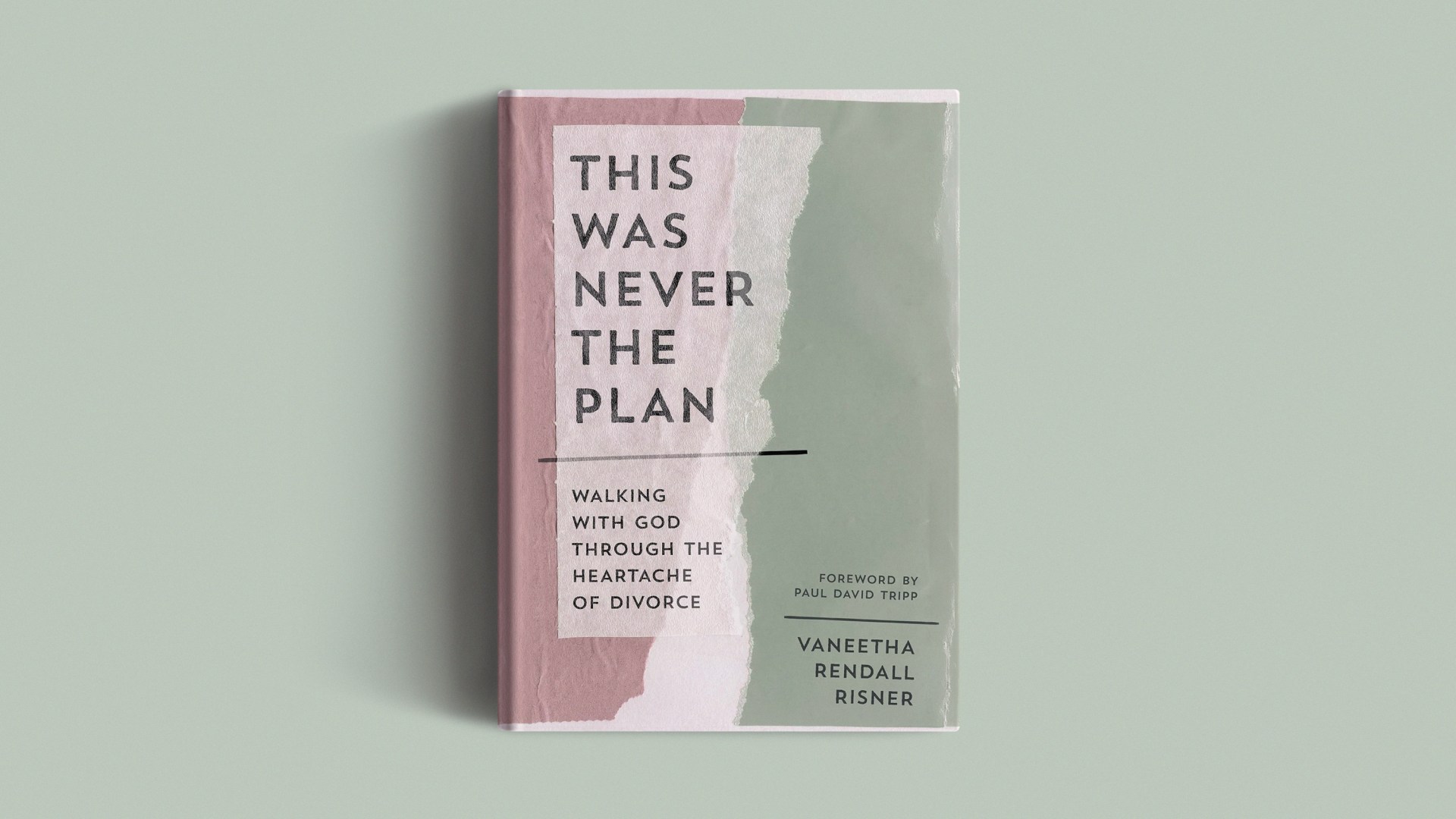
Vaneetha Rendall Risner is author of This Was Never the Plan: Walking with God Through the Heartache of Divorce. This article is a lightly edited excerpt from the book, published with permission from the Good Book Company.
Related