





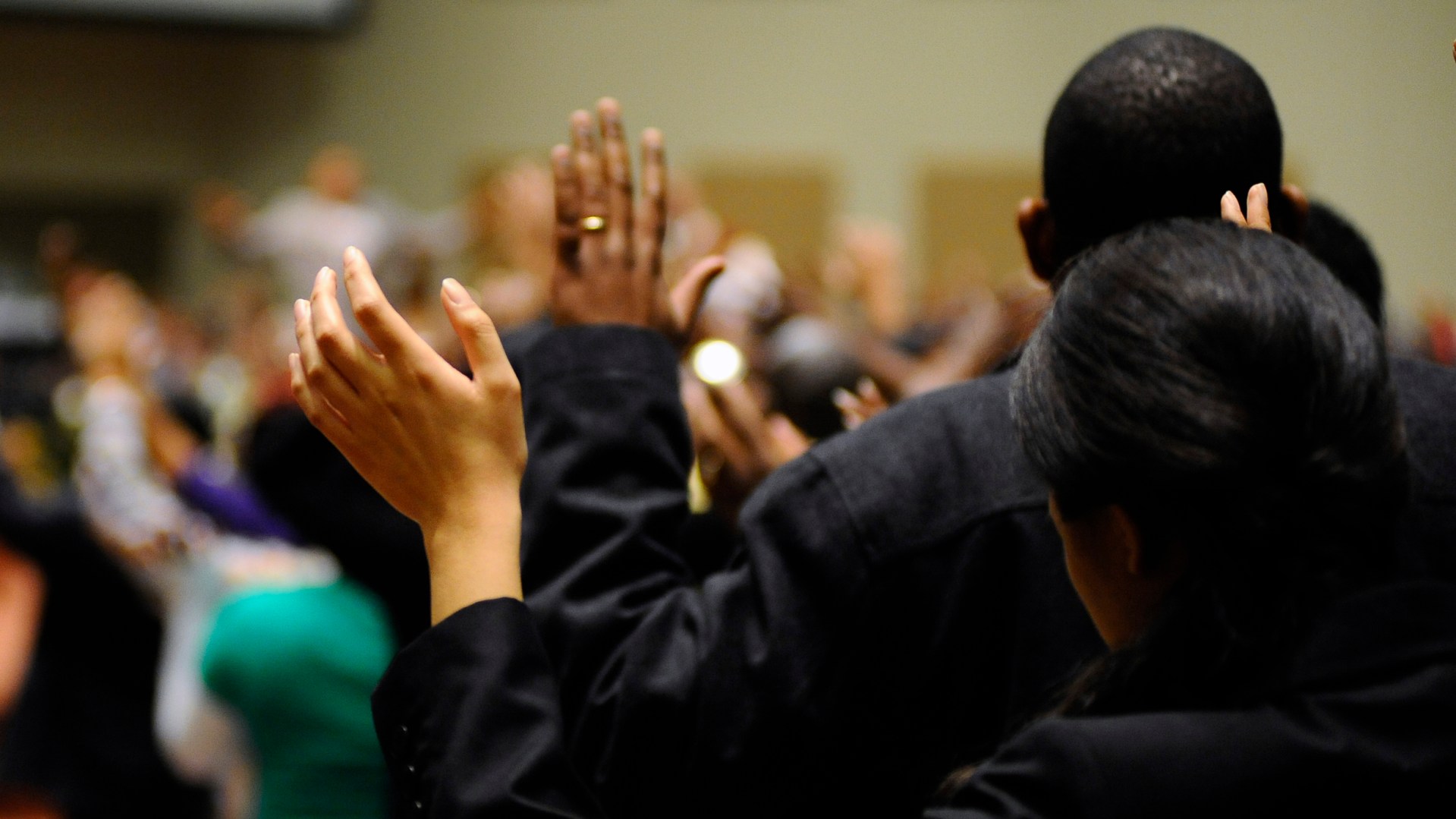
One can see the power of faith in black lives in places like Cleveland, where African American churches have remained—sometimes two or three to a block—even as the middle class and many businesses and predominantly white congregations moved away.
Now science is providing greater insight.
Several new studies build on past research to continue revealing how faith is associated with positive outcomes for black Americans amid the realities of discrimination and economic, political, and social inequality.
In one study of black adults, neither education nor income predicted a sense of optimism—a hopeful attitude about the future linked to better physical and mental health and lower mortality rates. What mattered most was belief in a loving, merciful God.
“It appears that the sense that one is loved and uplifted by God and the belief that one has received God’s forgiveness work in tandem” to promote hope as a critical and central theme in the faith of African Americans, researchers said in a special issue of the Race and Social Problems journal.
The studies in the special issue are among several recent works that generally indicate positive outcomes of religious involvement for black Americans.
Among the findings:
- Having each other’s back: Seven in 10 blacks who attended services at least once a year reported both giving and receiving support from their congregation, according to research analyzing data from the National Survey of American Life. Feeling close to congregation members and having frequent contact with them predicted greater reciprocal support. A separate study also found that church members appear to be “significant sources of informal social support for African Americans.” The most frequent form of assistance was care during illness, followed by meeting transportation needs, financial assistance, and help with chores.
- Overcoming discrimination: Black adolescents who experience discrimination are more likely to show signs of poorer mental health. But having church members listen to their concerns and help them feel loved and cared for was associated with a reduced risk of psychiatric disorders among black youth, one study found.
- Racism and alcohol use: There is a paradox in black alcohol use. Blacks, in general, are less likely to use alcohol than whites. But people who have experienced greater discrimination are more likely to be problem drinkers, according to research analyzing data from the National Survey of Black Workers. Religion was found to be a protective factor that appeared to help reduce the strong relationship between discrimination and problem drinking. “This finding is important,” researchers said. “Religion may improve mental health and protect against risky behaviors such as problem drinking by promoting healthy behaviors and providing social integration that buffers against stress, particularly racial discrimination.”
But not all aspects of religion have positive outcomes for black believers.
In the study finding a connection between optimism and belief in a loving God, researchers expressed concerns about the potentially damaging effects of religious messages that promote images of a punishing, judgmental God.
Faith-based interventions could do more psychological harm to individuals who feel that they are outside God’s grace and forgiveness, they noted.
And there are concerns blacks may be more likely to delay seeking medical attention by ceding too much responsibility to God for their health needs.
In a University of Chicago study of urban cancer patients, 61 percent of black participants said God was in control of their cancer; just 29 percent of whites agreed with the statement.
Many researchers call for increased cooperation among religious groups, health communities, and secular service agencies to both take advantage of the remarkable strengths of black faith and to address potential areas of concern.
For example, in one study of religion and depression, researchers concluded black religious leaders may be able to reduce the stigma associated with mental illness and help individuals enter into treatment sooner if they:
• Take an active role in addressing the issues. • Educate themselves and their congregations. • Establish relationships with mental health professionals.
David Briggs, a former national writer for the Associated Press who holds a master’s degree from Yale Divinity School, writes the Ahead of the Trend column on new developments in religion research for the Association of Religion Data Archives.







