On a September afternoon in an Egyptian city, cars and donkey carts navigate around pedestrians crossing the streets. Locals purchase cuts of meat from a carcass hanging by the road as a dog jumps on top of a parked car for a better view.
A quiet apartment on an adjacent side street provides a reprieve from the daily commotion. It also offers sanctuary for local Christians facing religious-based threats and violence. The apartment is among 20 safe houses Help for the Persecuted operates across the Middle East, North Africa, and Central Asia. Inside, Amira Butros shares over a glass of soda why she fled her home. Christianity Today agreed not to use the real names or locations of Butros and three other Egyptian Christians due to ongoing safety concerns.
Butros previously lived in a spacious two-floor apartment where members of the growing Sudanese refugee community gathered. She hosted a house church, provided English classes, and distributed blankets and other supplies. In early September, her Muslim neighbor broke into her home and physically assaulted her, her mother, and several of the visiting Sudanese, Butros said. Then the man alerted other neighbors and accused Butros of converting Muslims to Christianity.
Local authorities refused to file her complaint because she was a Christian, Butros said. She no longer felt safe in her apartment and contacted Help for the Persecuted to secure temporary lodging. She put her ministry work on hold.
Although Egypt’s Constitution protects religious freedom and criminalizes discrimination, the government seldom investigates acts of violence against Christians. Additional laws strictly limit freedom for religious minorities, creating a system of contradictions.
Religious freedom advocates around the world are urging Cairo to do better. Groups want the Egyptian government to remove individuals’ religions from their ID cards to prevent discrimination.
“We need to create a social movement that will bring greater freedom and religious liberty to the region,” said Shirin Taber, executive director of the US-based Empower Women Media (EWM), which mobilizes religious freedom advocates in the Middle East and Pakistan. “We feel that addressing things like the identity card—but also supporting businesses, artists, athletes, creatives, and content creators—will help advance the movement in the region.”
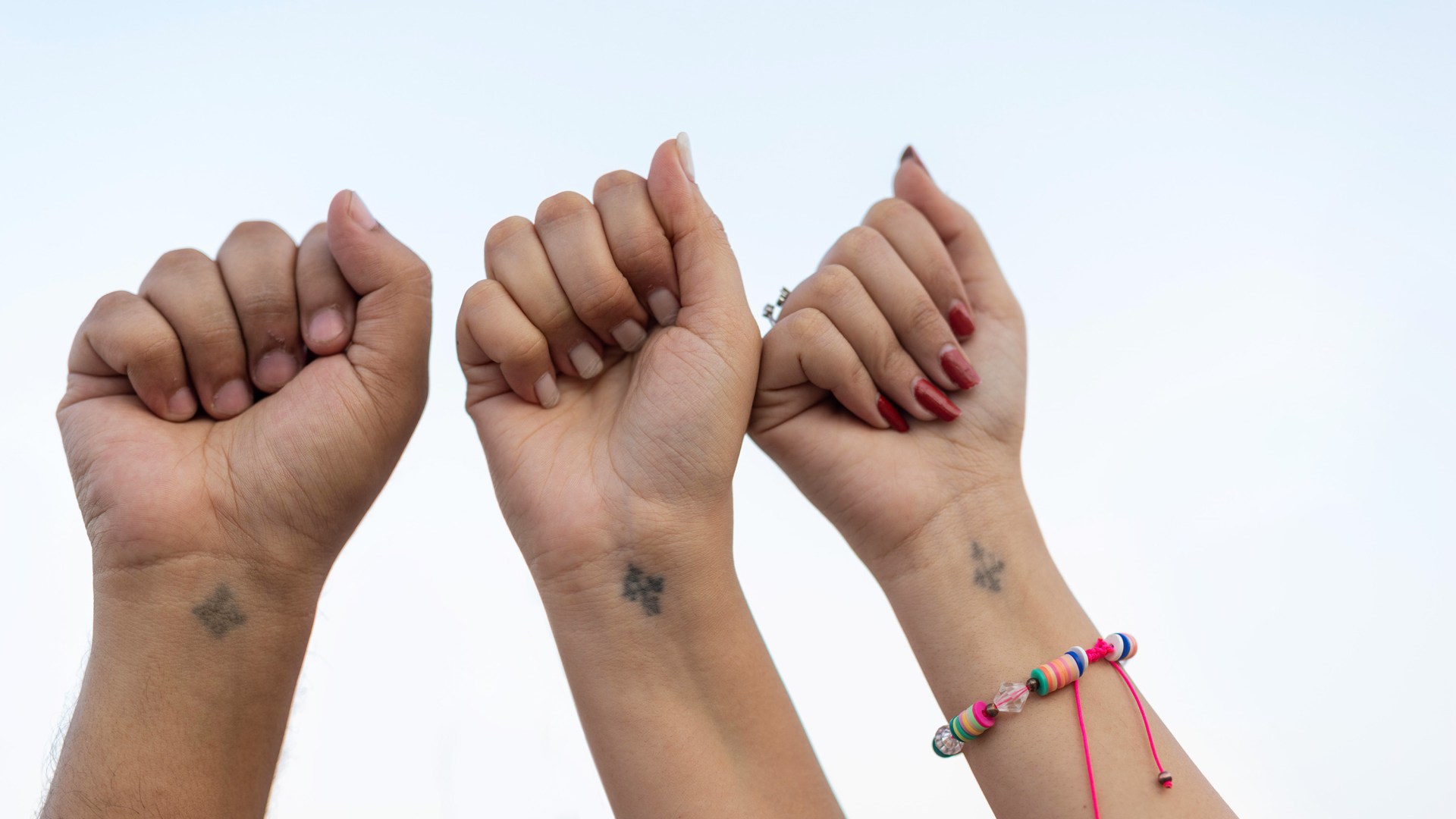
Egypt’s Christians number more than 10 million—at least 10 percent of the country’s 111 million people—making it the largest Christian community in the Middle East and North Africa. Over 90 percent of the Christian population is Coptic Orthodox, but the government also targets Protestants.
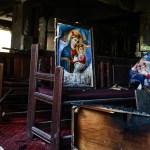
In October, a large Muslim mob attacked a Coptic Christian community in the Upper Egyptian town of Minya. Rumors of an 18-year-old Christian man dating a Muslim woman sparked the violence and led to the expulsion of the Christian family from the village.
Only weeks earlier, US representatives French Hill and Thomas Suozzi introduced a resolution asking the Egyptian government to grant Coptic Christians equal rights and prosecute those who commit crimes against Christians. “As the largest Christian community in the Middle East, the Copts have long endured systemic injustice,” Suozzi noted in a press release.
An Egyptian Christian ministry leader said converts to Christianity face some of the most significant challenges, and local authorities at times enable or encourage the persecution.
For instance, in 2021, Egyptian authorities jailed Abdulbaqi Saeed Abdo, originally from Yemen, for sharing his testimony on a Christian TV channel and participating in a social media group for Muslim-background believers. Authorities released him earlier this year after an international campaign. Now he and his family live in Canada.
When police discover that a member of a Muslim family is attending church, they ask the family and neighbors to pressure the new convert, the ministry leader said. The convert is often forced into hiding.
He added that church leaders can openly preach the gospel inside the church, but it’s illegal to proselytize or hold Christian events outside church grounds. It’s also illegal to change someone’s designated religion on a national ID card from Muslim to any other faith. Converts to Islam face no challenges making a change.
An Egyptian Christian businessman said authorities sometimes check ID cards at Christian conferences and prevent Muslim-background believers from entering due to their stated religion. “If we remove this from ID cards, it will give better opportunities for businesspeople, better opportunities for people to choose their faith, better opportunities for people to live their lives,” he said.
EWM recently launched a campaign to equip Egyptian leaders to advocate for changes to the country’s ID-card legislation. The organization released a report and video explaining the need for the initiative.
Every Egyptian over the age of 16 is required to have a national ID with one of the three recognized religions on it: Islam, Christianity, or Judaism. The card is necessary for many aspects of life, including enrolling in university, getting a job, traveling, and opening a bank account. In 2008, the government granted members of the Baha’i faith permission to leave the religion field empty on their ID cards.
Taber believes Christians and other religious minorities would experience greater freedom if the government lifted the ID-card requirement. “You’ll have a better chance of getting that job, getting enrolled in university, and your child being able to play on the soccer team,” she noted. “Women, youth, and minorities are discriminated against the most.”
Another Egyptian Christian expressed skepticism about the initiative. He doesn’t believe it will bring much benefit because “Egyptian society is highly interconnected” and names often reveal religious affiliation. Christians typically choose biblical names while Muslims draw names from Islamic tradition. Some names overlap.
Other Egyptians, including Sherif Azer, the director of programs at the Egyptian Commission for Rights and Freedoms, are more optimistic about the initiative’s potential impact. In a September policy brief addressing religious persecution, the Egyptian human rights activist listed ID-card reform among five recommendations for improving religious freedom.
In 2018, Azer criticized Cairo’s failure to pass a parliamentary bill that sought to remove the religion field from identification cards. “Whenever there’s a situation that requires showing your ID … you would be categorized right away,” Azer told Morning Star News.
Yet Taber said she sees “the winds of change blowing” across the region, especially among the business community and educated women. She cited Arab countries normalizing relations with Israel as an example of change “we only dreamed about in the past.” In May, EWM hosted a training in Cairo that educated 90 women about their religious liberties.
Taber’s Egyptian contacts tell her that President Abdel Fattah el-Sisi, who led the 2013 military coup against Islamist president Mohamed Morsi, is open to reform and has opened new churches and attended Christian services.
Yet Islamists and clerics at Al-Azhar, one of the world’s most influential Islamic institutions, frequently block attempts to change the legislation, Taber added.
Taber, an Iranian American Christian and author of Muslims Next Door, will explore these challenges at an EWM-sponsored summit in Malta in March with several senior-level Egyptians officials in attendance. She also plans to bring in members of the Coptic community to foster greater collaboration with Protestants and a more unified response to religious persecution.
Back at the Cairo safe house, Butros looks for a new place to resume her ministry work with Sudanese refugees, many of whom faced worse persecution in Sudan than in Egypt. “We create support for those who have experienced persecution,” Butros said through a translator. “It’s very important I continue my service with these people.”
Taber underscored the importance of addressing persecution while simultaneously doing evangelism, discipleship, and church planting. “If not, you’re just doing it all backwards,” Taber said. “Christ compels us, and he is the Prince of Peace and has given us everything we need to do the work.”