Sashko Radchuk hasn’t seen his mother for nearly four years.
One month into Russia’s full-scale invasion of Ukraine in 2022, a shell fragment struck the then-12-year-old’s left eye. His family lived in Mariupol—only 35 miles from the Russian border—and was unable to flee as Moscow’s troops advanced.
Radchuk ran inside his home, screaming in pain. His mother sought help from Ukrainian soldiers, who took them to a military hospital set up inside a metal factory. Doctors removed the shell fragment as Russian troops closed in, forcing them to remain at the makeshift medical clinic.
Two weeks later, Russian soldiers seized the factory and took Radchuk and his mother to a hangar in Bezymenne, a village in the Donetsk region, then to a camp for “filtration”—a brutal interrogation process Russia uses to determine who might pose a threat to Moscow’s war aims. Some Ukrainians undergo torture and forced deportation in these centers.
Radchuk remained in a tent while Russian officials interrogated his mother in a separate location for 90 minutes. Immediately after she returned, the Kremlin’s so-called child services arrived.
“They told me that they were taking me away from my mom, and they didn’t let me say goodbye to her or say anything,” Radchuk told Christianity Today through a translator. “They put me in the car and drove me away.”
Russian officials transferred Radchuk to two different hospitals to monitor his recovery and told him he would eventually be sent to a school or adopted into a Russian family.
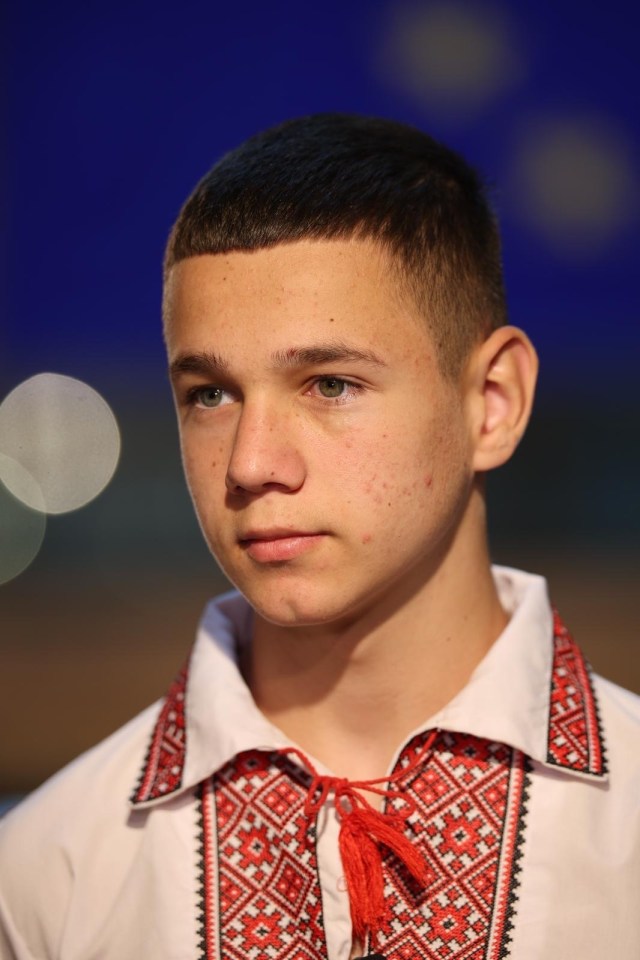 Courtesy of Bring Kids Back UA
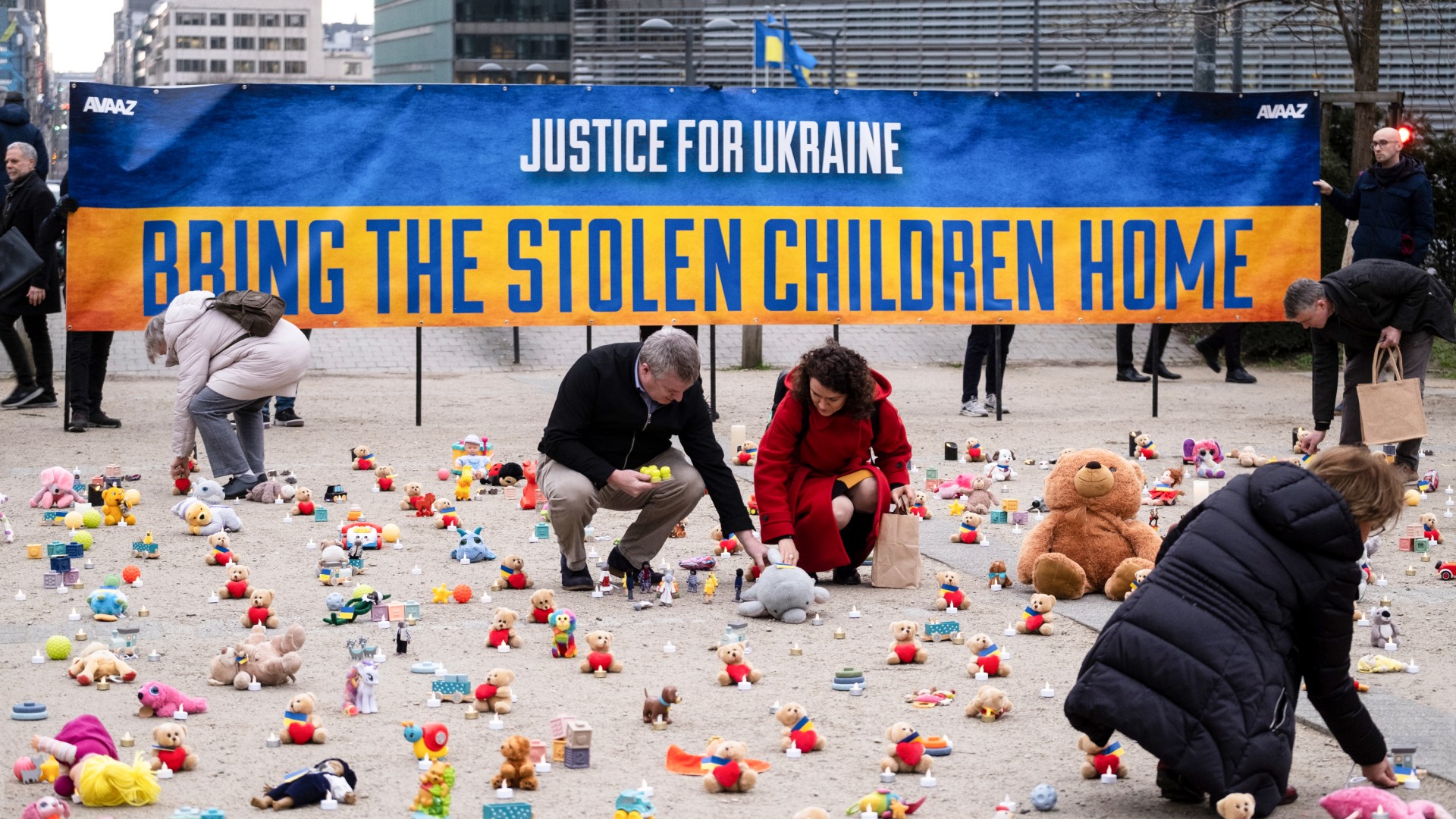
The Ukrainian government estimates Russia has taken nearly 20,000 Ukrainian children since the war began. The Kremlin places the number much higher—close to 700,000. Moscow insists these aren’t abductions, but humanitarian evacuations from war zones.
Mounting evidence, however, points to a coordinated effort to strip kids of their Ukrainian identity and move them to different cities, making them difficult to locate. Recent reports suggest some kids could be as far away as North Korea.
“By abducting children and forcing them to abandon their language, faith, and identity, the Kremlin is attempting to erase an entire people,” said Mykola Kuleba, an evangelical and founder of Save Ukraine, a Kyiv-based organization that has rescued 1,124 children.
Most children are placed in Russian reeducation facilities, while others are illegally adopted or sent to military schools. Some Ukrainian children are even sent to the battlefield to fight against their own country, according to the Institute for the Study of War. Kuleba believes the Kremlin’s ultimate goal is to “turn them into future soldiers.” If Russia’s crime goes unanswered, it risks normalizing the weaponization of children, he added.
Ukrainians are urgently advocating for the return of all abducted children, and Christians are deeply engaged at every stage, Kuleba said. “Faith-based networks help identify missing children, support rescue missions, and provide trusted contacts that make this work possible.”
Save Ukraine’s “underground railroad” is a tedious and expensive process, requiring months to secure original birth certificates and plan travel logistics. It’s often more difficult to extract kids from occupied Ukrainian territory than from Russia, said Daria Kasianova, chair of the Ukrainian Child Rights Network. Her Kyiv-based organization consolidates efforts to return and reintegrate Ukrainian children. Some missions require a trip through multiple countries and across western Russia to reach Ukrainian territory under the Kremlin’s occupation.
Kuleba said his organization has documented multiple consistent testimonies from rescued children who reported seeing Russian-controlled Telegram channels promoting the transfer of Ukrainian children to North Korea. Locals—including kids—are expected to follow the channels for information about schools and other community news, but they are also used to normalize and encourage participation in transfers to camps.
While the North Korea claims are difficult to independently verify, Kuleba said the consistency of the accounts suggests they are not simply rumors.
He is also aware of confirmed cases in which Ukrainian children have been sent to isolated regions in Russia, including the Kuril Islands—more than 5,000 miles east of Ukraine. Some abducted children believed they were going to summer camp but never returned home.
The longer the children remain in Russian hands, the more challenging rescue operations become, Kasianova said. Russian authorities sometimes change children’s names and dates of birth, making them hard to track, she added. The longer they are exposed to Russian indoctrination, the more difficult it becomes to convince them to return home.
“Children are really afraid to leave the territory because they heard terrible information about Ukraine,” Kasianova said. Her team employs psychologists to reassure them it is safe to return home. Some children who haven’t embraced Russian propaganda contact her organization directly on social media to ask for help.
Her organization has so far rescued 309 kids. In one case, a Russian soldier raped a 13-year-old girl during the invasion of Kherson. Her father, a Ukrainian soldier, had died weeks earlier and her mother wasn’t involved in her life. Russian social services sought to place the girl and her sister in a Russian institution or foster family, but Kasianova’s team was able to intervene just hours before the girls were to be sent away. They now live with their grandmother.
Save Ukraine also operates 20 education and empowerment centers based in local churches across 11 regions in Ukraine. The centers support rescued children and their families as well as others suffering from trauma and displacement.
These church-based spaces are often “where trust is rebuilt first and where families feel safe, welcomed, and not judged,” Kuleba said. “This is where the church is seen at its best: active, present, and deeply caring for children and families in crisis.”
Many of the rescued kids suffer from post-traumatic stress disorder that requires extensive therapy and reintegration programs.
In December, Kuleba testified before a US Senate hearing on Russia’s mass abduction of Ukrainian children. He was encouraged by the bipartisan concern over the plight of the abducted kids and hopes the US government will support the rescue, rehabilitation, and reintegration of Ukrainian children.
“Their willingness to stand with Ukraine’s stolen children reflects America’s moral leadership and our shared conviction that every child is made in the image of God,” he said.
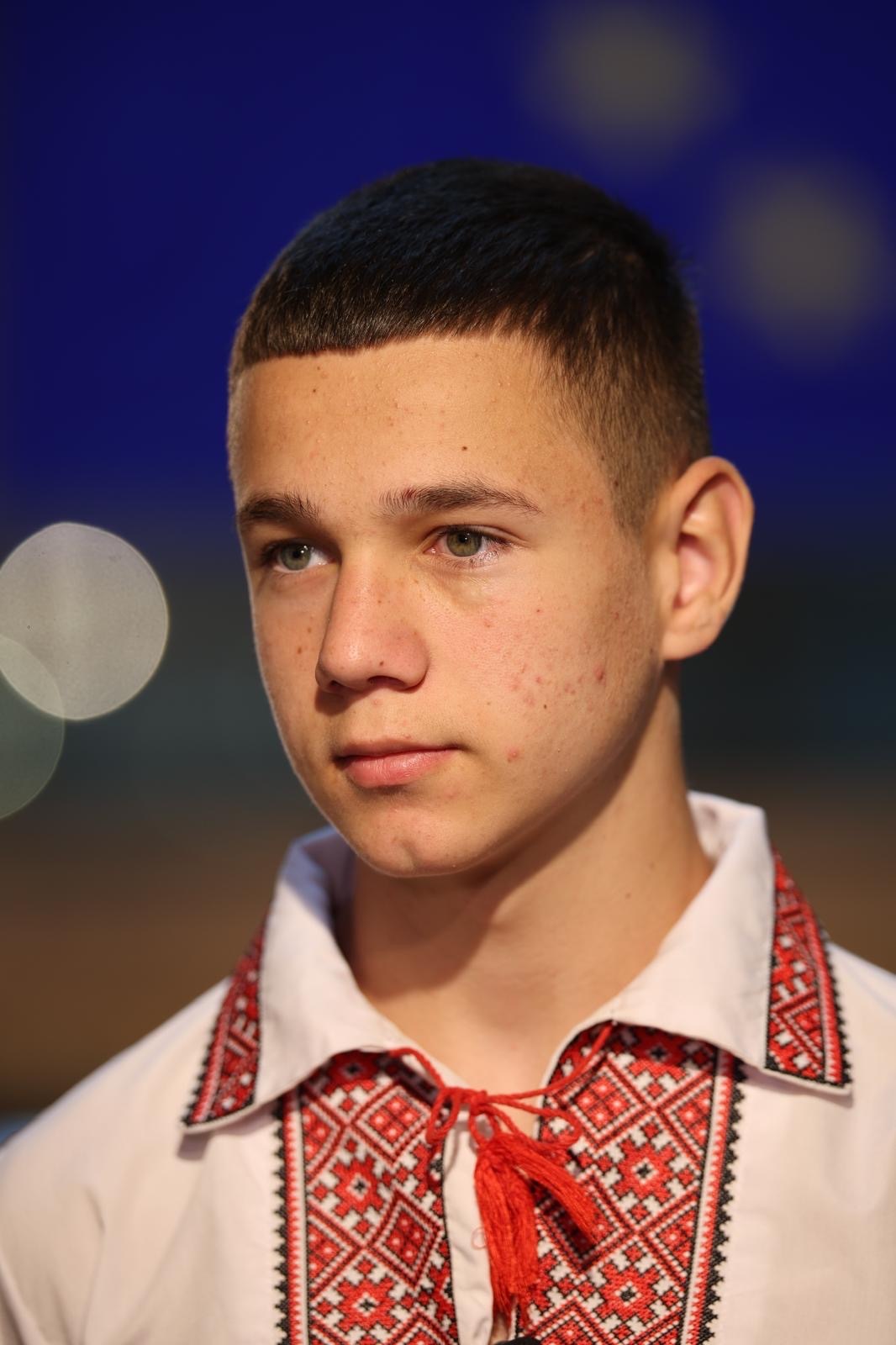
When Russian authorities took Radchuk to a hospital in Donetsk, he hoped his mother would soon follow. She never came. He couldn’t remember his grandmother’s phone number, and the hospital staff didn’t know how to help the desperate boy. One of the staff members posted his picture on social media, and Radchuk’s grandmother eventually encountered the post.
With the help of the Ukrainian Child Rights Network, his grandmother made a trip through Ukraine, Poland, Lithuania, Latvia, and Russia to reach Radchuk in occupied eastern Ukraine—two months after he was separated from his mom.
“It was a joy, but also I felt very proud for my grandma, because she traveled so many kilometers just to rescue me,” said Radchuk, now 15.
His mother is still missing—one of thousands of Ukrainians who have been victims of Russia’s enforced disappearances—so he currently lives with his grandmother.
He hopes ongoing peace negotiations will bring an end to the war and secure the return of missing Ukrainian children and adults. “I haven’t seen my mom in four years at this point, and it’s very difficult for me,” Radchuk said. “And there are many more children who haven’t seen their parents in a long time because of the war.”
Related