Today’s Briefing
Russell Moore responds to President Donald Trump’s recent threats to Iran and notes that warfare in the Old Testament doesn’t justify war crimes but points to the Cross.
Nigerian Christians hope for justice after the government arraigned nine men responsible for a massacre in Benue state last year that killed 150 people.
Writing is a human act, one that AI should not supplant, argues Nadya Williams.
What happens when the state punishes the parents of school shooters?
Behind the Story
From deputy editor Bonnie Kristian: Perhaps you saw the recent report about a New York Times article that was found to have been produced substantially with generative artificial intelligence. The author of the column told The Atlantic that she “hadn’t copied and pasted language from an AI model into her work” but had used at least five different AI programs for things like “help[ing] her stay on topic in a paragraph.”
This kind of AI use is increasingly accepted. At CT, we disagree. Our house style guide, which contains policies shaping all our journalism, has long been clear on this point: We do not write with AI.
What does that mean, concretely? I’m emailing more detailed guidance to our writers, but here are some highlights:
- CT writers may use AI as a souped-up search engine, provided they are extremely careful about checking its sources. That means personally verifying texts and claims every time by clicking through to the source link or independently searching.
- CT writers may use AI to transcribe interviews, videos, or dictations of their own ideas. But they must read through the transcripts themselves and manually verify accuracy, make selections to quote, or edit for concision and clarity.
- CT writers may not use AI in any aspect of the planning and writing process, including but not limited to pitching, outlining, arguing, or phrasing. Helping with all this is exactly the purpose of (human!) editors. Writers should ask us, not Claude.
- CT writers may not use Grammarly or similar AI copyediting programs, including Copilot in Microsoft Word. We have wonderful copy editors at CT, and writers are also welcome to continue using long-standing, pre-AI features like spell-check.
- If a writer files an article that we believe violates our AI use policy, we can and will cancel the commission. We recognize that programs purporting to detect AI-generated language are fallible, and we will always assume the best of our writers. We ask them to trust us in the work of crafting strong writing without artificial input.
For more on writing and AI, read today’s essay from editor and writing professor Nadya Williams.
In Other News
- An Israeli airstrike killed a Lebanese Christian party official known for his anti-Hezbollah stance in Beirut. His wife and a houseguest were also killed.
- Immigration and Customs Enforcement freed a US Army sergeant’s wife whom authorities detained last week after she arrived at a base in Louisiana to begin the process to receive spousal military benefits and get her green card. Annie Ramos, who was born in Honduras, is a Sunday school teacher and biochemistry major.
- A church in Virginia is donating $1 million to pay off outstanding balances for hundreds of households facing potential evictions.
Complimentary Estate Planning for You and Your Legacy
Today, you can ensure your legacy supports your loved ones and the ministries closest to your heart.
Christianity Today is partnering with PhilanthroCorp to offer complimentary will and estate planning services to you at no cost and with no obligation. You’re then free to implement your plan with your attorney or work with a referred attorney at a reduced rate.
Take a meaningful step toward protecting your legacy and extending your impact for years to come. Learn more.
Today in Christian History
April 9, 1761: English devotional writer William Law dies. His writings, such as A Serious Call to a Devout and Holy Life, greatly influenced George Whitefield and John Wesley though they later distanced themselves when Law wrote of the indwelling of Christ in the soul.
IN CASE YOU MISSED IT
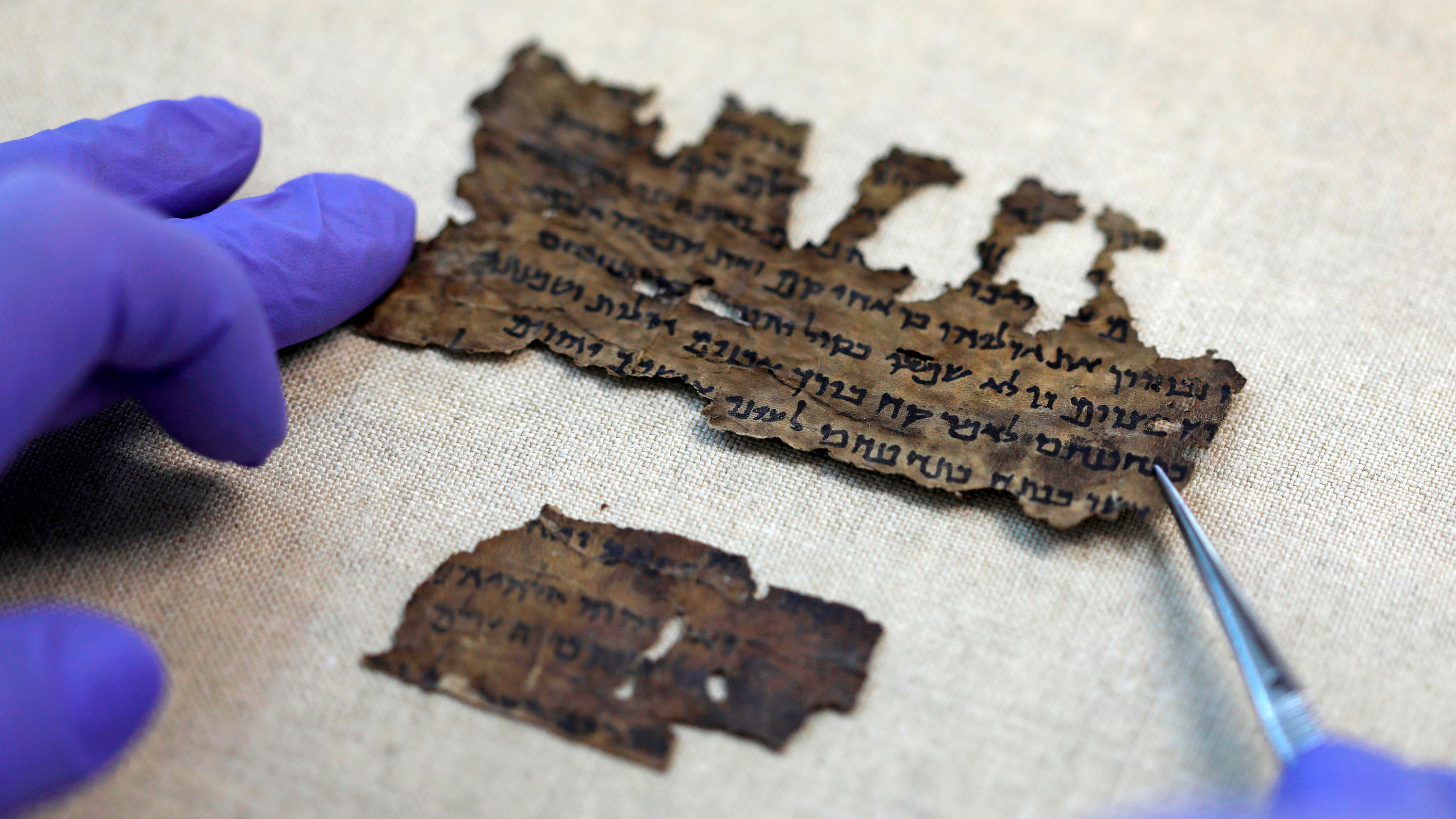
Most of the people who come to the Museum of the Bible in Washington, DC, to see the Dead Sea Scrolls can’t read the fragments that are on exhibit through…

Last month, a California judge ruled that Meta and Google had endangered a young woman by knowingly creating addictive features in their platforms. This landmark case opens the way for…

Pastors overwhelmingly view legal immigration positively but are more divided over the proper response to those who are in the United States illegally. Additionally, US Protestant pastors say they favor…

When Teena Smith drives her truck around Long Beach, California, she knows it comes at a cost. The Golden State has long been the luxury state when it comes to…
IN THE MAGAZINE

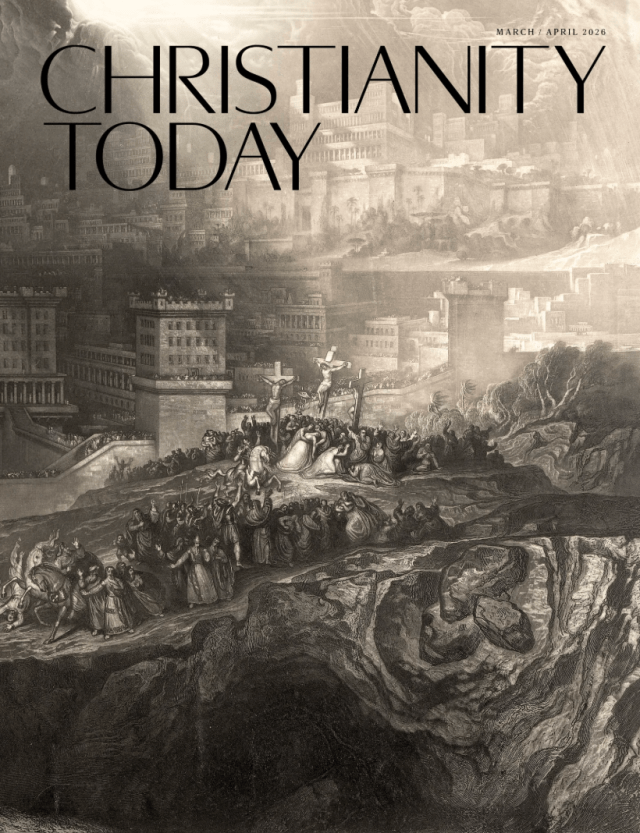
In this issue of Christianity Today and in this season of the Christian year, we explore the bookends of life: birth and death. You’ll read Karen Swallow Prior’s essay on childlessness and Kara Bettis Carvalho’s overview of reproductive technologies. Haleluya Hadero reports on artificially intelligent griefbots, and Kristy Etheridge discusses physician-assisted suicide. There is much work to be done to promote life. We talk with Fleming Rutledge about the Crucifixion, knowing that while suffering lasts for a season, Jesus has triumphed over death through his death. This Lenten and Easter season, may these words be a companion as you consider how you might bring life in the spaces you inhabit.
CT Daily Briefing
Get the most recent headlines and stories from Christianity Today delivered to your inbox daily.
Delivered free via email to subscribers daily. Sign up for this newsletter.
You are currently subscribed as no email found. Sign up for more newsletters like this. Manage your email preferences or unsubscribe.
Christianity Today is a 501(c)(3) nonprofit organization.
“Christianity Today” and “CT” are the registered trademarks of Christianity Today International.
Copyright ©2026 Christianity Today, PO Box 788, Wheaton, IL 60187-0788
All rights reserved.