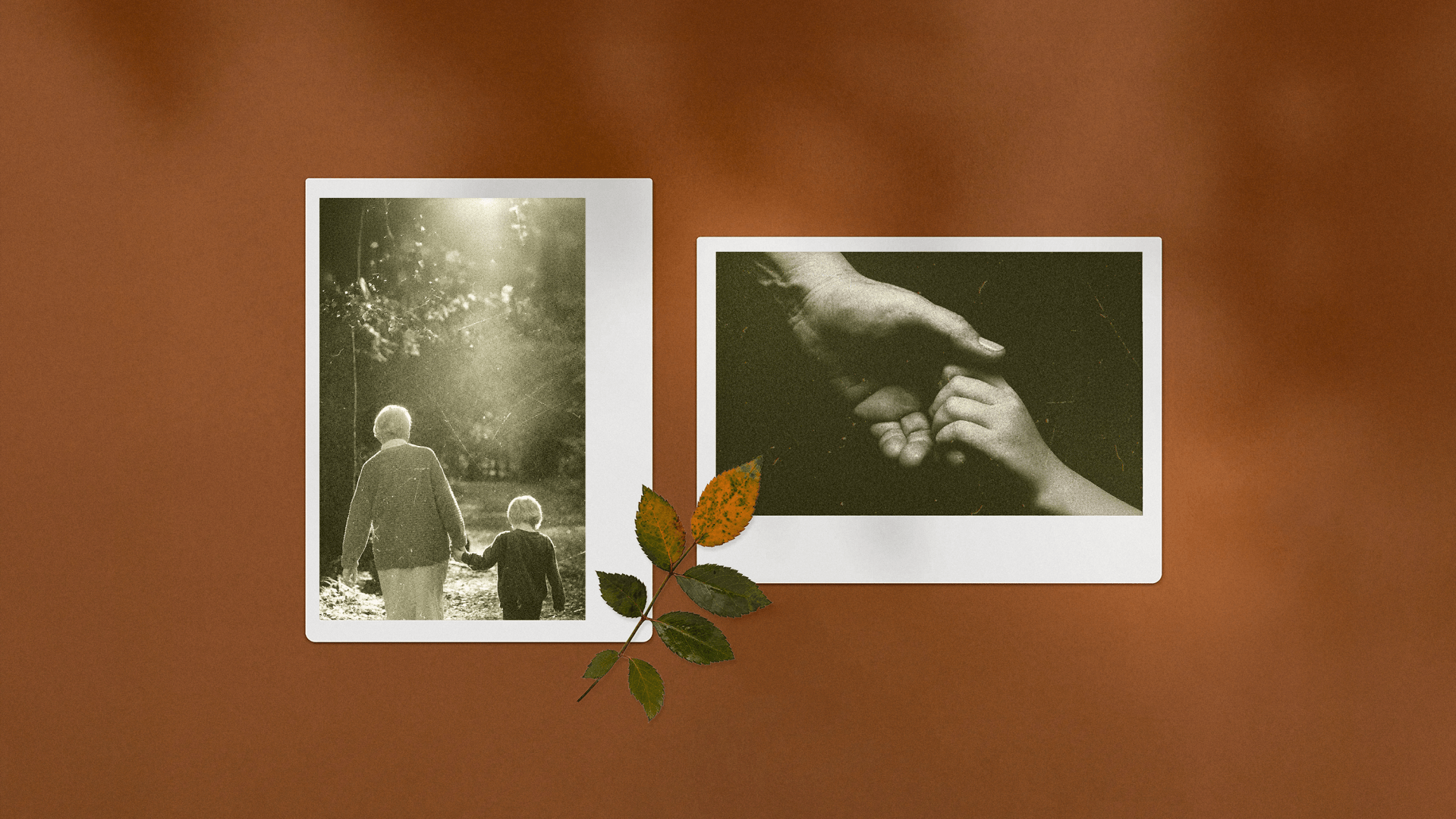
“The U.S. Isn’t Just Getting Older,” argued an article at the Harvard Business Review. “It’s Getting More Segregated by Age,” and “the extreme degree to which we’ve shunted young people into educational institutions, middle-aged adults into workplaces, and older people into retirement communities, senior centers, and nursing homes has come with costs.”
This is sometimes true inside the church as much as out. Children spend much of their time with peers, whisked away from the worship service to kids’ church or sent off to youth group while their parents do a Bible study. And even when different generations are physically together, not all adults feel comfortable—or permitted—to meaningfully engage kids who aren’t their own. Communal discipline is no longer the norm.
But our children need intergenerational relationships, and not only for healthy growth in social skills. This kind of fellowship is a beautiful reminder, as pastor Cameron S. Shaffer notes in Keeping Kids Christian, that the church is a place for all generations, together.
Shaffer writes of older men at his church who befriended his young son, regularly including him at their table at men’s Bible study gatherings. In my own family, child discipleship tends to happen in the church kitchen.
On Sundays when I have to be at church early for worship team practice, my 10-year-old comes along to visit with his friend, a retired gentleman who’s there brewing industrial-sized pots of coffee to awaken the saints. The same man regularly teaches my son’s Sunday school class. He listens to my son, laughs at his jokes, and teaches him dad jokes of his own.
related

Two grandmothers at our church put the kitchen to more formal use. They welcome the kids of the church for cooking lessons, sending out fancy paper invitations for “Cooking with Grammies,” always to be followed by a meal of whatever gets cooked. At the end of a recent lesson, a three-hour Mexican-food marathon with fried ice cream at the finish line, one child announced he did not want to be picked up.
These are practical occasions, of course. Coffee needs to be brewed, and it’s good for kids to learn the foundations of cooking, setting the table, and enjoying a meal rather than rushing through it. But more important is the genuine delight of being together among the children and elders alike. These church grandparents’ joy in my children is unrestrained and impossible to miss, and it is a true gift to have them discipling the younger generations to love God and the local church.
This is a deeply biblical model of discipleship. “Older men are to be sober-minded, dignified, self-controlled, sound in faith, in love, and in steadfastness,” Paul advises in Titus 2. “Older women likewise are to be reverent in behavior, not slanderers or slaves to much wine. They are to teach what is good” and so contribute to discipleship of the whole community (vv. 2–3 ESV).
This passage is most often applied to older men and women in the church mentoring the younger ones, people about the right age to be their children. That’s true, but our need for caring discipleship doesn’t begin in young adulthood. Already in childhood we need the wisdom and investment of our elders, those old enough to be our grandparents (or great-grandparents!) rather than our parents.


When I hear my daughter singing songs about Jesus that I never knew, I realize someone at church took the time to teach her. When my children hear stories from grandparents at church about their experiences of Christ over the course of many decades, I’m thankful they’re hearing the gospel in new ways. When my kids are welcomed to help steward our community by decorating the sanctuary for Christmas or cleaning up after an event, I see them take their place in the body of Christ alongside these older saints.
Paul’s description of good examples for the young is manifest in moments such as these. The older men show the young how to be thoughtful and self-controlled by modeling care of the church. The older women show my 7-year-old daughter how to worship God in song, deed, and delight for others all around.
We are a family of readers: of the Bible, theology books (the denser the better, for my husband), and much more. But alongside such intellectual study of God’s Word and world are these lessons church grandparents teach our children. They make visible the biblical vision of the church as God’s family (1 Thess. 4:10) and knit us together in a society that would shunt us apart.
Nadya Williams is a homeschool mom, a writer, an editor, and the interim director of the MFA in creative writing at Ashland University. She is the author of Cultural Christians in the Early Church and Christians Reading Classics and is books editor at Mere Orthodoxy.