Podcast

Quick To Listen

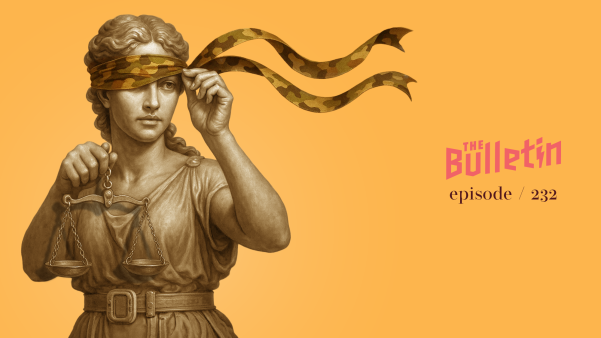
Does America’s History Justify Rigged Election Fears?

What the United States’ past suggests about cynicism towards voting, the economy, and the criminal justice system—and what seeking the common good looks like in this context.

Two weeks from today, Election Day will be over. But will we have a president?

Yes. Well, maybe not.

“I will tell you at the time. I’ll keep you in suspense,” GOP candidate Donald Trump said at the last presidential debate after the moderator asked if he would accept the election results.

Trump’s suspicion towards the system reflects the views of 4 in 10 Americans who agreed that the election could be “stolen” from him as a result of voter fraud.

This is but one area in which American democratic institutions have come into question. In recent years, law enforcement and the criminal justice system have been increasingly accused of racism and racial bias, while former Democratic presidential contender Bernie Sanders accused the country’s economy of being “rigged.”

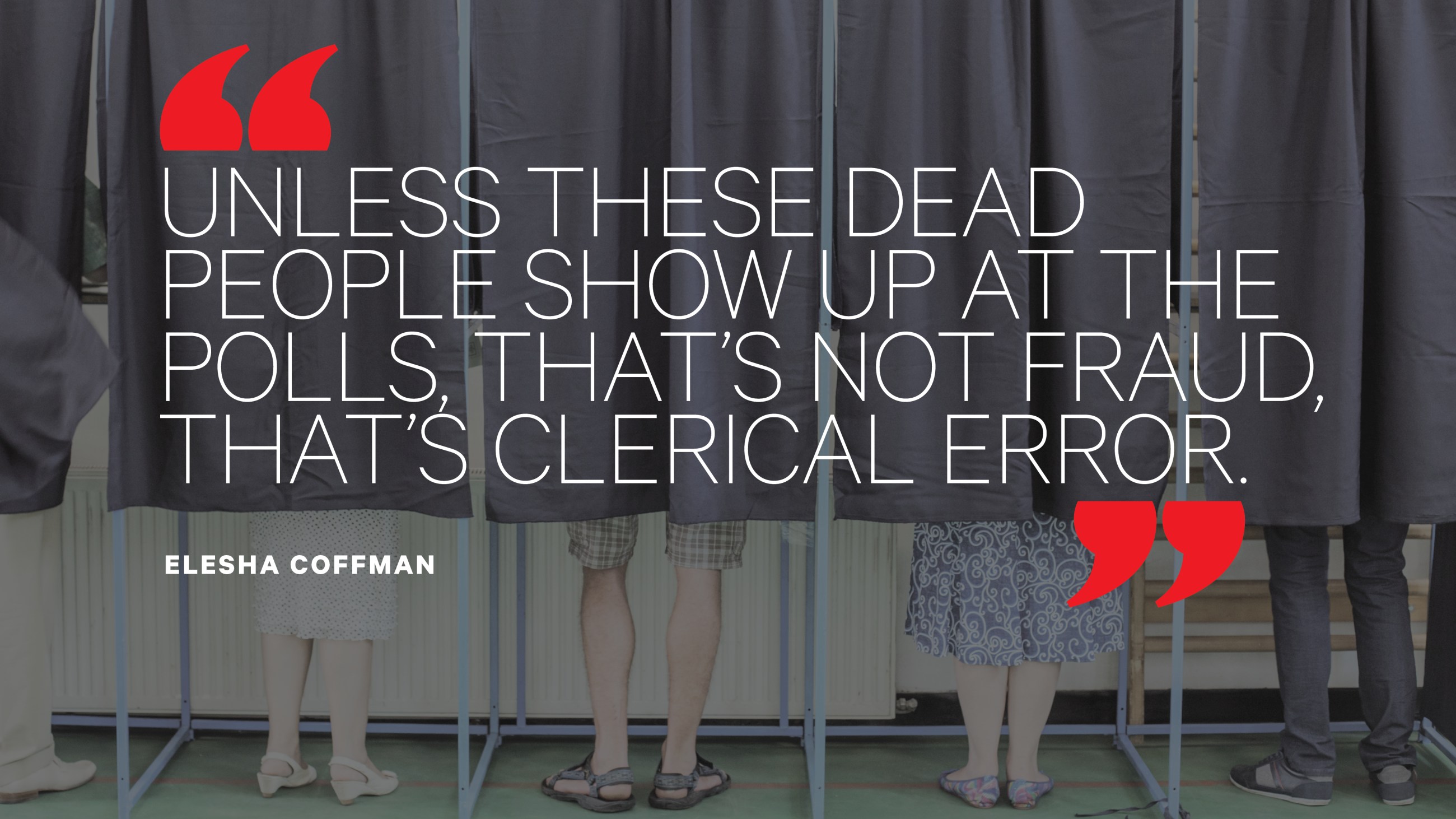
Some of the other rigged accusations may have merit, says Elesha Coffman, an assistant professor of history at Baylor University. But applying this term to the United States’ elections is “horrifying.”

“It is unprecedented to say, ‘I don’t know, I’ll keep you in suspense,’” said Coffman. “It was profoundly undemocratic and profoundly destabilizing, and you really wonder if and when Trump goes down … what all is he taking down with him.”

Coffman joins Mark and Morgan on Quick to Listen to discuss whether the Gilded Age should be seen as an aberration or norm, the problem with trying to use the criminal justice system to make a point, and whether gerrymandering leads to accusations of rigged elections.

What is “Quick to Listen”? Read more.

Follow the podcast on Facebook and Twitter.

You can follow our hosts on Twitter: Morgan Lee and Mark Galli

Quick to Listen is produced by Richard Clark and Cray Allred

Additional Reading

Religion in American History

Our Latest

News

Died: John M. Perkins, Who Lived and Preached Racial Reconciliation

The civil rights leader believed in a gospel bigger than race or self-interest.

Review

Decoding the Supreme Court

Three books to read this month on politics and public life.

The Bulletin

Cost of Iran War, Quiet Southern Border, and Anglican Church Split

Mike Cosper, Clarissa Moll, Russell Moore

The financial and moral toll of war, immigration slows but ministry continues, and why denominations split.

The Year of the Evangelical

America prepared for a bicentennial, and religious identity dominated the presidential campaign.

Q&A: Eric Mason on Ministering to Men and Witnessing in Politics

Interview by Benjamin Watson

The Philadelphia-based pastor discusses how the church can engage Black men and have a biblical approach to government.

Review

‘The Secret Agent’ Explores Memory and Authoritarianism in Brazil

Mariana Albuquerque

The Oscar-nominated film reminds viewers to learn from the past—and to share our stories with the next generation.

Jan Karon Looks Back on 89 Years of God’s Faithfulness

The author of the Mitford Years series married at 14, protested segregation, and wrote her first book at 57.

The Just Life with Benjamin Watson

Michel Lusakueno: Why the World Can’t Ignore Congo

Exploring the sobering connection between modern convenience and human suffering.

Apple PodcastsDown ArrowDown ArrowDown Arrowarrow_left_altLeft ArrowLeft ArrowRight ArrowRight ArrowRight Arrowarrow_up_altUp ArrowUp ArrowAvailable at Amazoncaret-downCloseCloseEmailEmailExpandExpandExternalExternalFacebookfacebook-squareGiftGiftGooglegoogleGoogle KeephamburgerInstagraminstagram-squareLinkLinklinkedin-squareListenListenListenChristianity TodayCT Creative Studio Logologo_orgMegaphoneMenuMenupausePinterestPlayPlayPocketPodcastprintRSSRSSSaveSaveSaveSearchSearchsearchSpotifyStitcherTelegramTable of ContentsTable of Contentstwitter-squareWhatsAppXYouTubeYouTube