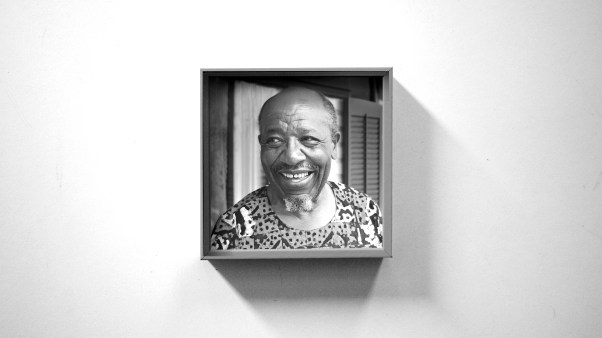
Augustine
354 Is born at Thagaste, on Nov l3
365 Goes to school in Madaura
371 Goes to study rhetoric in Carthage
c. 371–373 His father dies, son Adeodatus is born
375 Returns to Thagaste to teach rhetoric
376 Begins teaching rhetoric in Carthage
376 “Unnamed friend” who was baptized dies
383 Sails to Rome with concubine and son
384 Becomes professor of rhetoric in Milan
386 Is converted, retreats to Cassiciacum
387 Returns to Milan, is baptized by Ambrose; at Ostia, he and Monica have “vision,” Monica dies there
388 Goes to Rome
390 Returns to Carthage, then Thagaste; his son dies
391 Is ordained priest at Hippo
392 Writes to Jerome requesting Latin translations of Bible commentaries
392 Debates in Hippo with Fortunatus the Manichee
396 He becomes bishop of Hippo
c. 400 Writes his Confessions
c. 403–412 The Donatist controversy
410 For health reasons, spends winter at villa outside Hippo
412–421 Pelagian controversy
413–426 Writes The City of God, On the Trinity, and The Enchiridion
427 Writes his Retractions
430 Dies at Hippo, Aug 28
The Church
356 St. Anthony an early ascetic born 106 years earlier, dies
357 Athanasius writes the Life of St. Anthony
373 Athanasius, who was born in 296, dies
373 Ambrose becomes bishop of Milan
379 Basil of Caesarea dies
381 The Council of Constantinpole, or the second ecumenical council, is convened
386 The Manichees at Carthage are purged
389 Gregory of Nanzianzen, a theologian, dies
396 Simeon Stylites, later to become “Father of the Pillar Saints,” is born
396 Gregory of Nyssa, a theologian and mystic, dies
397 Ambrose, born in 339, dies
398 John Chrysostom, nine years before his death, becomes Patriarch of Constantinople
c. 400 Jerome translates the Bible into the Latin Vulgate
411 The Council of Carthage mends the Donatist schism
417 Pope Innocent I condemns the Pelagian heresy
419 Jerome the great theologian, translator, and historian, born in 342, dies
431 The Council of Ephesus, the third ecumenical council, convenes
The Roman Empire
350 The Huns invade Europe
350 Constantius II persecutes non-Arians
360 Books begin to supercede scrolls
361–363 Constantine’s nephew, Julian the Apostate, reigns as emperor
375 Valentinian I, the last great emperor in the West, who took control in 364, dies
378 Eastern emperor Valens is defeated by the Goths, dies at Adrianople
380 Theodosius I makes Christianity the state religion
383 Rome suffers a famine
384 Symmachus appeals for the re-recognition of paganism
391 A general edict aganinst paganism is issued, and Theodosius orders all pagan temples closed
395 Theodosius, who took the throne in 379, dies; the empire is redivided, and the Huns invade the eastern empire
402 The Goths are defeated in Italy
c. 404 Emperor Honorius abolishes man against-man gladiatorial contests
410 Roman rule in Britain ends, and Rome itself is sacked by Alaric and the Goths
418 The first schism between Rome and Constantinople occurs
421 A one-year war between Rome and Persia begins
429 The Vandals invade North Africa
430 The Vandals beseige Hippo
Copyright © 1987 by the author or Christianity Today/Christian History magazine. Click here for reprint information on Christian History.