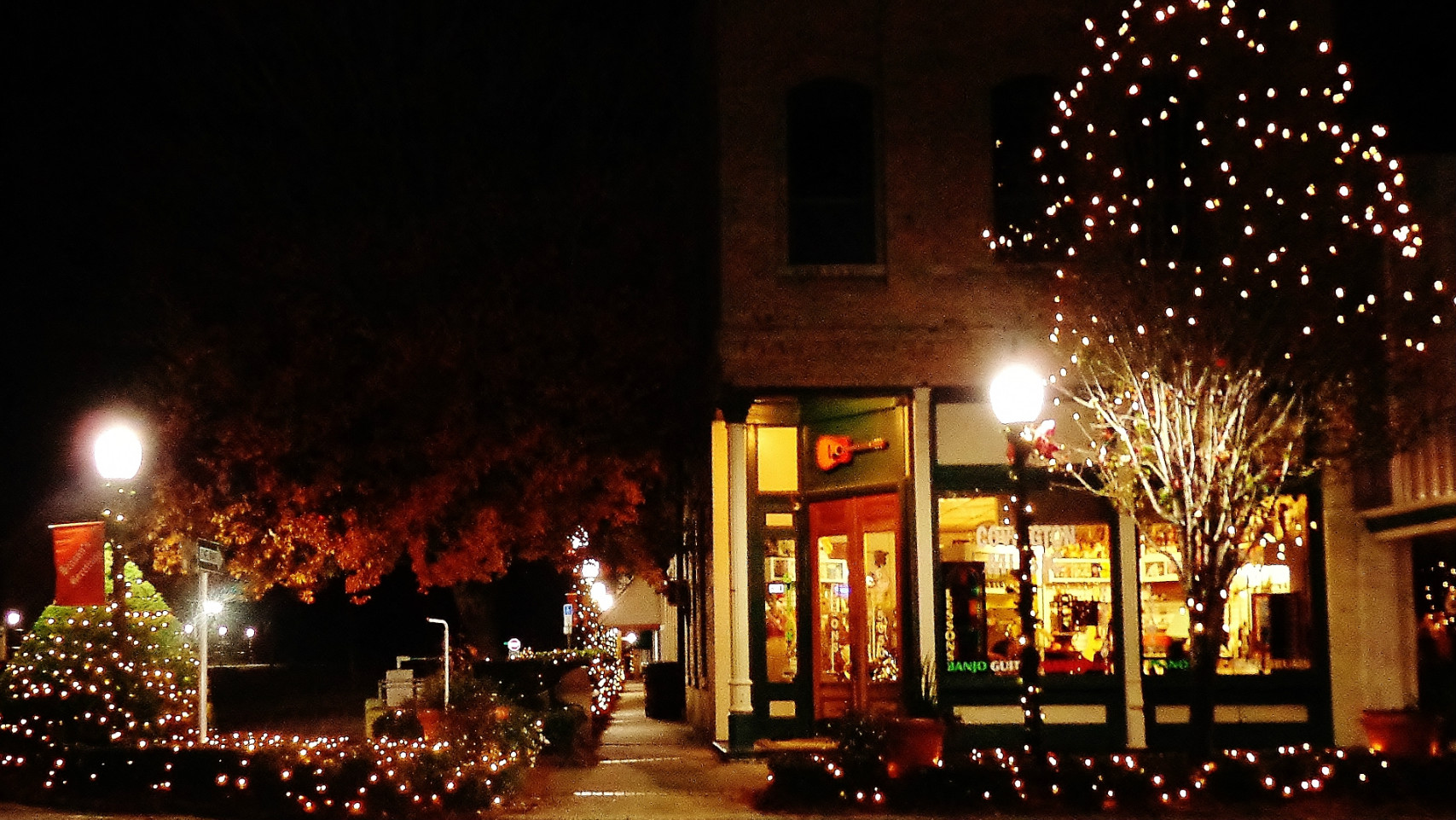
If retail promotions are any indication, Christmas begins as soon as the last bags of Halloween candy have been moved to the bargain bins. Our Christian ancestors, however, had other ideas.
The first church official to propose special activities for the pre-Christmas period was Perpetuus, bishop of Tours, in 490. To help his flock prepare for the holiday, he advocated fasting every Monday, Wednesday, and Friday from Martinmas (November 11) to Christmas Eve. This practice, which mirrored Lent, spread slowly throughout France, Spain, and Germany. Then it crashed into Rome.
Roman attention to the Advent season trailed Perpetuus by about 100 years, and it took a radically different tone. While much of Western Europe, and at least portions of the Christian East, fasted, Roman Christians celebrated. Perhaps it seemed odd to them to approach Christ's birth as somberly as they did his death. By the eleventh century, though, Rome had come around, and Advent meant no feasts, no recreational travel, no marital relations, and no weddings. (These prohibitions were dropped in recent centuries.)
Sometime in all of this, the start date for Western Advent slid back two weeks, to the Sunday closest to St. Andrew's Day (November 30). As a result, Advent can last anywhere from 22 to 28 days, though for the sake of year-to-year consistency, Advent calendars start with December 1. Yet not everyone kicks off the Christmas season at the same time or in the same way.
In the Orthodox church, Advent still includes fasting, and in most places it lasts from November 15 to December 24. The Armenian Orthodox church is an exception; its members fast for three of the seven weeks between November 15 (St. Philip's Day) and January 6 (Epiphany).
St. Barbara's Day, December 4, signals the beginning of the Christmas season in Syria, Lebanon, and parts of France and Germany. Some Middle Eastern customs for the day resemble American Halloween-children dress up in frightening costumes and go door-to-door collecting candy and other small gifts. This activity has no relationship to the story of St. Barbara, which states that her father locked her in a tower, killed her for her Christian faith, and was then struck by lightning. Not that it matters; historians now doubt that St. Barbara even existed.
St. Nicholas's Day, December 6, inaugurates the Christmas festivities in Austria, Belgium, Czech Republic, the Netherlands, and parts of Germany. On the night of December 5, St. Nicholas—accompanied by helpers with black faces—brings gifts for good children, who set out shoes or stockings for him to fill. The Dutch make the biggest production of Nick's arrival, gathering to watch his ship land in Amsterdam, then seeing him off on his flying, white horse. Obviously, a lot of this pageantry crossed over to America, except that our St. Nicholas arrives via the Macy's Thanksgiving Day Parade and doesn't deliver his gifts until December 24.
Swedes wait until St. Lucy's Day, December 13, to commence Christmas observances. Lucy, who supposedly died in Italy in 304, became a Scandinavian favorite when that region converted to Christianity, beginning in about the eleventh century. Lucy's name comes from the Latin word for "light," but, before sixteenth-century calendar reforms, her feast day fell on December 21-the shortest day of the year. Scandinavians were pretty desperate for light around that time, so they latched onto Lucy. Her annual remembrance involves a girl from each household wearing a wreath of lingonberry leaves and lit candles on her head and making an early breakfast for the family.
Strange or silly as some of these customs might seem, I'd rather have my calendar structured around cultural traditions than around corporate budget forecasts. I don't care how much retailers are worried about fourth-quarter earnings. If they play Christmas music before Thanksgiving, they won't get my money.
Information for this article was adapted from the Encyclopedia of Christmas, by Tanya Gulevich (Omnigraphics, 2000).