The Mineral Night / A Child in the Likeness of God

A Child in the Likeness of God

How did it start? I gave a man some bread;
He was hungry, that's all I knew of him.
Surely no one saw me give him the bread.
Some other men came then; they wanted me
To tell them names. All day they shocked my flesh.
The next they hung me like a side of meat,
My toes grazing the floor mat as I swung
Like a terribly slow pendulum weight,
Hours tugging, unsocketing my arms.
The next day there was less inventiveness,
Long beatings with a rod on back and thighs.
I couldn't stand. At night, the officers …
After that I was no longer virgin,
Though I was only seventeen years old
And never married, never knew a man—
The blood made streaks that dried against my skin.

I found no light on my Damascus road;
I gave them what they wanted, and I died.

The Mineral Night

On Whitacre's version of
"Stopping by Woods on a Snowy Evening"

Listening to an old, worn poem,
So familiar it's been
Rubbed clean of every charm.
But now it is sung, and the night

Is borne by xylem and phloem
Back to its source, and dim
Forest and lake mean harm
As before: not one twig is trite.

—Marly Youmans

Copyright © 2014 by the author or Christianity Today/Books & Culture magazine. Click here for reprint information on Books & Culture.


Also in this issue

Books & Culture was a bimonthly review that engaged the contemporary world from a Christian perspective. Every issue of Books & Culture contained in-depth reviews of books that merit critical attention, as well as shorter notices of significant new titles. It was published six times a year by Christianity Today from 1995 to 2016.

Our Latest

Just War Theory Is Supposed to Be Frustrating

The venerable theological tradition makes war slower, riskier, costlier, and less efficient—and that’s the point.

The Russell Moore Show

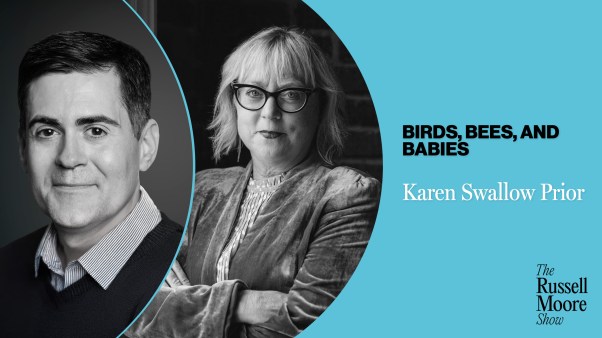
Karen Swallow Prior on Birds, Bees, and Babies

How should the church address infertility and childlessness?

Attempts at Cultural Crossover

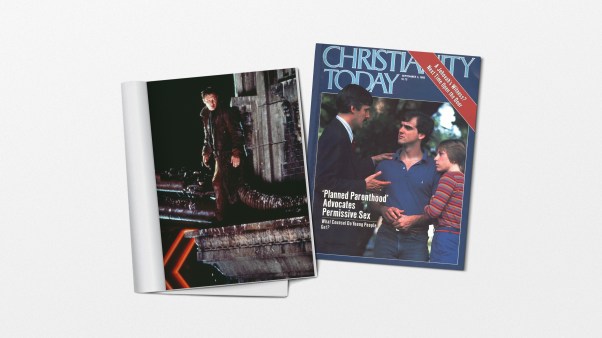
From Pat Robertson’s soap opera to creation science, CT reported evangelical efforts to go mainstream in 1982.

Wire Story

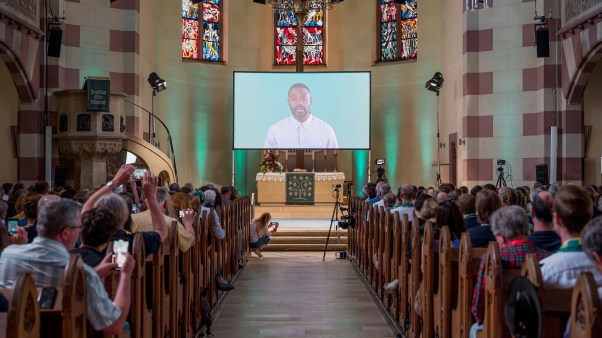
Young, Educated, and Urban Pastors Are Most Likely to Use AI

Aaron Earls - Lifeway Research

A survey found denominational differences in pastors’ use of the technology, as well as widespread skepticism about its reliability.

Excerpt

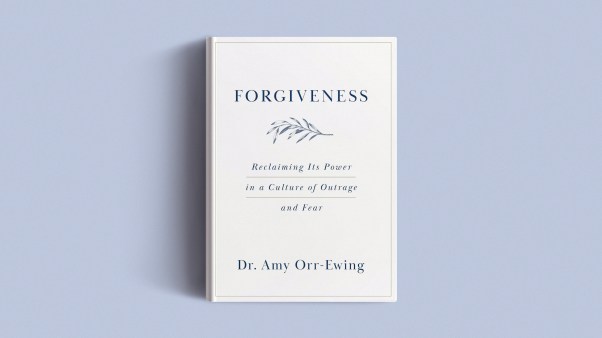
Forgiveness Can Help Us Recover from Trauma

Amy Orr-Ewing

An excerpt from Forgiveness: Reclaiming its Power in a Culture of Fear.

Our Desires Need Discipline, Not the Ease of AI

Jay Stringer

In a world fleeing the body, Christianity teaches us how to form our desires.

The Bulletin

Israel-Lebanon Ceasefire; Trump’s Big, Beautiful Ballroom; and the Strait of Hormuz

Clarissa Moll, Jill Nelson

Israel and Lebanon agree to ceasefire, court approves Trump’s $400 million ballroom, and the Strait of Hormuz affects the world.

From Our Community

‘I Want to Give Where the Voice of Truth Is Loud’

Anne Kerhoulas

Sandra Anderson trusts Christianity Today to navigate cultural challenges—and invests to ensure its voice continues.

addApple PodcastsDown ArrowDown ArrowDown Arrowarrow_left_altLeft ArrowLeft ArrowRight ArrowRight ArrowRight Arrowarrow_up_altUp ArrowUp ArrowAvailable at Amazoncaret-downCloseCloseellipseEmailEmailExpandExpandExternalExternalFacebookfacebook-squarefolderGiftGiftGooglegoogleGoogle KeephamburgerInstagraminstagram-squareLinkLinklinkedin-squareListenListenListenChristianity TodayCT Creative Studio Logologo_orgMegaphoneMenuMenupausePinterestPlayPlayPocketPodcastprintremoveRSSRSSSaveSavesaveSearchSearchsearchSpotifyStitcherTelegramTable of ContentsTable of Contentstwitter-squareWhatsAppXYouTubeYouTube