Books

New & Noteworthy Fiction

Refugees at the Canadian border, a father’s fervent hope for forgiveness, and school segregation in 21st century America.

The Boat People

Sharon Bala (Doubleday)

This powerful and timely debut is based on an actual 2010 incident. When a cargo ship docks in a Canadian port carrying 500 Sri Lankan refugees, the passengers believe their ordeal is over, trusting in Canada’s reputation for “being a soft touch.” But government officials, fearing the ship harbors members of a terrorist cell, resolve to detain the passengers until investigators can ensure they present no threat. Bala weaves together the stories of a refugee, his lawyer, and an inexperienced adjudicator to explore the difficult decisions at the intersection of compassionate ideals and political reality—and the consequences for all involved.

No One Ever Asked

Katie Ganshert (WaterBrook)

Thunderstruck by an episode of This American Life about segregation in today’s schools, Ganshert set aside the project she was working on to write this story. When a failing school district loses its accreditation, the affluent neighboring district reluctantly admits the bused students as the law requires. “This isn’t about race,” the PTA chair proclaims at the town meeting, but it’s undeniable that the bused students are mostly black and brown, and the students at their new school mostly white. Weaving together fact and fiction, Ganshert portrays three very different women, connected by the same classroom full of eight-year-olds, whose lives are changed by the challenges and revelations of the groundbreaking school year.

A Place for Us

Fatima Farheen Mirza (Hogarth)

Mirza’s story about an Indian-American Muslim family opens with a celebration, but not all is well: The bride scans the crowd for her prodigal brother, hoping he’ll appear despite being estranged from the family for years. Through a series of flashbacks, Mirza examines the series of small betrayals that splintered the family, skillfully imbuing quotidian events—a chance meeting at a party, a dinner conversation about a spelling test—with deep significance. Despite their smallness, they have irrevocably altered the course of the family’s life. A powerful meditation on faith and family, love and loss, and a father’s fervent hope for forgiveness.


Also in this issue

Our cover story this month is an examination of how suffering affects our personal view of God. It's arguably the biggest question humans ask of faith. And data suggest that the problem of evil is increasingly cited as the chief reason for abandoning faith. Given such circumstances, CT adds a voice to the small but growing body of research on tragedy, spiritual resilience, and how the church can better minister in the midst and in the aftermath of tragedy.

Our Latest

The Bulletin

Attitudes Toward Israel, Kash Patel’s Lawsuit, and John Mark Comer’s Fame

Clarissa Moll, Russell Moore

Americans’ growing frustrations with Israel, Kash Patel sues The Atlantic for $250 million, and the popularity of John Mark Comer.

News

How a Kidnapping Changed a Theologian’s Mind

Interview by Emmanuel Nwachukwu

An interview with Sunday Bobai Agang about the lessons he learned from his abduction last month.

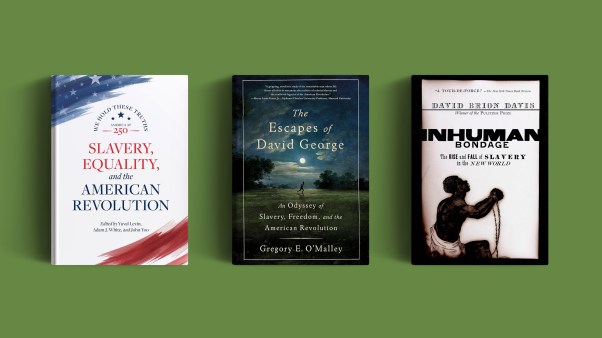
On America’s 250th, Remember Liberty Denied

Thomas S. Kidd

Three history books on the US slave trade.

News

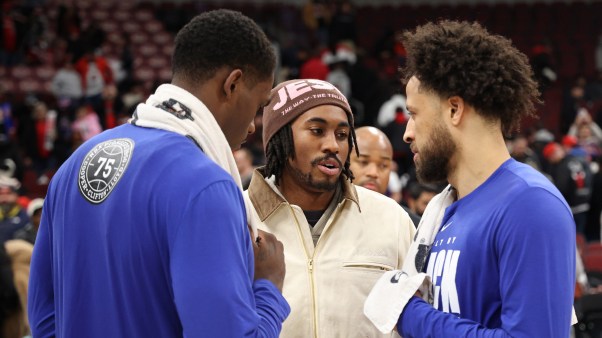
What Christian Athletes Can’t Do

An NBA player’s fall resurrects an old anxiety: When does talking about faith become “detrimental conduct”?

News

Facing Arrest, Cuban Christian Influencers Continue Call for Freedom

Hannah Herrera

Young people are using social media to spread the gospel and denounce the Communist regime.

Public Theology Project

Against the Casinofication of the Church

The Atlantic’s McKay Coppins told me about problems that feel eerily similar to what I see in the church.

Wire Story

The Religion Gender Gap Among the Young Is Disappearing

Bob Smietana - Religion News Service

Women still dominate church pews, but studies find that devotion among Gen Z women has cooled to levels on par with Gen Z men.

Just War Theory Is Supposed to Be Frustrating

The venerable theological tradition makes war slower, riskier, costlier, and less efficient—and that’s the point.

addApple PodcastsDown ArrowDown ArrowDown Arrowarrow_left_altLeft ArrowLeft ArrowRight ArrowRight ArrowRight Arrowarrow_up_altUp ArrowUp ArrowAvailable at Amazoncaret-downCloseCloseellipseEmailEmailExpandExpandExternalExternalFacebookfacebook-squarefolderGiftGiftGooglegoogleGoogle KeephamburgerInstagraminstagram-squareLinkLinklinkedin-squareListenListenListenChristianity TodayCT Creative Studio Logologo_orgMegaphoneMenuMenupausePinterestPlayPlayPocketPodcastprintremoveRSSRSSSaveSavesaveSearchSearchsearchSpotifyStitcherTelegramTable of ContentsTable of Contentstwitter-squareWhatsAppXYouTubeYouTube