In this series



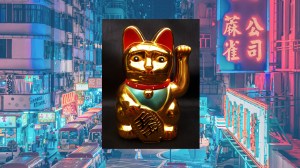


Fatalistic thinking in South Korea mainly comes from Korean shamanism or “Mu-ism.” Korea has had dynasties where Buddhism (the Goryo period) and Confucianism (the Chosun era) dominated, but shamanism is more syncretistically residual. Today, couples go to tarot readers, palm readers, or fate readers to see if they’re a fit or a good match. Even people who go to church are culturally affected or entertain this aspect of “fate.” This is done recreationally and is not a negatively fatalistic practice, even though it’s not something that is recommended or exclusive to South Korea.
Instead of the doctrine of providence, where a triune God who is Creator is also sustainer and is intimately involved in history, Koreans like looking at oon sae (운세), which is figuring out your luck based on your palm or your birthday. Ultimately, this practice connects to fatalism because it involves a belief that there is a locked-in future (i.e., fate) that needs to be discerned, as opposed to the one, true living God guiding us in our lives.
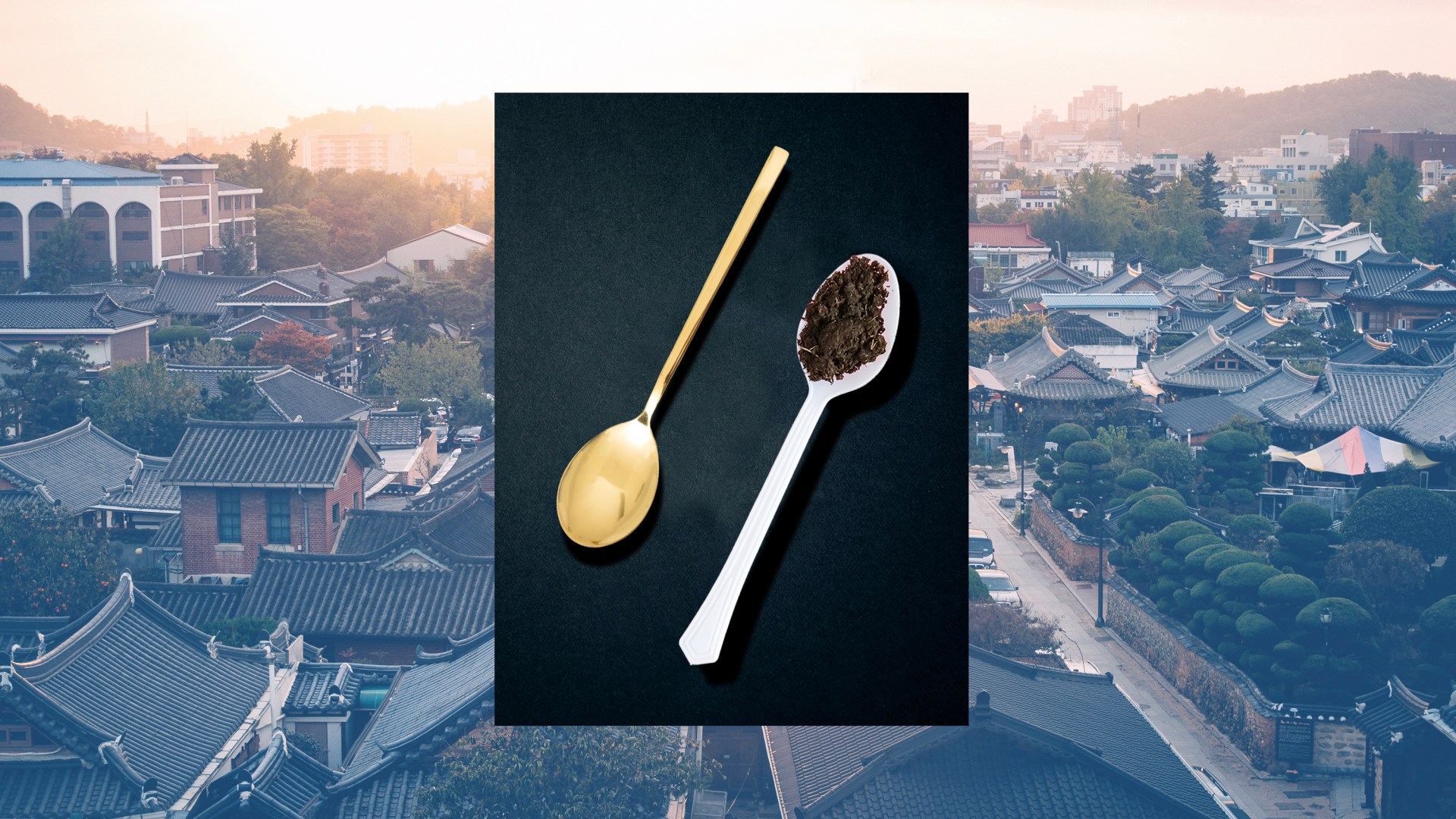
Another way fatalistic attitudes show up is through the phrases gold spoon (금수저) and dirt spoon (흙수저). This refers to the generational influence that one has in the family lineage. To be a gold spoon means that you have come from a very wealthy family in South Korea’s modern context and that you are “good to go” in terms of making it in society. To be a dirt spoon is to come from a family where it is really hard to succeed. In this sense, it’s supposedly guaranteed that you will have a better life if you are the gold spoon as opposed to the dirt spoon.
On suffering and natural disasters, the theology here is very rigidly conservative. In the Itaewon crowd-crush incident, where more than 100 people died, a good number of churches taught that God was punishing people who were there celebrating Halloween. This is an erroneous one-to-one theology: It doesn’t account for Luke 13:1–5 in the sense that there is an overarching groaning and brokenness of the world because of the consequences of sin. That’s more a function of a lack of theology than a positive mixing of fatalism.
On the whole, where fatalism impacts the country most is in terms of South Korea’s economic state and a person’s movability up the social ladder. That’s where the common phrase hell Chosun (헬조선) comes from: People want to leave Korea because it’s so hard and competitive to get a job and live a certain standard of life that they dream of.
People’s hearts are fatalistic in the sense that they feel like there is no positive end possible and that they have no ability to choose their future, which is predetermined. There’s a general sense that there is no hope. Added to that is a huge concern over South Korea’s low fertility rate of 0.78—the lowest in the world. Pastors typically address this issue from a social phenomenon angle, in that it is something to be rectified in the statistics rather than something that also stems from the people’s hearts.
Fatalism in the young generation inside and outside the church thus appears most apparently in housing-market statistics (where homes have incredibly high prices) and the country’s low fertility rate. It comes out in behaviors like envy and competitiveness. Pastors typically address these from a traditional Christian ethical perspective, but whether there are pastors who address them with the contextual savvy specific to the young generation is doubtful. There is growing attention in the Korean church for next-generation ministry, but the methodology and theology that undergird this is nebulous at this point.
Nevertheless, to distinguish fatalism from predestination, Ephesians 2 says that there is a hope and that it is not just random fate at work but God who is guiding us. The basic gospel message of grace and what Christ did is something that needs to be addressed so that people can turn away from themselves or the pursuit of money.
Read our contributors’ bios in the series’ lead article, Destiny Is All? How Fatalism Affects Churches Across Asia. (Other articles in this special series are listed to the right on desktop or below on mobile.)