





Recently, a well-known theologian said at a conference that he regularly uses a generative artificial intelligence tool to put his poems to music, but he wanted to know what people thought about AI being used in this way. It seemed harmless to him, but he knew it hurt musicians. Just because he could use an AI chatbot in that way, should he?
Two of Harvest Prude’s book reviews on politics this month ask big questions about whether we should use technology in certain ways. Bruce Schneier and Nathan E. Sanders argue for using AI in politics and civic life, while Tim Wu makes the case against tech monopolies in American economic life. When we give tech power, how much responsibility should we abdicate to it?
Happy Reading,
Kara Bettis Carvalho
Features Editor, Christianity Today
Three Books on Politics & Public Life
BY HARVEST PRUDE
Rewiring Democracy: How AI Will Transform Our Politics, Government, and Citizenship by Bruce Schneier and Nathan E. Sanders (MIT Press, 2025)
Can an artificial intelligence model run for mayor? In 2024, a Cheyenne, Wyoming, mayoral candidate tried to make that case when he pledged that if he were elected, he’d outsource all decisions to an AI. He came in a distant fourth, earning only 3 percent of the vote.
But that (to my mind, rather dystopian) example explored in Rewiring Democracy: How AI Will Transform Our Politics, Government, and Citizenship is just one data point the authors harness to show how rapidly developing AI technology has an outsize impact on politics and public life.
Voters may know that politicians already use technology like autopen and robocalls, but increasingly, legislators rely on AI tools to email constituents, draft bills, and ask for money. Cities are using AI to translate public meetings for non-English speakers and optimize traffic signals to reduce traffic. The military utilizes AI to chart moving personnel. Judges are using it to draft rulings.
Cybersecurity technologist Bruce Schneier and data scientist Nathan E. Sanders argue that because AI is here to stay, liberal democracies must harness it for good. The two writers are optimists about how politicians can integrate technology so the government can become more accessible and responsive to its citizens.
Though the authors acknowledge concerns around AI—they describe the second Trump administration’s aggressive push for AI as reckless—they avoid alarmism. At times, though, I wished for more exploration of not whether technology can do certain tasks but whether it should. Admittedly, I’m biased, but I found the idea of AI replacing certain journalistic enterprises (something they saw as likely) particularly distasteful.
The book did not convince me that embracing AI will make our government more responsive to the actual humans being governed. But the authors present a thought-provoking, succinct, timely exploration. Read it and decide for yourself—just don’t outsource your conclusions to an AI agent.
A handful of massive tech platforms dominating the economy are suffering a serious case of “main character syndrome,” a diagnosis antitrust scholar and former Biden White House official Tim Wu makes in his most recent book. Tech giants have aggressively deterred competition in their determined bid to become final destinations for users, even at the expense of excellence and innovation. Some examples include Facebook acquiring Instagram and WhatsApp and Google acquiring Waze. Amazon, of course, figures largely.
These Goliaths (Wu is not above a biblical metaphor) have trampled competitors and extracted as much data, money, and time from their users as possible. To continue the status quo risks heading down the path toward authoritarianism, Wu argues, fueled by economic frustrations that boil over into anger and resentment.
Wu’s preferred remedy is an old-fashioned one: for everyone to treat these increasingly ubiquitous platforms as public utilities and, accordingly, for the government to take decisive antitrust action when necessary.
In between diagnosis and prescription is a tour through the heady, optimistic days when computing and the internet upended modern society and a look at what lessons we can mine for the present landscape, where generative artificial intelligence looms large. While Wu has crafted an interesting read, his conclusions won’t land for everyone. Besides, the debate over implementation may be moot, at least for now, with an administration that gave prime inauguration seats to Silicon Valley titans.
Destiny and Power: The American Odyssey of George Herbert Walker Bush by Jon Meacham (Random House, 2016)
Was the president within his rights to authorize military action that could lead to war without Congress’s approval? It’s a prescient question today, but it also bedeviled the country circa 1991 with the start of the Gulf War. That is only one of the thorny issues George Herbert Walker Bush faced during his eventful term, and one which Pulitzer Prize–winning biographer Jon Meacham delves into in his account of America’s 41st president.
Access to the former president, his family members, and his diaries pays off in this well-researched work, whether Meacham explores the motivations underpinning 41’s understated personality, examines his struggles in domestic politics, or captures his adroitness during the end of the Cold War.
The length of the book may seem unmerited for a president who served only one term. However, Destiny and Power is a reminder of just how many significant events crowded into those four years. Meacham’s account, while it may be softer than H. W. Bush’s critics would like, does his term justice.

David and Alex have always been dreamers. As brothers growing up in Esmaraldas, Ecuador, they fantasized about becoming professional soccer players—but the challenges of poverty stood in their way. The…
don’t miss
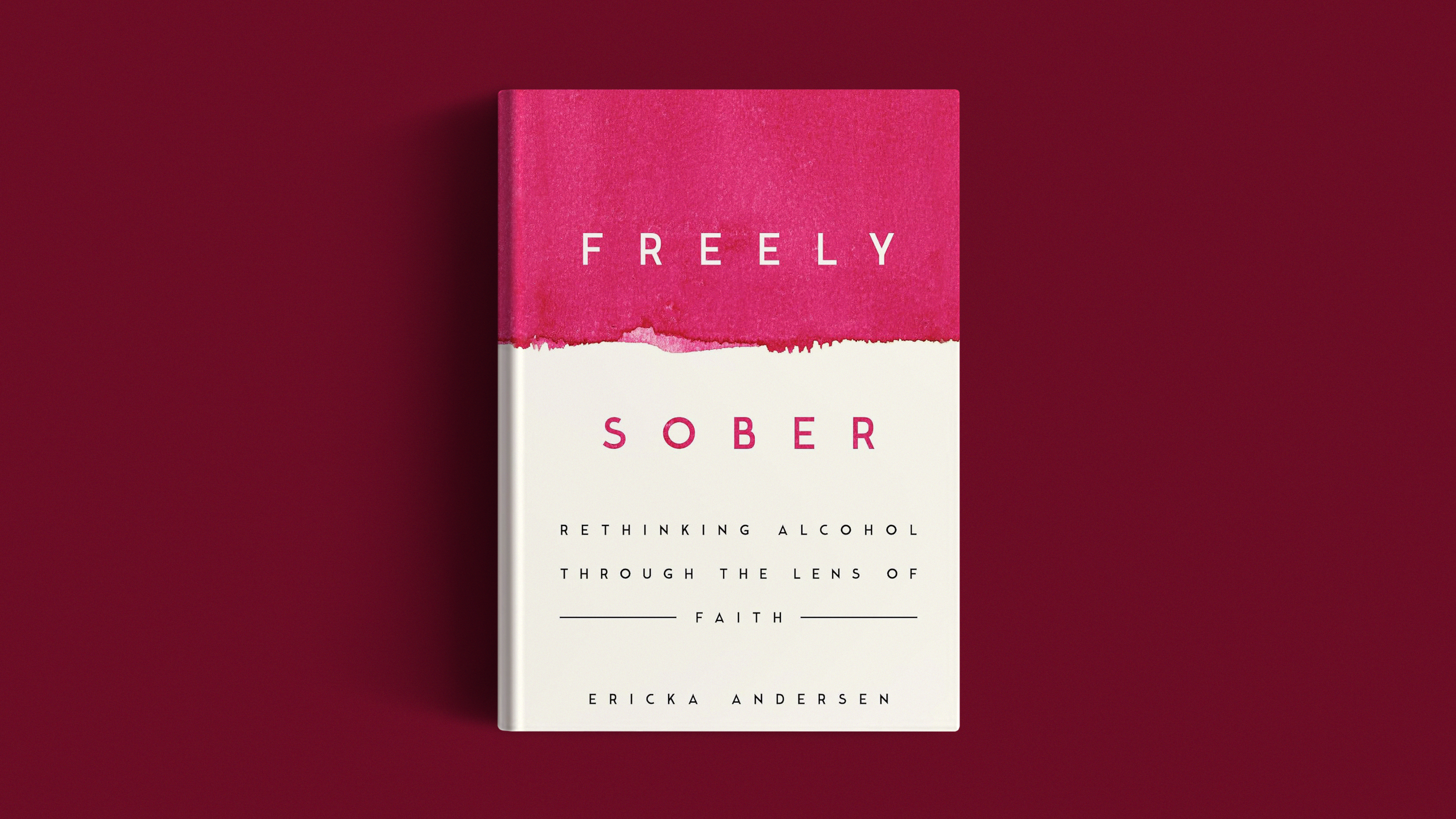
I’d gone through the entire day feeling good, energized, and productive without wanting to drink. I assumed the feeling would continue as the day progressed.
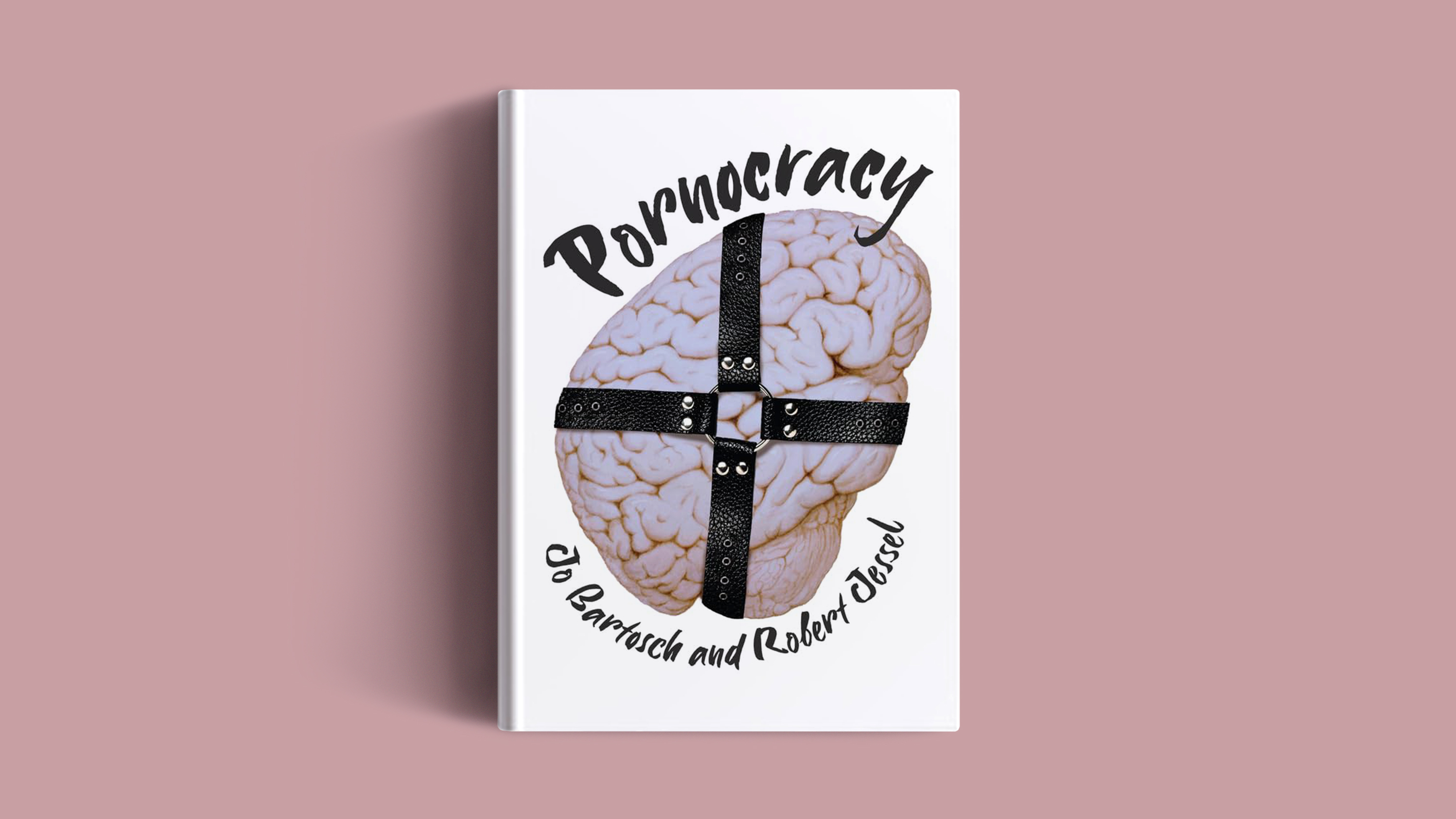
If you’re a Christian reading Pornocracy, the slim new polemic from British advocates Jo Bartosch and Robert Jessel, I bet you’ll find yourself nodding along.
in the magazine

As we enter the holiday season, we consider how the places to which we belong shape us—and how we can be the face of welcome in a broken world. In this issue, you’ll read about how a monastery on Patmos offers quiet in a world of noise and, from Ann Voskamp, how God’s will is a place to find home. Read about modern missions terminology in our roundtable feature and about an astrophysicist’s thoughts on the Incarnation. Be sure to linger over Andy Olsen’s reported feature “An American Deportation” as we consider Christian responses to immigration policies. May we practice hospitality wherever we find ourselves.
more from christianity today
related newsletters
CHRISTIANITY TODAY WEEKLY: CTWeekly delivers the best content from ChristianityToday.com to your inbox each week.
CT PASTORS: Each weekly CT Pastors issue equips you with the best wisdom and practical tools for church ministry.
CT books
Each issue contains up-to-date, insightful information about today’s culture, plus analysis of books important to the evangelical thinker.
Delivered free via email to subscribers weekly. Sign up for this newsletter.
You are currently subscribed as no email found. Sign up to more newsletters like this. Manage your email preferences or unsubscribe.




Christianity Today is a 501(c)(3) nonprofit organization.
“Christianity Today” and “CT” are the registered trademarks of Christianity Today International.
Copyright ©2025 Christianity Today, PO Box 788, Wheaton, IL 60187-0788
All rights reserved.