





A Refugee’s Journey of Reimagining the Past
There is a deluge of banter around immigration in our society. It’s a beautiful thing to know that we don’t have to be left alone to ricochets of rants that strip the flesh of the stories to use the skeleton to haunt our opposition. I thought it to be a good idea to invite a brother of mine to share about his family’s immigration story. Daniel Yang serves as the national director of churches of welcome at World Relief.
“One thing I do: Forgetting what is behind and straining toward what is ahead…”
Philippians 3:13
For those who come from deep, complex, and compiled trauma, how do you forget a past that has defined you? A past filled with loss, sacrifice, and survival? This question isn’t just theoretical for me—it’s my family story.
I was born to Hmong refugee parents who fled Laos during the Secret War in Laos, a proxy conflict in which the US recruited Hmong men, some as young as 12, to aid in the fight against communism. When the US pulled out of Southeast Asia in 1975, the Hmong were left behind, targeted for ethnic cleansing. Over 50,000 of us perished. The total population before the war was only 300,000.
Our little clan of 26 people—led by my father, Yaj Neeb Thoob, and his brother, Yaj Soob Ntaj—hid in the jungles for three years, navigating constant hunger, illness, and danger. They lost everything: their homes, land, and countless loved ones.
The stories are harrowing. There’s one where my dad tells almost comically about when he was piggybacking my sister while evading communist soldiers. She saw a turtle and asked if it was edible. She was hungry and had not had protein in weeks. But they had at least a turtle’s worth that evening.
My Aunt Shoua would’ve had 14 children, but because of sickness, malnourishment, and constant displacement, only four of my cousins are living today.
My Uncle Soob, wounded by enemy fire while helping the family escape, sacrificed himself with a hand grenade rather than risk capture or being killed by those hunting them. My father buried him before leading the family to safety across the Mekong River into Thailand.
These stories are etched into my family’s bodies and souls, shaping who we are.
So when Paul says, “Forget what is behind,” I wrestle with it. How do I forget the people, sacrifices, and traumas that have made me? How do I forget my parents’ struggles—arriving as strangers in America, working factory jobs, and raising children in poverty? How do I forget the compounded racism and alienation we faced as Hmong refugees in inner-city Detroit (think Gran Torino), mistaken for other Asians, mocked as unknowns and for our names and eyes?
These experiences shaped me.
Paul isn’t asking us to erase or deny the pain of our past. He is exhorting us to reimagine the past through the lens of Christ. Paul was a man of privilege and religious pedigree; he had every reason to cling to his past. But he called that “garbage” compared to knowing Christ. His journey wasn’t about avoiding suffering—it was about embracing it alongside Christ, trusting that resurrection power could transform even the darkest parts of his life. “I want to know Christ,” he writes, “to know the power of his resurrection and participation in his sufferings” (v. 10).
Forgetting the past isn’t about escaping trauma or privilege—it’s about trusting Jesus to redeem it. My family’s suffering isn’t something I can justify with my comfortable life today. Even as I work at some of the most prestigious evangelical institutions and raise my children in a relatively safe suburb in Chicago, I can’t say that these “blessings” justify my parents’ sacrifices and pain.
But in Christ, I can reimagine their pain. I can see how their trauma-filled bodies—ragged but resilient—became like doorstops bolted into the ground, holding doors open for me and my siblings to be able to live a life of curiosity and wonder … and faith.
Fourteen years ago, I traveled with a nonprofit group to serve the people of North Vietnam, a place and a people my family once considered the enemy. I hesitated, worried about how my father would feel. But when I called to ask about it, he said something profound: “Go. God taught us to love our enemies. Everything has changed.” In that moment, I saw how his faith had reshaped his understanding of the past. Love replaced bitterness. Hope replaced animosity.
Jesus was his trauma-informed lens for his new life.
My father was a refugee who didn’t forget his suffering but reimagined it as part of God’s greater story.
Paul’s challenge to “strain toward what is ahead” invites us to do the same. It’s not about denying your story but letting Jesus reshape it. Whether your past is marked by pain or privilege, Christ’s resurrection power offers a future rooted in beauty and redemption.
So tend to your story—your hurt, your joy—and speak to your heart that Jesus is reversing death in you.
Daniel Yang is coauthor of Inalienable: How Marginalized Kingdom Voices Can Help Save the American Church and Becoming a Future-Ready Church: 8 Shifts to Encourage and Empower the Next Generation of Leaders.


Sho Baraka
Editorial Director
COMING SOON
The Big Tent Initiative and Wheaton College have collaborated on a wonderful documentary called, Black + Evangelical, due to premiere February 21 at Wheaton College. This is a feature-length documentary that profiles the history, struggles, and contributions of African American evangelicals. We are grateful for the labor of Dr. Vince Bacote and Ed Gilbreath for this excellent work that will surely bless many.
Feedback and Talkback
As we build this newsletter and Big Tent Initiative, we would love your feedback and engagement. We plan to publish articles, host webinars, create podcasts, and more to meet the needs of our Big Tent audiences. What are some topics that you would like us to address?
We also want to highlight what’s on our shelves, our playlists, and our screens. Share your list with us, and we will select a few to include in our next newsletter. Contact us at bigtent@christianitytoday.com.
In Case You Missed It
in the magazine
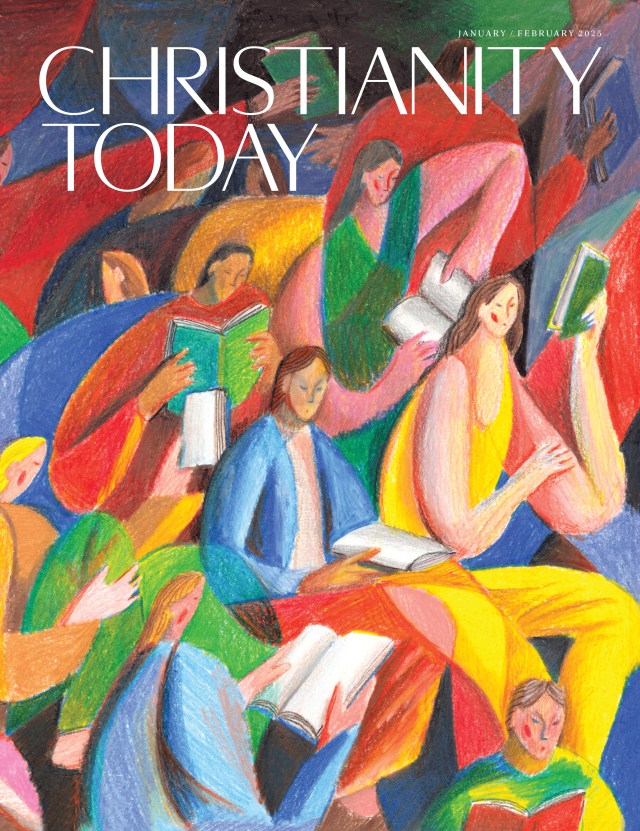
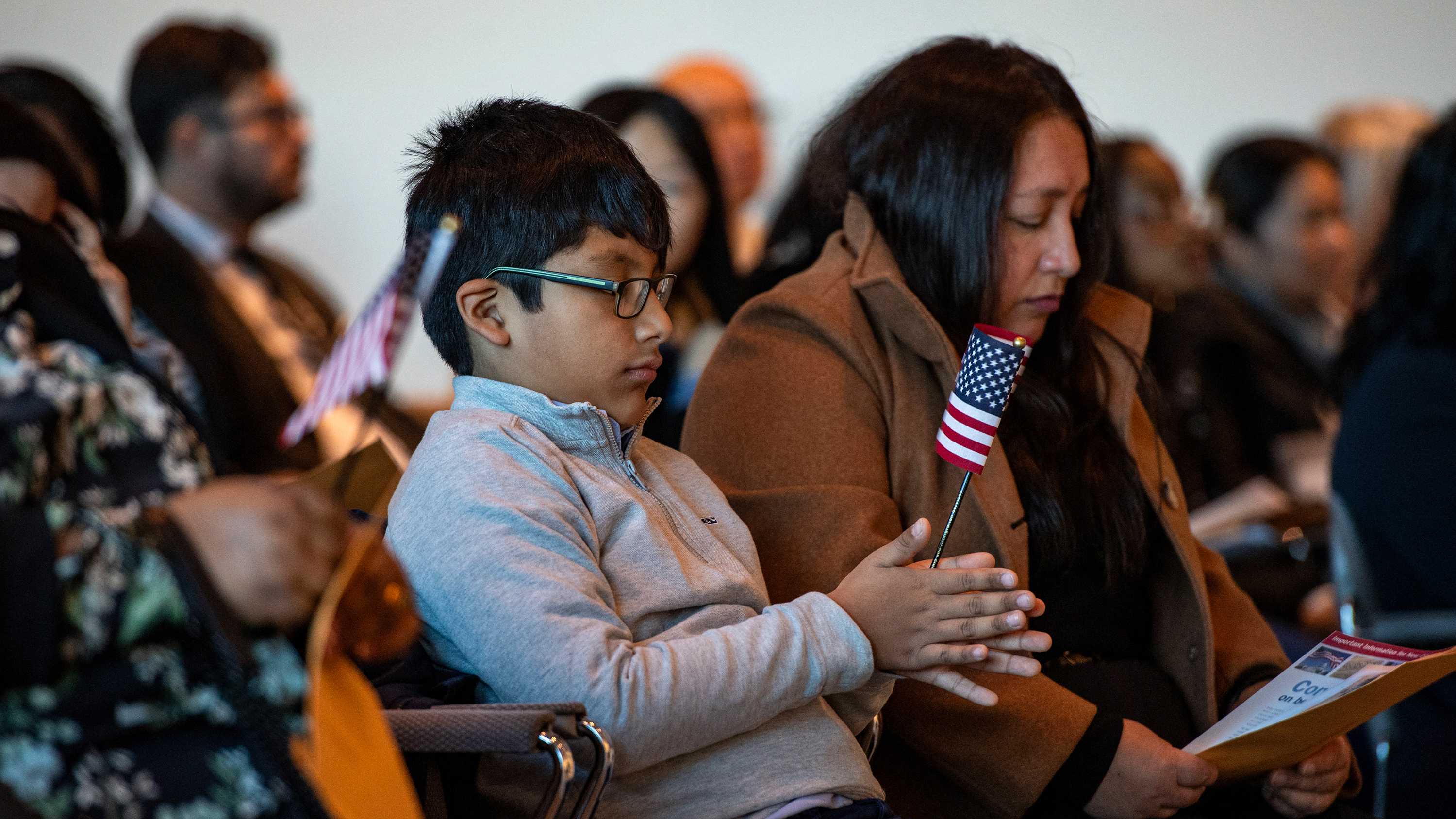
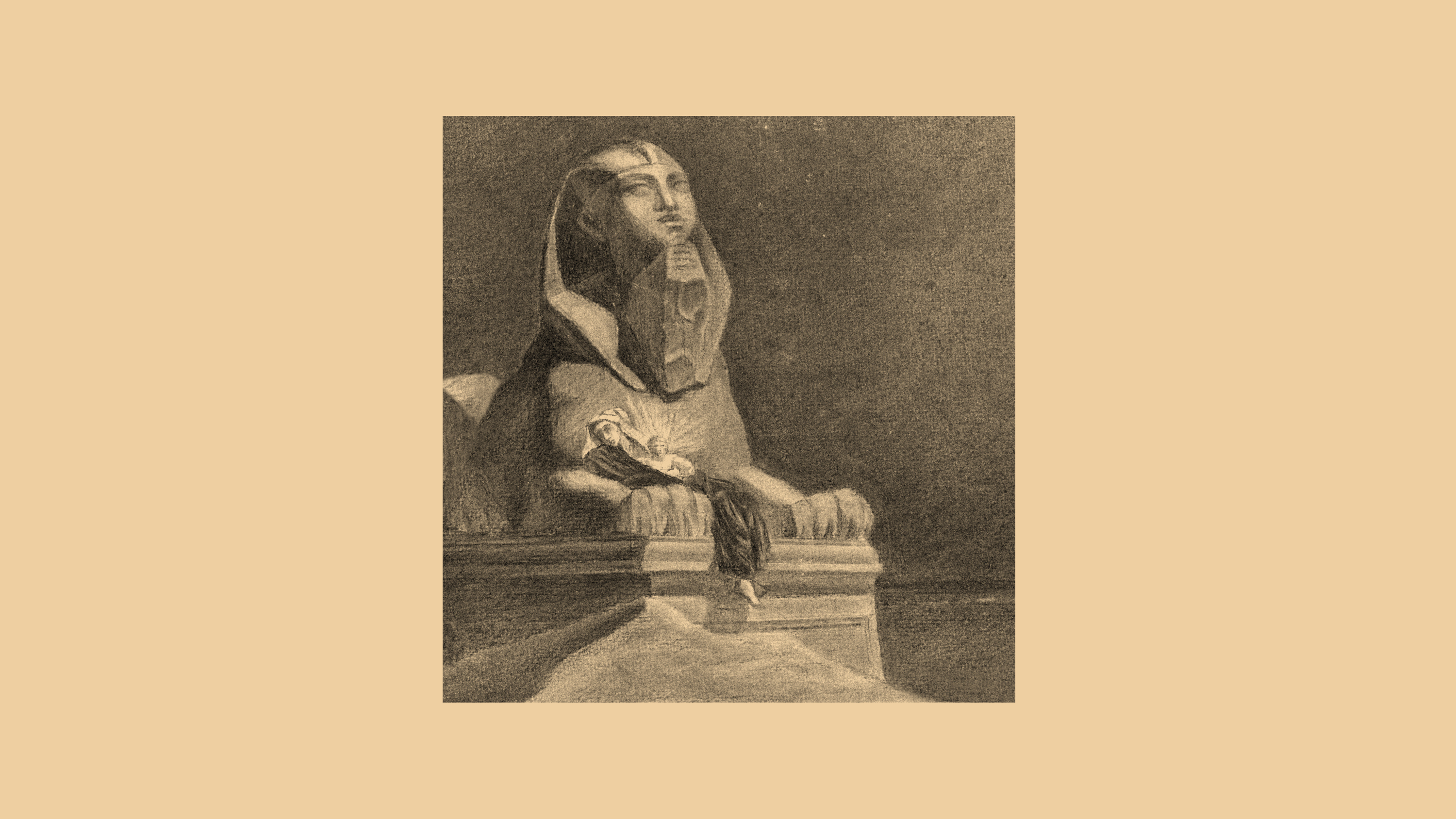
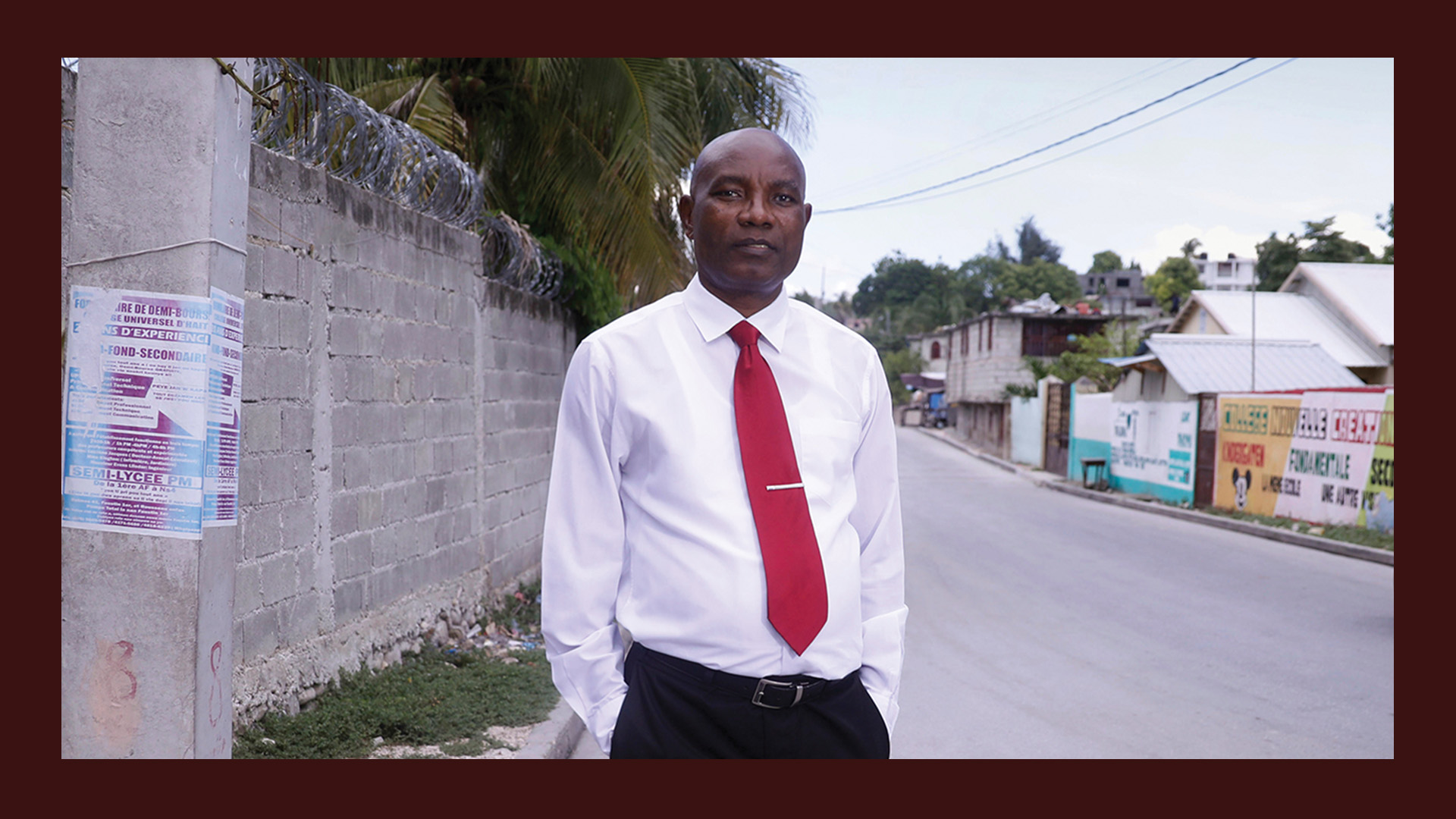
This first issue of 2025 exemplifies how reading creates community, grows empathy, gives words to the unnamable, and reminds us that our identities and relationships proceed from the Word of God and the Word made flesh. In this issue, you’ll read about the importance of a book club from Russell Moore and a meditation on the bookends of a life by Jen Wilkin. Mark Meynell writes about the present-day impact of a C. S. Lewis sermon in Ukraine, and Emily Belz reports on how churches care for endangered languages in New York City. Poet Malcolm Guite regales us with literary depth. And we hope you’ll pick up a copy of one of our CT Book Award winners or finalists. Happy reading!
CT mosaic
CT Mosaic is a monthly newsletter that elevates the many voices and colors of God’s church.
Delivered free via email to subscribers monthly. Subscribe to this newsletter.
You are currently subscribed as no email found. Sign up to more newsletters like this. Manage your email preferences or unsubscribe.




Christianity Today is a 501(c)(3) nonprofit organization.
“Christianity Today” and “CT” are the registered trademarks of Christianity Today International.
Copyright ©2025 Christianity Today, PO Box 788, Wheaton, IL 60187-0788
All rights reserved.