





Christians Reflect on Thinkers Who Influenced Their Faith
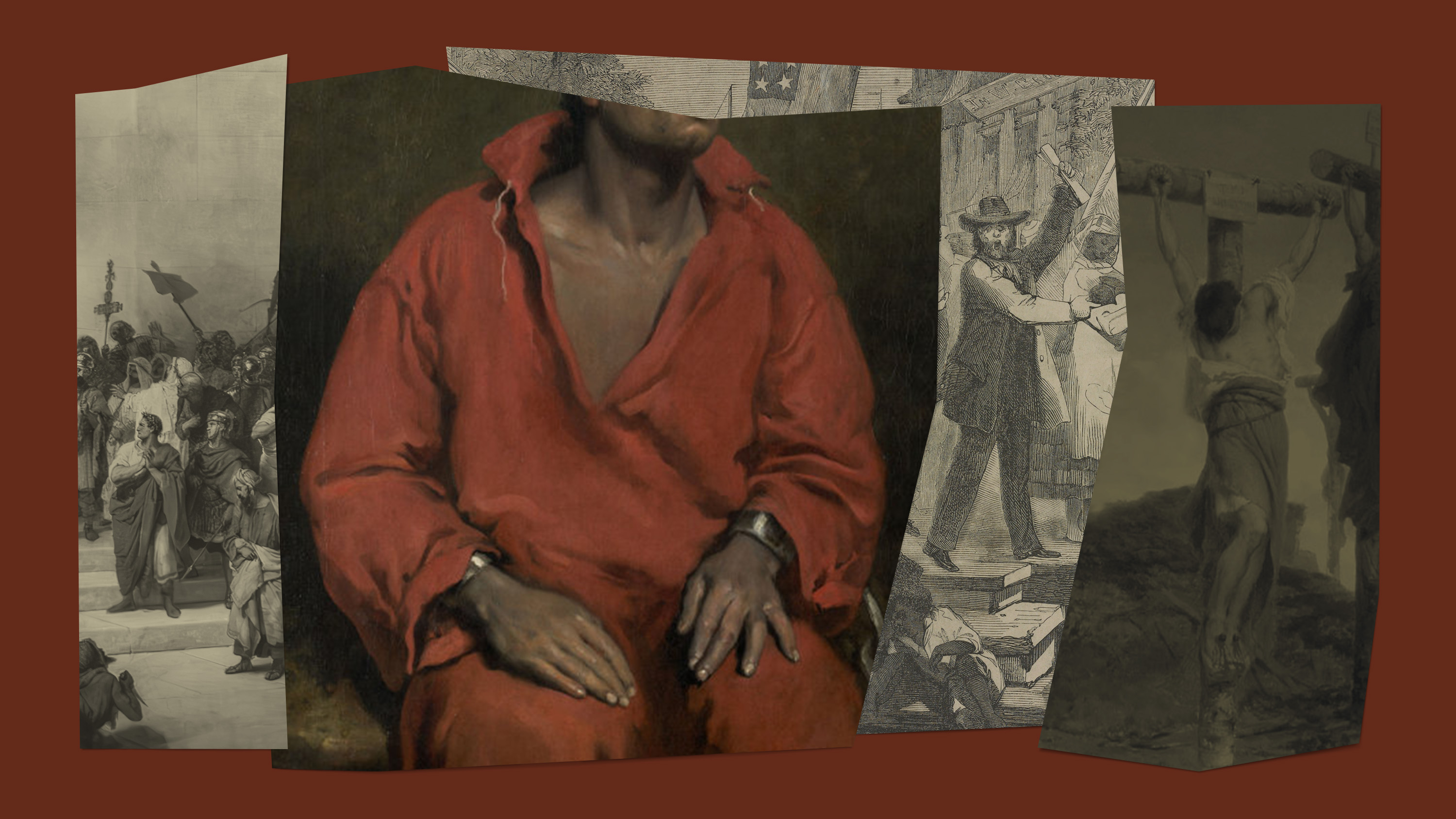
The Black church and Black Christians have played an indispensable role in shaping American and church history. For hundreds of years, African American congregations have operated as hubs of spiritual formation, community, and activism, fighting for the social change necessary to create a more just society—and helping Christians across the board think more deeply about the Bible, the spread of the gospel, and the call to pursue justice.
In honor of Black History Month, CT asked several African American leaders to share about the thinkers, pastors and theologians who have influenced their lives. Here is what they said.
Rebecca Protten (1718–1780)
Protten, a Moravian teacher and missionary of African and European descent, played a pivotal role in early Protestant missions. She converted through the Moravian movement and became a gifted educator, especially among free and enslaved African women in the Caribbean, where she taught Scripture, literacy, and Christian doctrine. Her ministry embodied the conviction that the gospel transcends race, economic status, and social hierarchy at a time when such beliefs were deeply countercultural. Protten was persecuted with other church leaders for missionary activities and modeled a lived theology of endurance, suffering, and hope in Christ. —K. A. Ellis, director of the Edmiston Center for Christian Endurance at Reformed Theological Seminary in Atlanta
James Earl Massey (1930–2018)
Massey was a pastor-scholar who stood out among his peers and was quite simply, different. He was best known as a holiness preacher whose voice crossed deeply entrenched racial and denominational boundaries—a rarity that’s difficult to grasp today. With near-perfect diction, he defied expectations often placed on African American preachers, combining biblical lessons with practical applications and relating to his listeners while also drawing them to a higher plane of thought. In 2006, Christianity Today named him one of the 25 most influential preachers of the past 50 years. At a time when public trust in pastors has diminished so significantly, we’d benefit from a renewed introduction to a man who so faithfully represented both God and his “skinfolk.” —James Ellis III, Baptist pastor and assistant professor of practical theology at Winebrenner Theological Seminary
Harriet Tubman (1822–1913)
Tubman has greatly shaped my theology. After I studied and preached from Romans 6, God helped me see the abolitionist—and the call on her life as a prophetic portrait of the gospel—in a new way. She helped people escape physical slavery, and the passage in Romans gave me greater clarity on my own calling as a natural and spiritual abolitionist. As Christians, God has given us the task of spreading the gospel and helping people escape spiritual bondage. Tubman reminds us that we only go back to plantations (in a sense) to help set people free, not submit again to the yoke of slavery. She refused to enjoy the fruits of freedom for herself and withhold that opportunity from others. May that type of heroism, commitment, sacrifice, and love mark my life, and all of ours as well. —Sarita Lyons, author, speaker, Bible teacher, and psychotherapist
Vernon Johns (1892–1965)
Johns grew up poor in Virginia and was able to receive a first-rate theological education, which was rare for his day. He later served as the pastor of Dexter Avenue Baptist Church in Montgomery, Alabama. Martin Luther King Jr., a friend of Johns, succeeded him in the role. Johns was in many ways a man of contradictions. He preached with insight and intellect, but often in dirty overalls, dispensing pearls of theological wisdom while tracking dirt from the farm into the sanctuary. He spent his ministry as a pastor ruffling feathers and offending the silk-stocking sensibilities of upper-middle-class African American congregations. —Daylan Woodall, writer and senior pastor of First Missionary Baptist Church in Decatur, Alabama
Caesar Arthur Ward Clark (1914–2008)
Clark was a mentor of Martin Luther King Jr. and pastored one congregation—Good Street Baptist Church in Dallas—for 50 years. Clark grew up in Louisiana. There, he encountered racism and poverty, which blocked his chances of being educated until much later in life. But those constraints didn’t stop him from flourishing. He was known for his theological imagination and rich biblicism and became an internationally renowned Baptist revivalist. He had a small stature but left a giant impression on African American preaching and Christianity. —Woodall
Charles Price “C.P.” Jones (1865–1949)
Jones was a pioneer of the Black holiness movement and the most prolific Black American hymnist of all time. He wrote that the Lord encountered him in the late 1890s and said, “You shall write the hymns for your people.” Jones went on to write over 1,000 hymns. His songs are sung primarily in holiness and Pentecostal settings. But I believe that the messages God gave Jones are indeed for “his people”—Black America—and for the global church. In turbulent times, we need Jones’s prophetic reminder as sung in one hymn: “I will make the darkness light before thee.” —Geoffrey D. Golden, director of worship and arts at The Park Church in Charlotte, North Carolina
To read the entire list of inspiring figures, visit CT’s website.
editors’ picks
- Sho Baraka, editorial director, Big Tent:
- One of my favorite recent albums is Acts of Faith by British group Sault. Their unique fusion of soul, gospel and acid-jazz is a rich resource for meditation, reflections and vibes.
- This month, I discovered author Sutton Griggs’ Imperium In Imperio, a historical fiction about luminaries W.E.B Du Bois and Booker T. Washington and their attempt to create a Black nation within America. The novel was published in 1899, but it offers insight for our contemporary political conversations. The book is short, poignant, and would be a good read for Black History Month.
- Haleluya Hadero, Black church editor:
- I recently saw a documentary about Gary, Indiana called The Magic City of Steel. The film was released in 1997, so it doesn’t have the most up-to-date stories information. But it still does a good job of helping viewers understand how the steel industry’s decline affected the predominately Black city.
- My husband and I made this pastry-wrapped cheese dish for last Sunday’s Super Bowl. I’m not a cheese lover, but even I found it to be delicious.
Message from the Big Tent Initiative
One of the privileges we have at the Big Tent Initiative is to expand access to stories and storytellers that CT’s audience might not otherwise encounter. We are now collaborating with the extraordinary 16-year NFL veteran, author, and speaker Benjamin Watson on a podcast called The Just Life. The podcast will expose problems of injustice, engage people making a difference, and explore practical ways to live justly in everyday life.
Feedback and Talkback
As we build this newsletter and Big Tent Initiative, we would love your feedback and engagement. We plan to publish articles, host webinars, create podcasts, and more to meet the needs of our Big Tent audiences. What are some topics that you would like us to address?
We also want to highlight what’s on our shelves, our playlists, and our screens. Share your list with us, and we will select a few to include in our next newsletter. Contact us at bigtent@christianitytoday.com.
In Case You Missed It

in the magazine
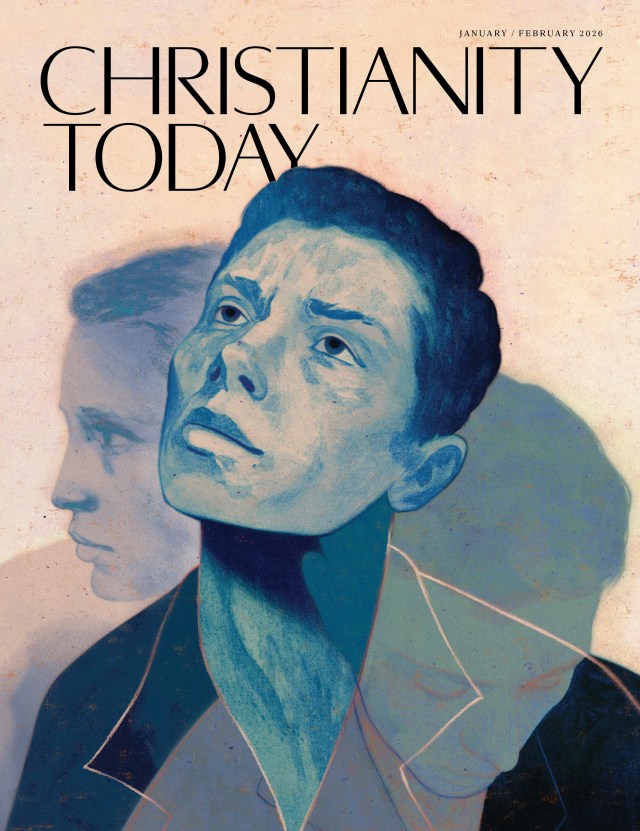
When Jesus taught, he used parables. The kingdom of God is like yeast, a net, a pearl. Then and today, to grasp wisdom and spiritual insight, we need the concrete. We need stories. In this issue of Christianity Today, we focus on testimony—the stories we tell, hear, and proclaim about God’s redemptive work in the world. Testimony is a personal application of the Good News. You’ll read Marvin Olasky’s testimony from Communism to Christ, Jen Wilkin’s call to biblical literacy, and a profile on the friendship between theologian Miroslav Volf and poet Christian Wiman. In an essay on pickleball, David Zahl reminds us that play is also a testament to God’s grace. As you read, we hope you’ll apply the truths of the gospel in your own life, church, and neighborhood. May your life be a testimony to the reality of God’s kingdom.
CT MOSAIC
CT Mosaic is a monthly newsletter that elevates the many voices and colors of God’s church.
Delivered free via email to subscribers monthly. Subscribe to this newsletter.
You are currently subscribed as no email found. Sign up to more newsletters like this. Manage your email preferences or unsubscribe.




Christianity Today is a 501(c)(3) nonprofit organization.
“Christianity Today” and “CT” are the registered trademarks of Christianity Today International.
Copyright ©2025 Christianity Today, PO Box 788, Wheaton, IL 60187-0788
All rights reserved.