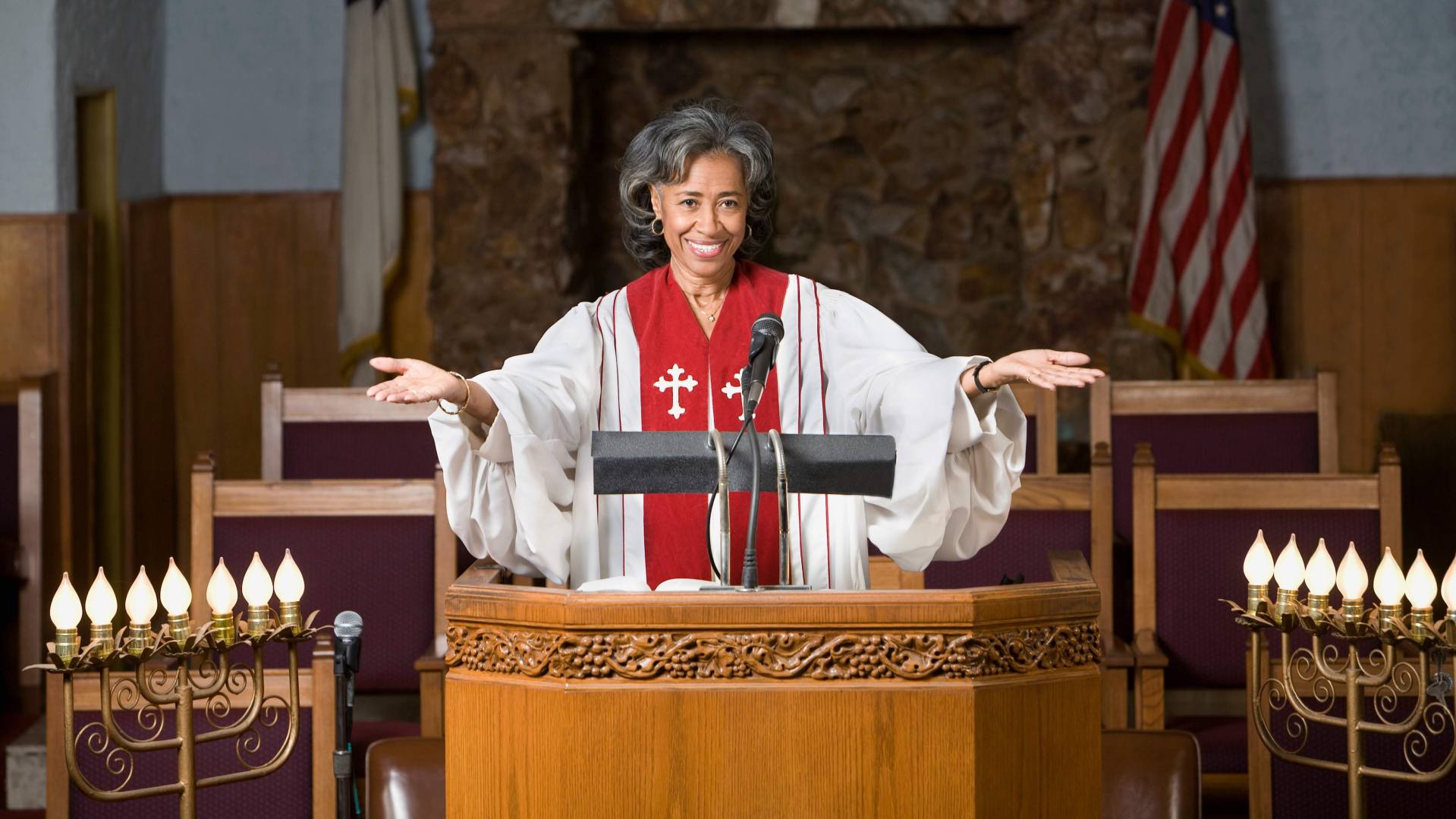
I grew up in England with a queen on the throne and was educated at an all-girls' school and women's college in Cambridge by gifted females (and led to Christ by a female medical professional). So after becoming a Christian, imagine my dismay when I first joined a church where women weren't allowed to do any of the things in which I knew they excelled!
Later as a budding Bible teacher, I was asked by male church leaders to speak to young women and men in an outreach our congregation hosted. But others challenged my participation. I became hurt and confused. It wasn't that these challengers thought I shouldn't be exercising my gifts – that they believed "God thought" I shouldn't! This went against the very root of my identity and calling.
The positions Christians take on this issue are based on how they interpret the apostle Paul's writings. Paul told Titus that older women should informally train younger women in practical holiness and everyday Christian living (Titus 2:3-4). These older women were equipped and encouraged to teach.
But what about women teaching men? Paul wrote to Timothy: "A woman should learn in quietness and full submission. I do not permit a woman to teach or to have authority over a man; she must be silent" (1 Timothy 2:11-12). While the apostle was encouraging the teaching of women (even though traditionally they weren't given that opportunity), he restricted them from authoritatively sharing their learning with men.
Some people say this prohibition means women must never, ever teach men in the church. They believe Paul felt that because Eve was deceived, women are gullible and therefore mustn't teach men. Others think Paul was addressing specific circumstances in Ephesus, because in other Scriptures, Paul actually recognizes several women who were teaching and evangelizing alongside him (Romans 16:1-3; Philippians 4:2-3). Because women in Ephesus at this time were uneducated and secluded, Paul was warning that they could be misled by the false teachers trying to lure new Christians away from the church Paul wanted to establish. Those circumstances don't necessarily exist today, because many women, when trained, have gifts that can bring blessing to both men and women.
In fact, I believe I first have to answer to God for his gifts and calling on my life. I don't want to get to heaven and hear him say, "Half-done, thou half-faithful servant." Prayerfully, I exercise my gifts to the blessing of believers when I'm invited to do so and seek to utilize my strengths without being a stumbling block to others. Women should seek to use their gifts in ways that are acceptable to their community of believers. Ask God for guidance, and read as much as you can.
I don't believe women should bury their gifts or let anyone else bury them. There's a lost world (of men and women) waiting to hear what God's gifted women have to say to them. The eternal destiny of these souls may depend on it.