Across the country, 18 million college students are engaged in finals, an opportunity to prove their intellectual mettle. For many Christian college students leading campus ministries, this finals week includes an examination of their Christian convictions. The test has been clear: abandon faith-based leadership requirements or face the expulsion of your group from campus.
Historically, tensions over campus access catalyzed around sexual behavior controversies. Campus administrators, citing anti-discrimination language, would penalize campus ministries that required sexually active members of the LGBT community to step down from organizational leadership. (To be clear, these ministries far more frequently required unmarried, sexually active heterosexual leaders to step down.) In most cases, though, universities and colleges affirmed (sometimes only after lawsuits had been filed) the right of religious groups to select their own leaders.
However, in 2010, the United States Supreme Court ruled in Christian Legal Society v. Martinez that a public college may enforce an "all comers" policy on a religious group without violating the First Amendment if it applied the policy universally to all groups. (An all comers policy requires every student organization to allow all students to join or to be eligible to lead the group, including those students who do not agree with the group's core beliefs.) Perhaps emboldened by Martinez, universities and colleges have increasingly provoked campus access controversies by proactively issuing policies which forbid student organizations from using religious criteria in leadership selection.
InterVarsity Christian Fellowship has been contesting all comers policies on dozens of campuses this past semester. These controversies have been costly. They demand substantial time from students and staff. They have caused some students to leave our fellowships as they shy away from the negative publicity or find themselves in disagreement with our doctrinal positions. They catalyze hostility towards our presence on campus. Given that we still continue our ministry on campuses where we have lost recognition, why do we continue to engage in campus access battles? We do so for two reasons:
Students benefit from a call to doctrinal fidelity. When given a choice between either abandoning InterVarsity's Doctrinal Basis or risking de-recognition from campus, our students have overwhelmingly chosen to embrace a clear theological center for our ministry. They have greater clarity about scriptural norms for Christian leadership after studying 2 Timothy. They have reflected on Christian history, observing how the InterVarsity movement began as a response to a loss of doctrinal fidelity in the Student Christian Movement in the United Kingdom and the YMCA and SCM in the United States. They have a renewed sense of the responsibility entrusted to each generation to embrace, guard, and transmit gospel truth to the next generation of students. It is a key discipleship opportunity.
It is also a key evangelistic opportunity as our students practice communicating their convictions with clarity and compassion to those who disagree. Whether in front of student senate hearings, through newspaper editorials, or in front of hostile administrators, students are learning how to engage our culture with grace and with truth. They have remained evangelistically engaged throughout this time. They are experiencing what Jesus promised: They will be his witnesses and will be given words and wisdom when they are called to account for what they believe.
It is also a key spiritual formation opportunity as our students wrestle in prayer, trusting in God's sovereignty as they appeal unjust decisions. They daily seek to demonstrate Christlikeness and the fruits of the Spirit as they respond to a campus environment which is, at times, openly hostile to their presence. They learn to surrender privilege and social position as they become a despised minority on campus—identifying, if only in a small way, with persecuted Christians around the world.
It is also a key opportunity for character-building. At Vanderbilt University, which imposed an all comers policy on religious groups, 14 campus ministries (representing over 10% of the students on campus) refused to sign an anti-discrimination pledge which would prevent them from using scriptural criteria in leadership selection. This coalition included Catholics, Lutherans, Baptists, and nearly every evangelical group (including InterVarsity, Cru, and the Navigators). Some administrators suggested that the groups could sign the pledge while running leadership selection as if they had not. These groups declined. To do so would demonstrate a lack of integrity. They would rather be forced off campus than agree to a policy that they cannot support.
The university benefits from a call to principled pluralism. In campus access challenges, InterVarsity prophetically calls the university to be faithful to its own ideals. Just as urban ministries seek the welfare of the city, InterVarsity seeks the welfare of the university. By contesting a wooden definition of "anti-discrimination," InterVarsity invites the university to demonstrate integrity as it pursues the creation of an inclusive campus environment.
Article continues below
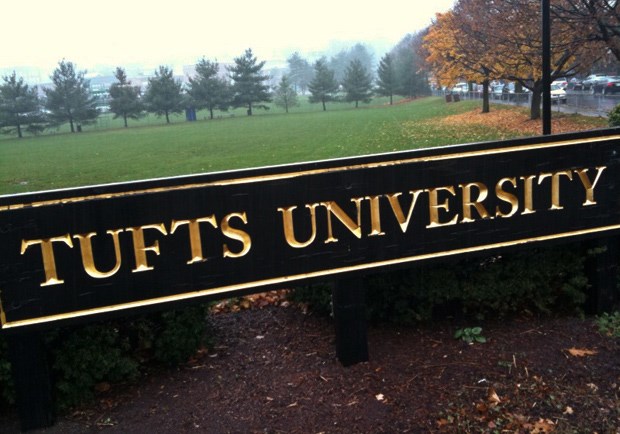
Principled pluralism requires that the university encourage communities with conflicting narratives and ideologies to be authentically represented on campus as equal parties. It calls the university to create a "neutral zone" amidst the cultural battles around gender, religion, race, ethnicity, and sexual orientation. It challenges the university to develop new paradigms and tools to resolve the tension between pursuing anti-discrimination values and protecting diversity-enhancing group distinctiveness. A truly inclusive university should reject anti-discrimination policies which flatten differences and reduce true diversity. The Committee on Student Life at Tufts University agonized over these tensions when it created a pathway for student religious groups to preserve their religious leadership requirements.
The way the university resolves these controversies foreshadows the way our culture will engage these issues in the future. Tomorrow's leaders in government, business, and culture are college students today. The conversations and resolutions they experience in the present will provide the templates and practices they pursue in the future.
Campus access challenges represent more than a roadblock to campus ministry. For InterVarsity students, they create a potent training ground in discipleship, evangelism, and cultural engagement.
Greg Jao is a National Field Director for InterVarsity Christian Fellowship/USA and leads their response to campus access challenges.












 While we pray for peace, we need moral clarity about this war.
 As my doubts about his teachings grew, so did a secret fascination with Jesus.
 The rage of the mob is a poor substitute for real community.





