Oover the past half century, many Hindus, Muslims, and other peoples of the major religions have put their faith in Jesus, often as a result of miraculous encounters with God through dreams, healings, or the reading of Scripture.
These new Jesus followers, coming from different countries and ethnicities, express their faith in a variety of ways. One such way is called a "Jesus movement" or "insider movement," where families and groups follow Jesus as Savior and Lord while remaining within the socioreligious community of their birth.
What we are now seeing was predicted years ago by evangelical leaders such as Henry Riggs and Virginia Cobb. How should evangelical leaders today view such movements?
My family and I lived for more than 20 years in a Muslim-majority country. Most of those years were in a close-knit neighborhood where our children's "aunties" and "uncles" were our Muslim neighbors and friends. We were privileged to see a Jesus movement firsthand in that society, which actually began while we were out of the country. Through this movement, several of our long-time Muslim friends came to faith in Jesus. In recent years, we have had the chance to provide training in prayer for healing in a variety of Muslim settings, sometimes at the invitation of groups of Muslims who follow Jesus. In this way, we have heard many of their testimonies of love and devotion for Jesus.
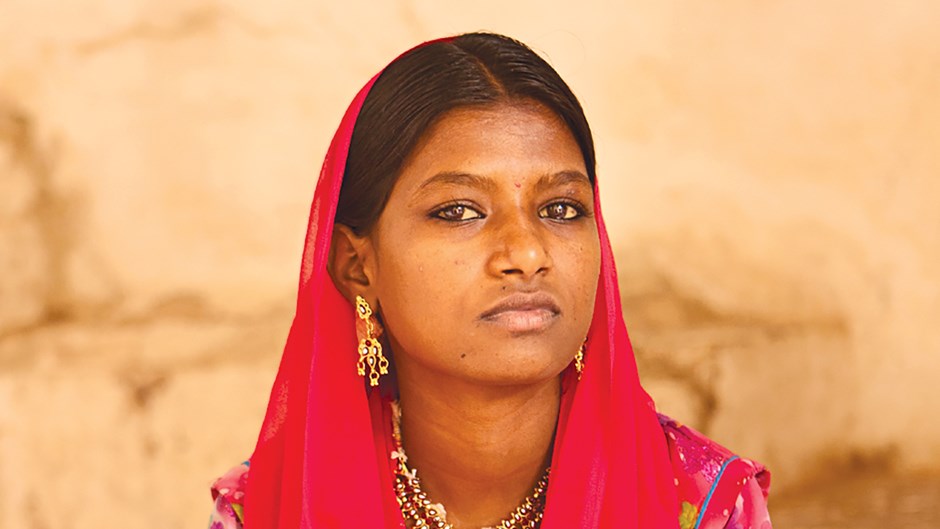
The particular movement that we witnessed began when God touched a woman called "Fatimah." Before we met her, she had been reading a copy of the New Testament, given by trusted friends, for nearly 10 years. During that time, her son was miraculously healed when he was prayed for in the name of Isa al Masih (Jesus the Messiah). Fatimah was drawn to the Jesus revealed in the New Testament.
She assumed that because she was a Muslim, she could not become his follower. Then one day, she spoke with a wise Asian pastor who understood her dilemma. He said, "Fatimah, you can receive Jesus now, right where you are. You are saved by Jesus, not religion."
With joy, she received this good news. She felt the Spirit of God enter her heart, and the weight of sin lift from her life. Her mother, along with her son who had been healed, also embraced Jesus as Savior and Lord.
Fatimah became convinced that God had called her to bring the good news of Jesus to her Muslim family and friends. Soon, Jesus-centered groups began to form, gathering regularly for prayer, fellowship, and the study of the New Testament. Now, years later, these small groups continue to multiply. They have not "changed religions," but their changed lives demonstrate the reality of Jesus, right inside the religious communities of their birth.
Several characteristics about these groups stand out, as well as others we have seen elsewhere, that should be of importance to evangelicals. First, they accept Jesus as the Savior through whom their sins are forgiven.
Second, there is clear evidence of the work of the Spirit as they obey the Bible and grow in the lordship of Jesus.
Third, though they are not called Christians, they are spiritually and biblically part of the church universal put there by Christ because they are one in him. (Many I have met have deep friendships with Christians and often make statements such as, "Any person who truly follows Jesus is my brother or sister.")
Fourth, they affirm most aspects of their Muslim heritage, simply seeing it as their natural identity. Yet they clearly reform certain teachings and practices that are not in line with the New Testament. This makes them different from others around them, and many have already endured more suffering for the name of Jesus than most Western evangelicals will ever face.
How should evangelicals best respond to such movements? We should be thankful. Many who might have never had the chance otherwise are now discovering the same wonderful Jesus we know.
Next, we should be prayerful. Though they remain part of their families and communities, these Jesus followers are still seen as "different" or even unacceptable by some, and many have suffered persecution for the name of Jesus. (This is not the time to widely publish details of these movements, thus exposing people on the ground to unnecessary risk.)
Additionally, we should be careful. We could find ourselves opposing what God is doing, when God moves in ways we do not expect. Those trying to pull up what they perceive as tares may in fact be destroying maturing wheat.
Finally, we should be biblical. They, just as we, are saved by grace through faith in Jesus alone, not by religious affiliation.
John J. Travis is an affiliate faculty member at Fuller Seminary and has worked cross-culturally in the Muslim world for more than 25 years.
Have something to add about this? See something we missed? Share your feedback here.















 While we pray for peace, we need moral clarity about this war.
 A Christian reconciliation group in Israel and Palestine warned that war would come. Now the war threatens their relevance.españolالعربيةFrançaisрусскийУкраїнська
 Beyoncé’s right. Whether listening to Cowboy Carter or reading theology, diversity is a good thing.






