News

State-Sponsored Pilgrimages Under Review in Nigeria

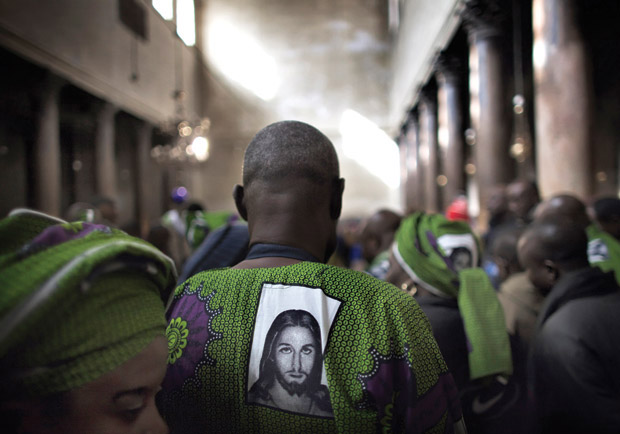
A third of the country’s 90,000 religious pilgrims this year were Christians.

State-Sponsored Pilgrimages Under Review in Nigeria

State-Sponsored Pilgrimages Under Review in Nigeria

Marco Longari / AFP / Getty

Modern-day pilgrimage made world headlines this fall when Saudi Arabia deported more than 1,000 Nigerian Muslim women for attending the annual Hajj without male chaperones.

Nigeria has sponsored its citizens to undertake the religious ritual—required once in a lifetime by Islam if health and money allow—since its independence in 1960. This year, it sent nearly 90,000 pilgrims. But overshadowed is the fact that the oil-rich West African country also sponsors Christian citizens on their own pilgrimages.

An estimated 30,000 Christians visited Israel, Rome, Greece, and Egypt between October and December. (While the government sponsored many of the trips, churches and nonprofits backed others.) Thanks to increased awareness and funding, this number has skyrocketed in recent years—tripling since 2010 and up from 2,000 a decade ago. Until last year, the government had only sponsored Christians' trips to Jerusalem; the city is still the preferred destination for 80 percent of the travelers.

Many Christians in Africa's most populous nation take huge pride in being pilgrims, adding the title Jerusalem Pilgrim, or the initials JP, to their names.

The Nigerian government sponsors pilgrims on the premise that they experience spiritual re-births and return better Christians and better citizens, said John Opara, executive secretary of the governmental Nigerian Christian Pilgrim Commission (NCPC). "Pilgrimage is serious business, and not a travel jaunt as envisaged in some quarters."

But now church and government officials are working to assess whether pilgrimage actually delivers on this promised return on investment. To answer the question, the commission will subject pilgrims to a series of tests and gather testimonials to measure improvements in character and spirituality, Opara said.

"There will also be postpilgrimage forums where they can relate life-changing experiences and encounters as well as how they have become better as citizens," he said.

Opara hopes the results of this assessment will encourage the government to continue its sponsorships.

But church leaders are themselves divided on the effect of such pilgrimages.

"The fact that someone has attended does not make him a better Christian than someone who has not been there," said Toyin Kehinde, pastor of Lagos's Agape Generation International Church. "There is no specific Holy Land with the advent of Jesus. Wherever two or three are gathered is a holy land."

Dennis Inyang, senior pastor of Sure Word Assembly Lagos, agrees. "It will make you a more informed Christian—deepening your understanding of the Bible—but never a better Christian," he said.

But Magnus Atilade, president of the Gospel Baptist Conference of Nigeria and Overseas, argues pilgrims never return the same.

"[Pilgrimage] strengthens one's faith and enriches one's encounter with God," he said. "You cannot but emerge from the experience completely awed and transformed."

Asoliye Douglas-West, parish priest of Lagos's St. Peter's Anglican Church, agrees. "You leave feeling reinvigorated and more committed to God, having seen the physical sites where Jesus operated," he said. "It could mark a turning point in one's … walk with God."

For many Nigerians in the past, such trips have been life-changing in another way: They've skipped the flight home and illegally emigrated. The NCPC has successfully curtailed much of such activity by enacting age thresholds (30 years old for Israel, 50 years for Rome) and strict economic and personal checks.


Also in this issue

The CT archives are a rich treasure of biblical wisdom and insight from our past. Some things we would say differently today, and some stances we've changed. But overall, we're amazed at how relevant so much of this content is. We trust that you'll find it a helpful resource.

Cover Story

Incredible Journeys: What to Make of Visits to Heaven

My Top 5 Books on Israel & Palestine

Gary Burge

Review

Rest Works

This American Christian Life

Elesha Coffman

Do American Christians Need the Message of Grace or a Call to Holiness?

Will Willimon, Halee Gray Scott, and Margaret Feinberg

Excerpt

Why Everyone Needs Theology

Kelly M. Kapic

Why Jonathan Bock Wants More Christians in the Arts

Mark Moring

The Relentless Passion of Francis Chan

News

African Pastors Lead Crusade for Circumcision

Moses Wasamu in Nairobi, Kenya

Review

Home Away from Home

Paul Marshall

Genocide in Shades of Pink

Marian V. Liautaud

Why 'Mere Christianity' Should Have Bombed

John G. Stackhouse Jr.

Three Is the Loveliest Number

Michael Reeves

Misreading the Magnificat

Created to Make Homes

Ryan Salyards

News

Should Churches Discourage Belief in Santa Claus?

Compiled by Ruth Moon

Breast-feeding in the Back Pew

R.M. Stone

Editorial

Subverting the Taliban

A Christianity Today Editorial

The End of Nominal Protestantism

Was the Real St. Nick Better than Santa Claus?

Interview by Elissa Cooper

News

Exodus International Fragments Over Focus

Weston Gentry

News

After D'Souza's Departure, The King's College Seeks Doctrine Over Politics

Melissa Steffan

Team of Champions

Harold Smith

News

Quotation Marks

Review

The White Umbrella

Matt Reynolds

Review

The Terrible Speed of Mercy

Matt Reynolds

Review

Brigham Young

Todd C. Ream

A Veggie Good Time

Mark Moring

Wilson's Bookmarks

John Wilson

Letters to the Editor

News

Go Figure

News

Gleanings

View issue

Our Latest

The Bulletin

No Iran Deal, Russell Brand Reads the Bible, and Ben Sasse’s Public Dying

Clarissa Moll, Russell Moore

Trump insists on nuclear deal with Iran, Brand’s viral Bible faux pas, and Senator Sasse shares his dying and his faith.

The Algorithm Is Changing How We Speak—and Strive

Griffin Gooch

“Algospeak” capitalizes on our desire for attention and status. We should turn to God for both.

Review

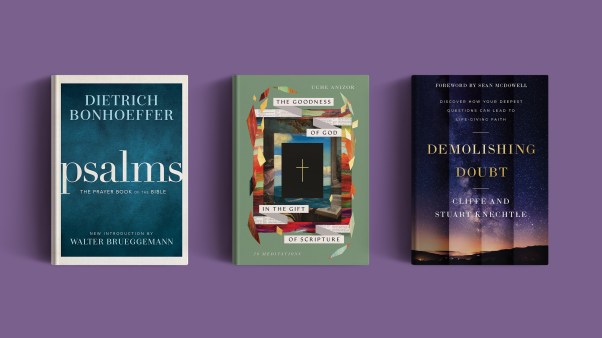
When Faith Feels Cloudy

Three books for the doubting Christian.

News

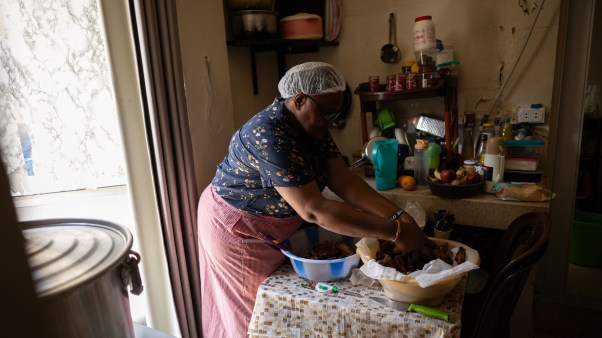
The Christian Migrants Feeding the Displaced in Lebanon

Ghinwa Akiki and Hunter Williamson in Beirut, Lebanon

The war left many domestic workers jobless and homeless. Some Christians see a chance to serve their community.

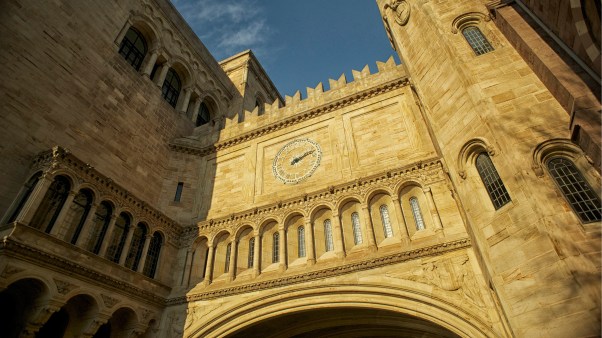
Desperately Seeking Alternatives to Arrogance

The Trump administration’s critique of elite universities is worthwhile, but government control is problematic. Good news: Christian study centers are multiplying at major universities.

News

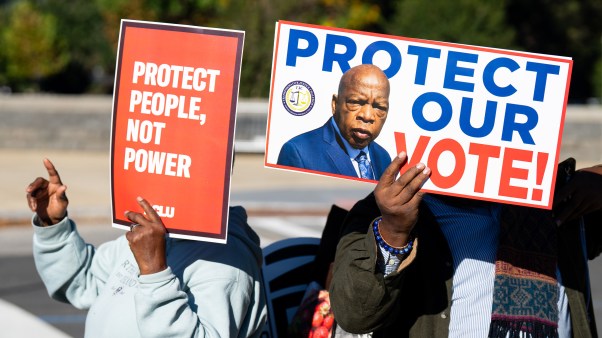
Black Churches Urge Congregants to Mobilize After Supreme Court Ruling

Denominational leaders say the latest weakening of protections for minority voters is discouraging but not cause for despair.

We Need the Doctrine of Hell

The harsh reality shows us our depths of depravity and the depth of Christ’s redemption.

News

Extremist Attacks Leave Dozens of Christians Dead in Afghanistan

A Pakistani pastor who baptized several of the victims continues shepherding church members living under Taliban rule.

addApple PodcastsDown ArrowDown ArrowDown Arrowarrow_left_altLeft ArrowLeft ArrowRight ArrowRight ArrowRight Arrowarrow_up_altUp ArrowUp ArrowAvailable at Amazoncaret-downCloseCloseellipseEmailEmailExpandExpandExternalExternalFacebookfacebook-squarefolderGiftGiftGooglegoogleGoogle KeephamburgerInstagraminstagram-squareLinkLinklinkedin-squareListenListenListenChristianity TodayCT Creative Studio Logologo_orgMegaphoneMenuMenupausePinterestPlayPlayPocketPodcastprintremoveRSSRSSSaveSavesaveSearchSearchsearchSpotifyStitcherTelegramTable of ContentsTable of Contentstwitter-squareWhatsAppXYouTubeYouTube