





It's spring, and as sporadic rains fall on thirsty California, I am thinking about a certain biblical promise. Found in Hosea, it follows an assurance that God will heal, revive, and raise Israel up again: "He will come to us like the rain, Like the spring rain watering the earth" (NASB).
From a literary perspective, this comparison sounds just right. If God were an element, he'd be rain – soft yet torrential, the only remedy for desperate thirst and drought. But in Hosea's agricultural society, this promise was also literal. Rain was a saving grace, the invaluable resource that allowed crops to grow.
Today, rain still represents survival to rural families in the developing world. Small-scale subsistence farmers stake their lives on agriculture, relying on what they can grow to feed their families, earn an income, and send their kids to school. Armed with few resources, basic elements like water, seeds, and good soil mean the difference between hunger and health.
Yet, around the globe, millions of female subsistence farmers don't have equal access to basic resources to cultivate the land and sustain their communities. Mothers, sisters, daughters, and wives represent the backbone of the rural economy, especially in the developing world. They grow the food their families eat, cook meals, sell excess produce at market, and care for the household.
According to the UN's Food and Agriculture Organization, women make up nearly half of the rural workforce, yet receive only 5 percent of agricultural extension services, such as training and seeds. Despite their role in the rural food system, female subsistence farmers remain one of the most under-resourced demographics in the world.
This gender inequality carries desperate consequences. Lack of basic tools and training means women grow and harvest significantly lower yields than men – not because they can't farm as well, but because they don't have necessary resources. In fact, female farmers do more to increase food security in rural communities than men. Women cultivate vegetable gardens and edible crops close to home, which allows them to watch their children and cook meals. In contrast, men tend to travel further from the house to grow cash crops like tobacco, coffee, and corn – crops that do little to supplement diet.
If these women could achieve the same yields as men, studies estimate that 150 million undernourished people in the developing world would have enough to eat. This number should both shock us and move us to action, ensuring that female farmers have the tools they need to feed a hungry world.
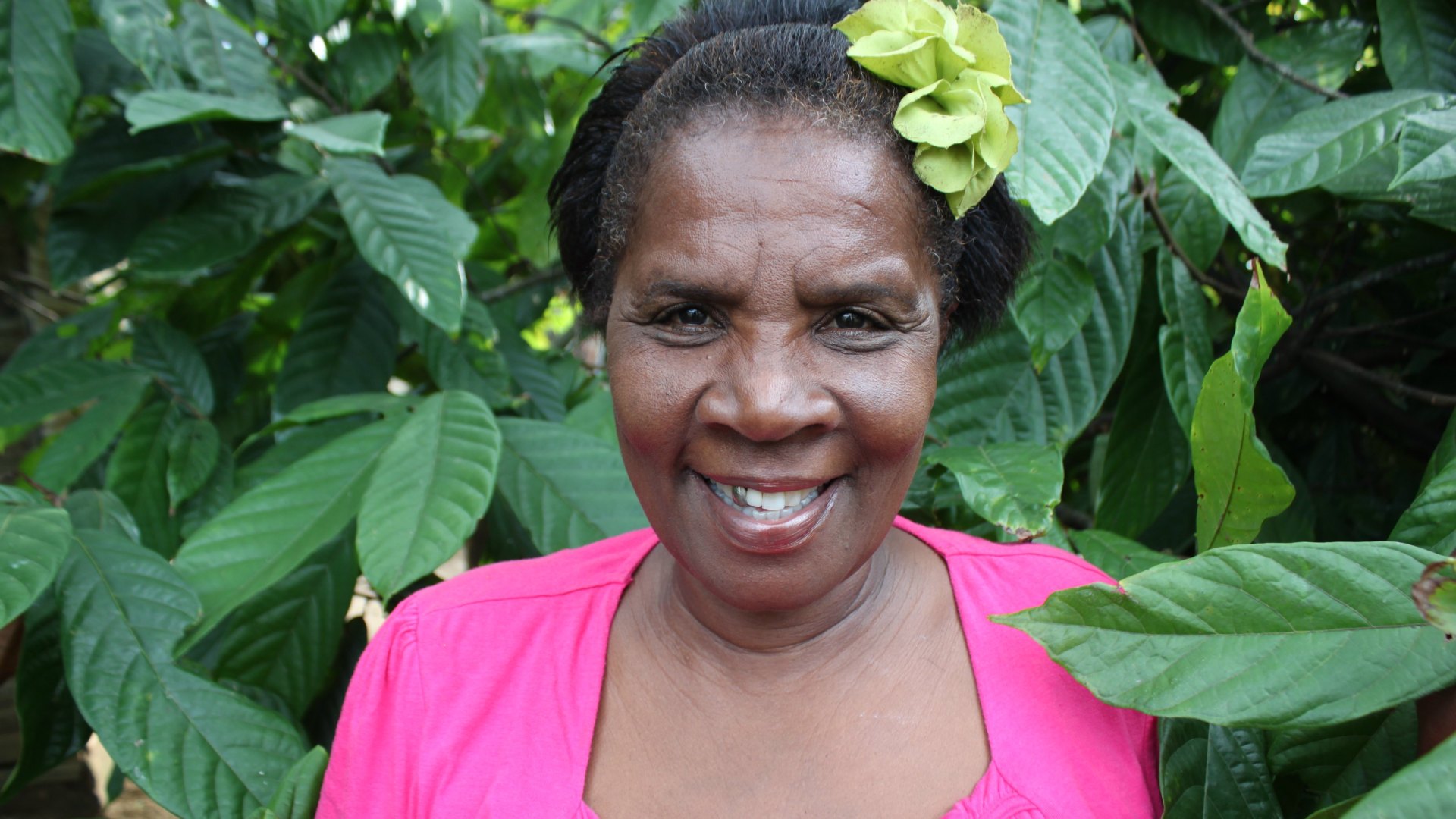
Women farmers are food security's secret weapon. A bit of support and education for female farmers can have huge ramifications. Agustina Reyes, who partners with the organization I work for, Plant With Purpose, is living proof of this. Before, Agustina struggled to raise her five boys on a small plot of land in rural Dominican Republic. But through access to sustainable agricultural training, she was equipped to maximize food production. Agustina now manages a thriving farm and has even opened a small grocery business on the side, running the store to help support her large family.
This is what shrinking the gender gap for female farmers looks like. Resources, whether they're small as seeds or broad as economic training, equip mothers and daughters and wives to use their own God-given talents and successfully lift themselves out of poverty.
Narrowing the gender gap requires advocating for our sisters who lack representation and supporting organizations that fight to give women the resources to feed their families and communities. Faith-based organizations like Plant With Purpose, Opportunity International, and Food for the Hungry work to provide support for subsistence farmers around the world, understanding that these families who rely on the land are particularly vulnerable to disparity and injustice.
The United Nation's declaration of 2014 as the International Year of Family Farming (IYFF) is another step in the right direction. IYFF means people are paying attention to disparity in an often-overlooked demographic and learning to celebrate the family farmers – male and female – who produce much of the world's food.
We in the U.S. tend to our gardens as a form of leisure. But for subsistence farmers around the world, the food they coax from the ground is life. Gender inequality in the developing world is more than inconvenient. For women farmers, it's a hunger issue, a justice issue, and an issue we're called to address when Jesus asks us to support "the least of these."
It's spring, and as I plant my garden boxes and wait for rain to cure our west coast drought, I'm praying God will set things right for our sisters around the world. And I'm praying we will be part of that solution – dedicated to providing resources for those who bend their backs daily over the earth. For women who farm the land, God's promise to come as rain must seem especially beautiful. The grace that falls from the sky sustains them, along with simple necessities like seeds, training, and good soil. In the end, these necessities sustain each one of us.
Annelise Jolley works for Plant With Purpose, a Christian nonprofit that alleviates poverty through environmental restoration. She appreciates stories and will drop everything for a leisurely breakfast, outdoor activities, and good conversation. Find her writing at annelisej.squarespace.com and trying to keep up with the Twitterverse at @AnneliseJolley.







