
It is perhaps the most famous sound in all of human history: lubdub, lubdub.
The beating of a heart is the soundtrack of life: lulling every infant and narrating our most glorious and ordinary days alike. It races with our fear, slows in our rest, skips with our joy, and pounds with our passions. While that muted double thump has sustained every human that has ever lived, it is the pause in between—that forgotten, expectant silence between beats—that sustains the heart itself. In this silence, our hearts are renewed; without this silence, they stop.
A single heart will have 2.5 billion beats over a lifetime, each one sending a rush of blood to our brains and bodies and giving us a few more seconds of life. Our dependence upon the function of the heart is much more immediate than on that of any other tissue. If the liver or kidneys fail, we may have days. If the lungs give up, we may have minutes or hours. But the moment the heart stops, we are gone, and only dramatic action can reverse it. So instead of recharging during long, languid periods of sleep like other organs, the heart takes its only break in the quick half second between pulses.
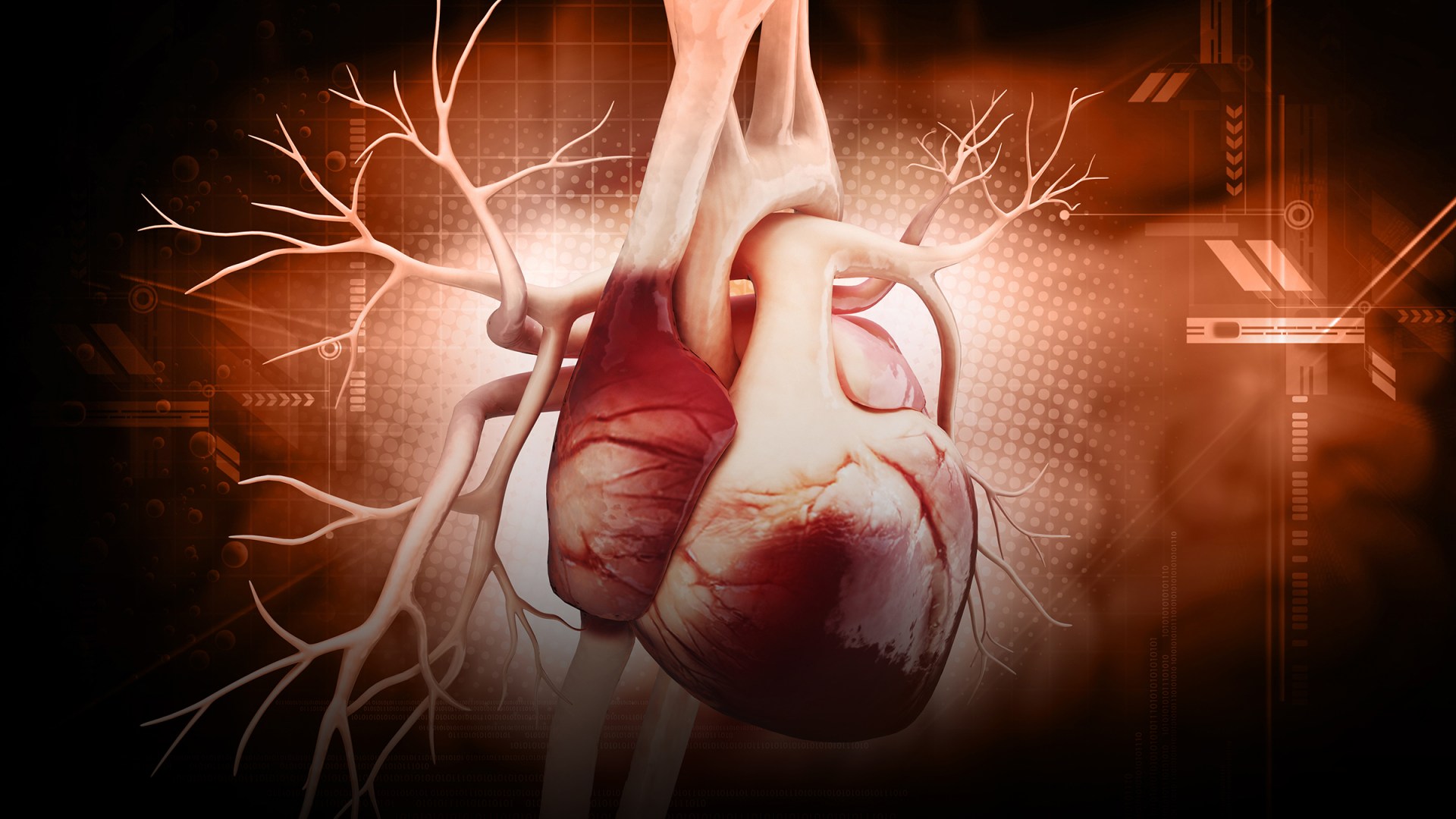
The word diastole comes from the Greek word for separation or expansion. It is the return to baseline—the rest—of the heart in between each contraction (systole). The heart has two pairs of chambers: the smaller atria (lub) that receive blood from the venous system and push it into the larger chambers called the ventricles (dub), the workhorses that pump blood out to the body. With each beat of the heart, the muscular walls of the ventricles squeeze together, forcing blood through the unidirectional valves and into the large-caliber aorta and pulmonary artery, the conduits to the rest of the body.
The walls of the heart themselves are a thick, meaty, muscular tissue composed of some of the most metabolically active cells in the body. Because the walls are too thick to obtain nourishment from the blood flowing through the pumping chambers, the heart has its own circulatory system, the coronary arteries. These vessels branch off the aorta just outside the one-way aortic valve and wrap around the surface of the heart, giving off small capillaries that burrow into the muscle to deliver nourishment and oxygen as needed. The lubdub of the heart infuses the body with life, nourishment, and oxygen, but that energetic squeeze paradoxically wrings the capillaries in the walls of the heart itself. As the muscular walls contract, the crush is so great that the capillaries collapse entirely, and the heart literally drains its own muscle of blood.
And then, for a moment, it is still.
Diastole is the passive stage when the heart rests. The muscular walls that had bunched together with the systolic action now relax and go flaccid, falling limp as the impulse to strain fades. The chambers flop back to their resting shape, and the voids that open as they do suddenly bulge as a surge of blood returns from circulation and flows into this new, negative-pressure space. The low pressure of the venous system—the other end of the circulatory loop and the source of blood for the heart—is enough to drive blood forward into the empty atria and ventricles as they lose the tone of systole. At the same time, the muscular heart wall relaxes, and the crushed coronary capillaries are allowed to expand again. Blood that had been pushed into the aorta backflows against the now closed aortic valve, and with nowhere else to go, it eddies into the open mouths of the coronary arteries. The heart’s own circulation system is flushed with new, oxygen-rich blood, and the muscle is restored.
In that quiet moment of diastole, the heart does very little for itself. It doesn’t pull blood into its chambers; it just waits to be refilled. It doesn’t pump blood through its own circulation system; it just relaxes enough to receive it. Diastole is not an achievement of the heart, yet it is so crucial that if cheated of it, the heart fails.
In sick hearts that cannot relax fully, the chambers themselves are never completely refilled. When the next contraction begins, the heart starts out with an inadequate volume of blood to pump, and the body suffers from poor circulation. Similarly, when the heart beats too fast because of malfunction or stress, the diastolic phase is the one that shortens. Without enough time to rest and expand, the heart cannot fill with blood well enough, and the resulting pumps are smaller and less effective, decreasing blood pressure in the rest of the body. With less time to fill its own capillary system and higher oxygen demand because of the increased work, the heart exceeds its own oxygen supply, and the heart muscle itself begins to break down. If this continues long enough, cardiac cells will begin to die, and these areas of cell death will become arrhythmogenic—meaning that they start contracting out of sync with the surrounding heart tissue. The heart will lose its natural, smooth rhythm and slip into a terminal, disorganized rhythm called ventricular fibrillation. It literally beats itself to death.
While not marked by noise or activity, diastole is as critical to our hearts’ functioning as the activity that precedes and follows it. The heart can do nothing to fill itself, and in its dependence on complete and good rest, we hear echoes of our God’s words to David, who, in the midst of war, is told to “be still, and know that I am God.” Be still and be filled.
Lindsay Stokes is an emergency physician living in Albany, New York.