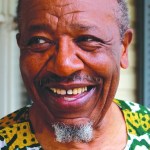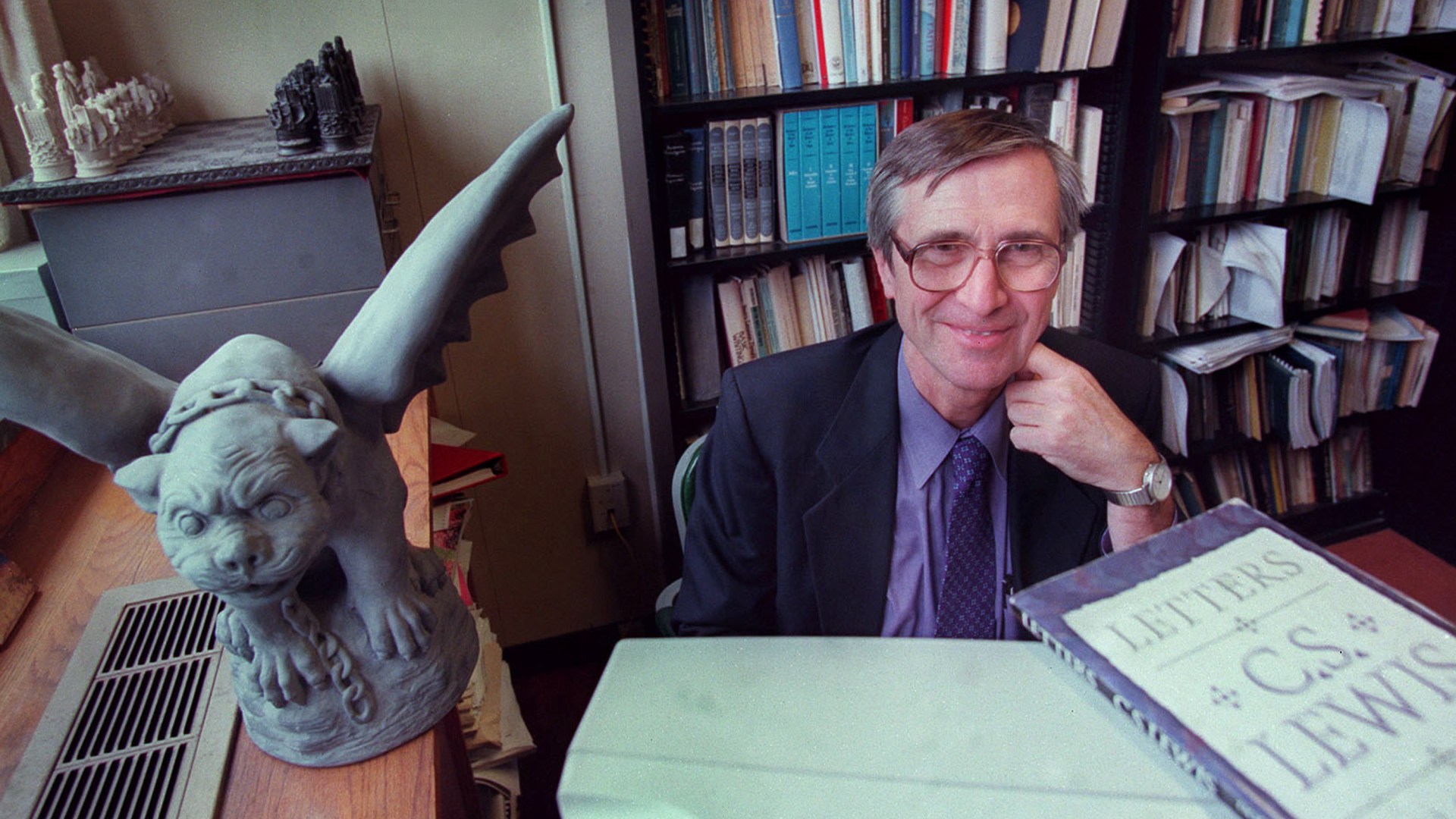
Christianity Today is by evangelicals and for evangelicals, but we learn from others—like Peter Kreeft, a Catholic professor who turned 89 Monday and has authored more than 100 books, including one entitled I Burned for Your Peace that unpacks Augustine’s Confessions.
Kreeft wrote that Augustine (AD 354–430) is “the major bridge between Catholics and Protestants. No other writer outside the Bible is so deeply loved and ‘claimed’ by ‘both sides’” of the Reformation. Augustine in the last third of his life encountered tragedies including the fall of Rome and the burning of the North African town in which he grew up. Kreeft similarly served as a bridge by teaching philosophy at both Catholic and Protestant schools and explaining the cultural as well as personal significance of abortion.
In Three Approaches to Abortion: A Thoughtful and Compassionate Guide to Today’s Most Controversial Issue, Kreeft laid groundwork for the eventual overturn of Roe v. Wade. In How to Destroy Western Civilization, Kreeft showed how having children is a civilization saver: Political attempts to make government-paid abortion part of health care were an attack on not only religious liberty but also civilization itself.
Those two books used the Socratic method on current policies and personal issues, but most of Kreeft’s writing digs deep below the headlines to excavate the reasons our culture is on fire. His 2024 book What Would Socrates Say? takes readers through major philosophical issues: rationalism versus empiricism, the mind-body problem, the nature of reality and the unreasonableness of moral relativism, and more.
Kreeft has degrees from Protestant and Catholic universities, Calvin and Fordham. He surveys the theological gaps and looks for ways to work together. Already past age 70 when we talked a lot from 2008 to 2011, he would rise early to take the train from Boston to New York City and would teach two three-hour philosophy seminars in a day at The King’s College, where I was provost. In between, he played chess with students or me.
Although Kreeft describes himself as “not a joy-full person,” he emanated a contentment that sometimes mystified students consumed by uncertainty. That experience may have contributed to what he wrote in a book published last year, The Mystery of Joy: “The lack of deep joy has been true of all times, places, and cultures since Eden. But it is especially true of this time and this culture.”
Maybe so, and his advice is helpful: “Joy is not essentially a feeling. … Joy is a marriage.” He writes of “God’s love as the cause of our deepest joy” and shows what can give us joy, including charity, communion, angels, beauty, art, music, and humor. Kreeft notes that “as every atom in our bodies is made of ‘star stuff,’ every event in our lives is made of ‘divine providence stuff.’”
Kreeft doesn’t minimize the hard stuff: While some words “seem beautiful on paper, our attempt to live them is a bloody mess of a war against the forces of selfishness, joylessness, faithlessness, hopelessness, and lovelessness, which are our real enemies and which have embedded themselves in our souls like little vampires sucking our lifeblood.”
But the closing words of The Mystery of Joy could well serve as Kreeft’s last will and testament. He describes life by quoting C. S. Lewis’s description of Aslan in Narnia: “‘He isn’t safe. But he’s good.’ For He is love, and love is not safe. In fact, it is excruciating. But it is our supreme joy. Do it! Be a saint. What else is there?”
Marvin Olasky is editor in chief of Christianity Today.