
Books
Review

Where the White Working Class Went Wrong

J. D. Vance loves his ‘hillbilly’ tribe—yet hates what they’ve become.

Joseph Sohm / Shutterstock

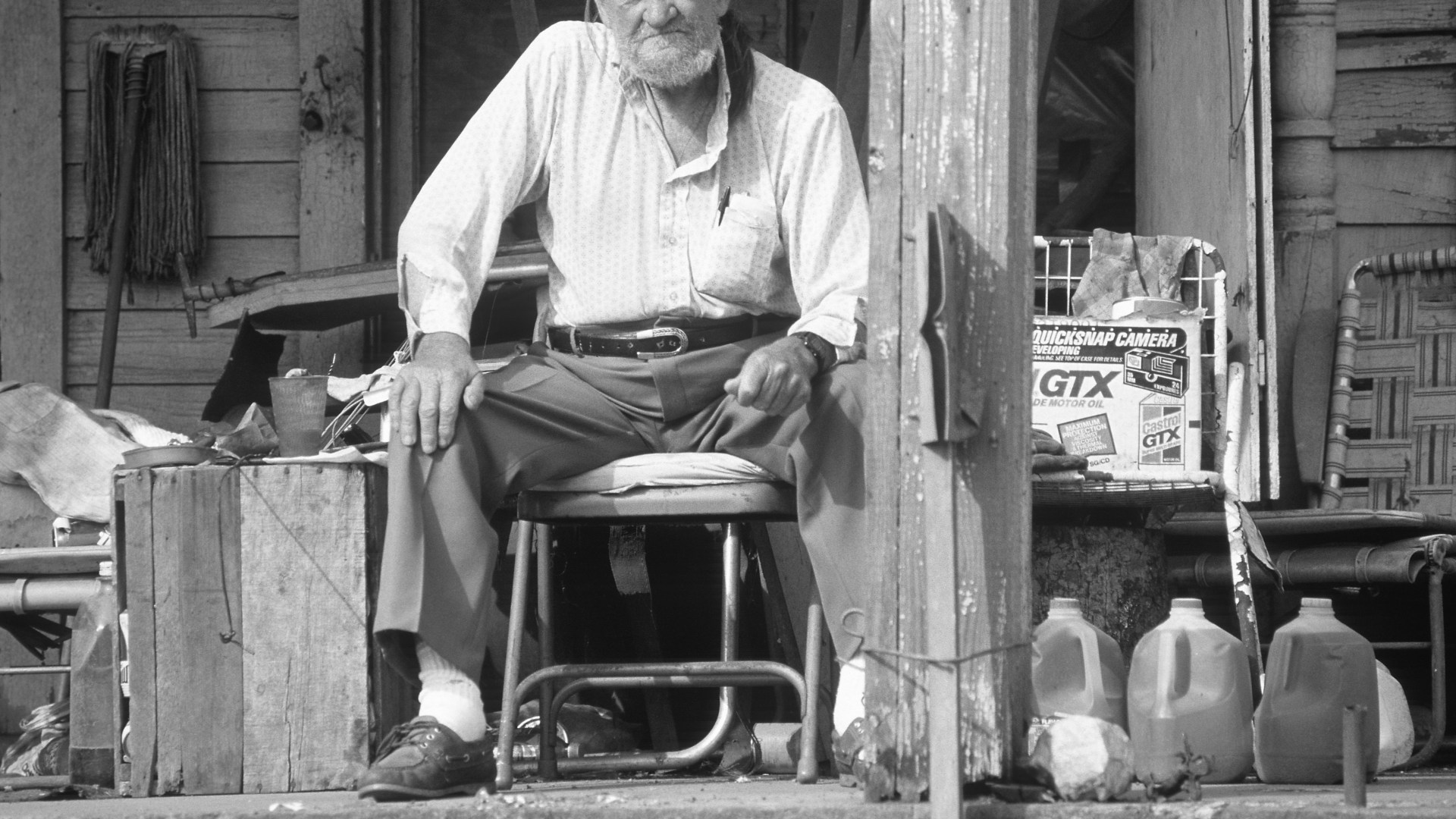
If you met J. D. Vance, you’d have a hard time believing he grew up among the working poor. The former Marine and graduate of Yale Law School works as a biotech executive in Silicon Valley—the last place you’d expect to find a self-identified hillbilly.

Hillbilly Elegy: A Memoir of a Family and Culture in Crisis

Hillbilly Elegy: A Memoir of a Family and Culture in Crisis

Harper

272 pages

$16.11

In Hillbilly Elegy: A Memoir of a Family and Culture in Crisis (Harper), Vance takes an anguished look at white working-class dysfunction: “I want people to understand what happens in the lives of the poor, and the psychological impact that spiritual and material poverty has on their children.”

The troubles of the working poor are well known to policymakers, but Vance offers an insider’s view of the problem. As one who “made it out,” he wants to bridge the gap between what those at the top believe those at the bottom need and what those at the bottom really need. “Powerful people,” he observes, “sometimes do things to help people like me without really understanding people like me.”

Vance’s story begins in Kentucky, home to aunts, uncles, and cousins who stayed behind when his grandparents moved to Ohio to work in the steel mills. Steeped in Appalachian culture, these transplants found it hard to shake certain ancestral vices. Vance’s parents split while he was young, and his mother battled substance abuse while cycling through romantic partners.

This meant Vance had multiple “fathers” and shifting versions of “family.” He was never being sure how to answer simple questions like, “How many brothers and sisters do you have?” “The constant moving and fighting,” Vance writes, “the seemingly endless carousel of new people I had to meet, learn to love, and then forget: This—and not my subpar public school—was the real barrier to opportunity.”

After a run-in with social services, Vance eventually moved in with his grandmother (Mamaw), gaining enough stability to graduate high school. Despite good grades and scholarships, Vance initially opted for the Marines over college. Only then did he begin to overcome his community’s “learned helplessness”—the belief that no matter how hard you work, you cannot change your life.

Vance is not ashamed of his roots. But he cannot abide the suspicion of institutions and outsiders. Nor can he tolerate his people’s quickness to blame others for their problems and their certainty that the deck is stacked against them. Such perspectives help explain the white working class’s attachment to political leaders who promise good jobs, better lives, and protection from outsiders. When you lose hope that you can better your own circumstances, someone else has to do it for you.

The Marines taught Vance that his choices could bring success. The military gave him the self-respect that comes from earning a solid wage and providing for an extended family: “To laugh and joke with the people I loved most as they scarfed down the meal that I’d provided gave me a feeling of joy and accomplishment that words can’t possibly describe.”

Throughout Hillbilly Elegy, Vance chronicles a complicated relationship with Christianity. While Mamaw read the Bible faithfully and taught him to trust Jesus, she believed the organized church, like other institutions, was run by a “bunch of crooks.” Similar attitudes may depress church attendance rates among the working poor, but Vance sees a deeper problem. Can a child born into poverty “access a church that teaches him lessons of Christian love, family, and purpose that his own life often deprives him of”?

Those involved in ministry could take a harder look at aspects of church life that might hinder “the least of these.” Are our children’s and youth programs premised on stability at home? Do our discipleship programs assume a certain educational level? Does the church operate on “banker’s hours”?

Like so many social quandaries, the hillbillies’ plight has no simple solution. But that’s no reason to quit cultivating churches that welcome and honor the working poor. “The message of Christian love,” writes Vance, “might just save kids like me before it’s too late.”

Hannah Anderson is the author of Made for More: An Invitation to Live in God’s Image (Moody) and the forthcoming Humble Roots: How Humility Nourishes and Grounds Your Soul (Moody). She lives with her family in Virginia’s Blue Ridge Mountains.


Also in this issue

The CT archives are a rich treasure of biblical wisdom and insight from our past. Some things we would say differently today, and some stances we've changed. But overall, we're amazed at how relevant so much of this content is. We trust that you'll find it a helpful resource.

Cover Story

CT Makers: 20 of the Most Creative Christians We Know

Editorial

Andy Crouch: Stop Engaging 'The Culture,' Because It Doesn't Exist

Kulandei Francis

Dorcas Cheng-Tozun

New & Noteworthy Books

Matt Reynolds

My Top 5 Books on Faith and Football

Ted Kluck

Review

D. L. Mayfield: ‘What If I Made Everything Worse?'

Aleah Marsden

Ajith Fernando: How Church Leaders Can Serve God's Family Without Neglecting Their Own

Interview by Megan Hill

Manny Pacquiao, Championship Boxer, Has a New Opponent: Philippine Poverty

Andrew Johnson

Testimony

Professional Soccer Was My God

Gavin Peacock

Creating for Good

Catalina Bellizzi

Health Is About Way More Than Weight

Matthew Loftus

Why Christians Should End Their Search for 'Relevance'

Mark Sayers

Porn Is More Criticized and More Popular Than Ever

Halee Gray Scott

Excerpt

Why Every Christian Should Be Ambitious

News

Preventative Play: Sesame Street and World Vision in Zambia

Let Deuteronomy Awaken Your Inner Child

Myrto Theocharous

Why Married Sex Is Social Justice

Bruce Wydick

Reply All

How Neuroscience—and the Bible—Explain Shame

Interview by Rob Moll

The Gift of My Anxiety

Laura Turner

Myquillyn Smith

News

Who Gets to Count That Convert?

Sarah Eekhoff Zylstra

News

NGO No-Go: More Countries Make Christian Charity Harder to Give and Receive

News

Gleanings: July/August 2016

CT Staff

Chris and Will Haughey

Andrew Peterson

Lara Casey

Megan White Mukuria

Dorcas Cheng-Tozun

Jeremy Cowart

Eric Wowoh

Christine Moseley

Dorcas Cheng-Tozun

News

Releasing God's Word: Do Copyrights Help or Hurt Bible Translation?

Sarah Eekhoff Zylstra

Ryan and Amy Green

David Bailey

Kate Shellnutt and Andie Roeder Moody

Pete Docter

Enoch Ho

Dorcas Cheng-Tozun

Rebecca Bradley

Nury Vittachi

Dorcas Cheng-Tozun

Jon Batiste

Sajan George

Dorcas Cheng-Tozun

Alex Medina

Becca Stevens

View issue

Our Latest

‘Saint Nicholas Is Our Guy’

A conversation with printmaker Ned Bustard on what traditions teach about the joy of generosity.

Lord Over LinkedIn

Jacob Zerkle

As layoffs mount amid economic uncertainty, lots of us are looking for work. Here’s how to approach the process.

‘A Shot Came Out of Nowhere’

CT reported on the assassination of a president, a Supreme Court ban on Bible-reading in schools, and Martin Luther King Jr.’s “I Have a Dream” speech.

Review

Looking Back 100 Years

John Fea

Three history books to read this month.

The Bulletin

National Guard Shooting, a Bad Deal for Ukraine, and US War Crimes?

Mike Cosper, Russell Moore

Asylum-seeking paused after shooting tragedy, Russia rejects peace plan, and Hegseth scrutinized for Venezuelan boat attacks.

The 12 Neglected Movies of Christmas

Nathaniel Bell

The quest for a perfect fruitcake, a petty larcenist, and a sly Scottish dramedy should all grace your small screen this season.

News

Amid Peace Talks, Russian Drone Damages Christian School in Kyiv

Ukrainians are wary of any plan that gives Moscow its “Christmas wish list.”

Make Faith Plausible Again

Bryce Hales

A peculiar hospitality can awaken faith in our secular contexts.

Apple PodcastsDown ArrowDown ArrowDown Arrowarrow_left_altLeft ArrowLeft ArrowRight ArrowRight ArrowRight Arrowarrow_up_altUp ArrowUp ArrowAvailable at Amazoncaret-downCloseCloseEmailEmailExpandExpandExternalExternalFacebookfacebook-squareGiftGiftGooglegoogleGoogle KeephamburgerInstagraminstagram-squareLinkLinklinkedin-squareListenListenListenChristianity TodayCT Creative Studio Logologo_orgMegaphoneMenuMenupausePinterestPlayPlayPocketPodcastRSSRSSSaveSaveSaveSearchSearchsearchSpotifyStitcherTelegramTable of ContentsTable of Contentstwitter-squareWhatsAppXYouTubeYouTube