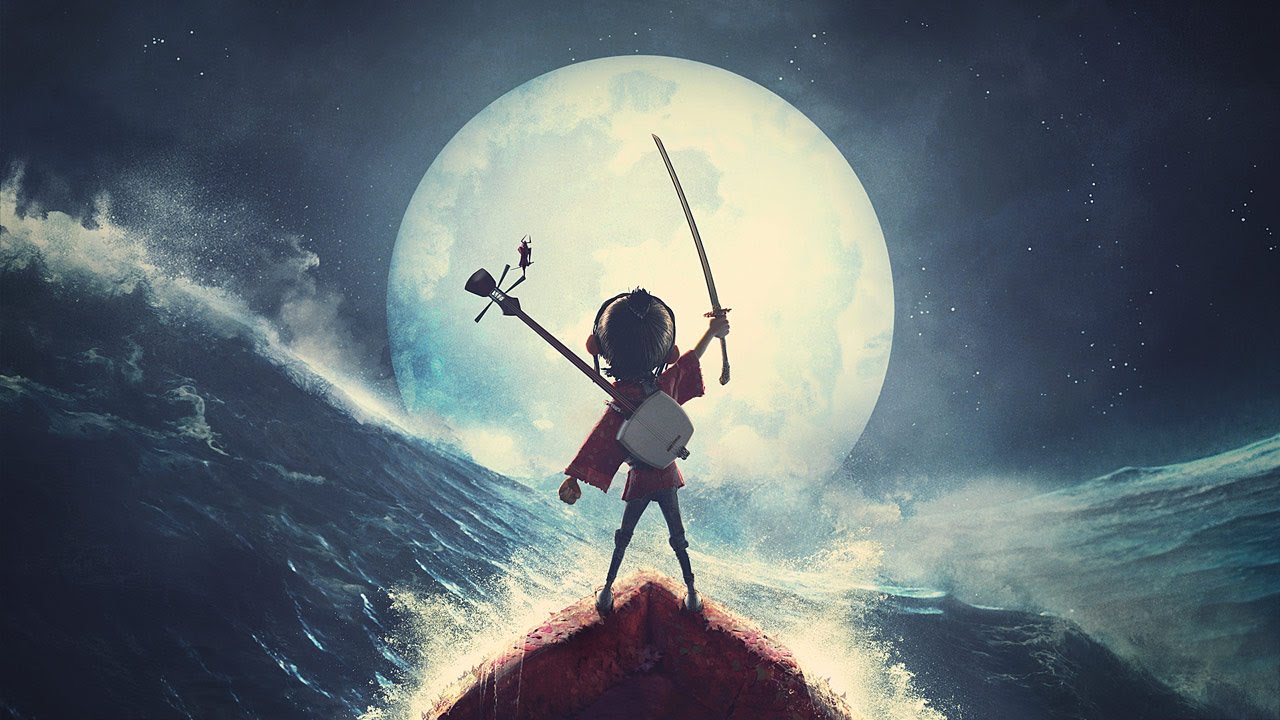
I've seen a whole string of lovely family-oriented films this summer (don't miss The Little Prince on Netflix!), but Kubo and the Two Strings might be the most stunning.
Laika, the studio which produced the film, also made Coraline, Corpse Bride, ParaNorman, and The Boxtrolls—all animated films aimed at kids, but with a thread of darkness running through them, more than your average children's movie. Often, it's as if they note the dangers kids sense around every corner and take them seriously, confronting them head-on rather than simply making light of them.
 Focus Features
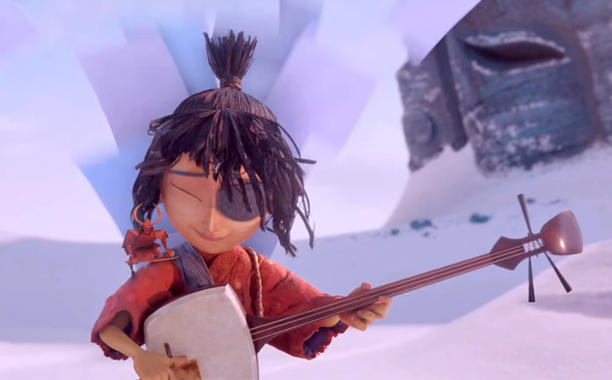
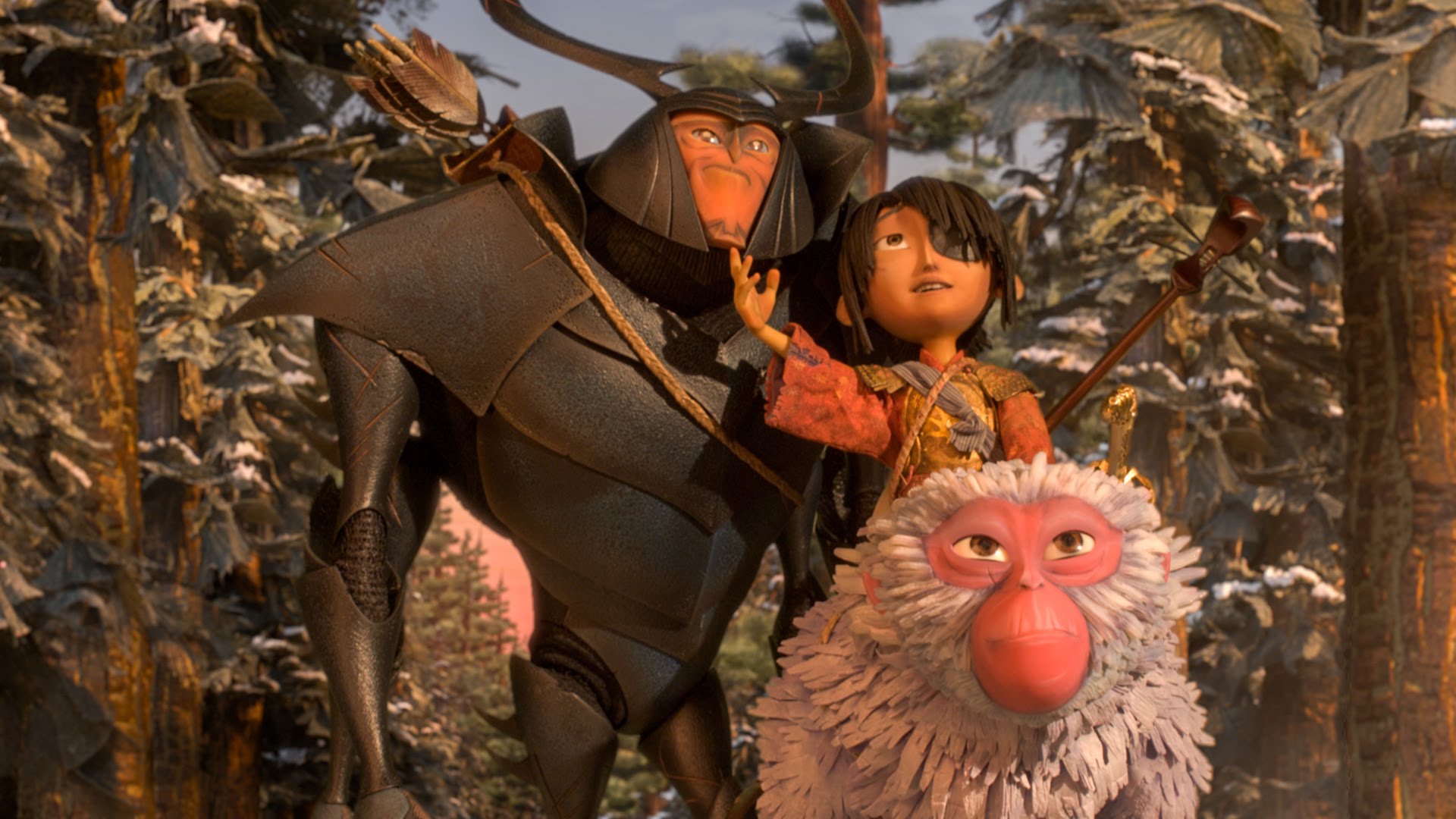
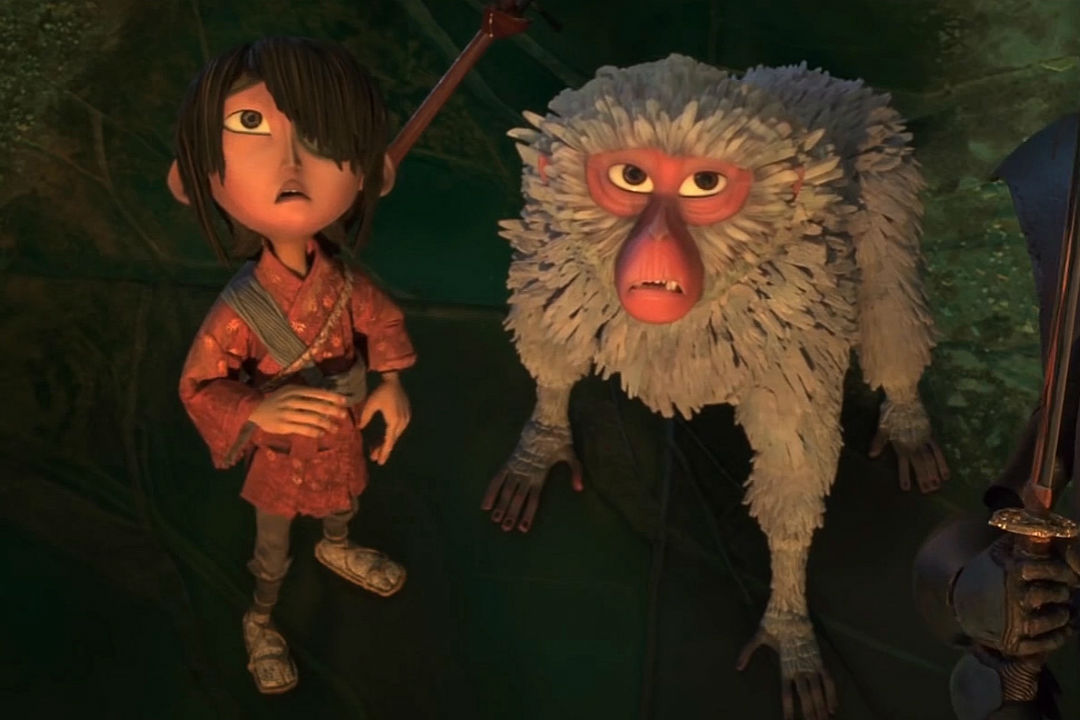
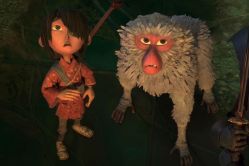
Kubo and the Two Strings follows this pattern, with a solidly Japanese flair. Kubo, the child at the film's center, lives peacefully in a cave with his mother, venturing out most days to perform origami-and-flute-aided stories in the town center, always coming home before the sun sets. But his family has a dark secret, and Kubo has to unlock their legacy, with the help of some companions he gains along the way. (Characters are voiced by Charlize Theron, Matthew McConaughey, Ralph Fiennes, and Rooney Mara, among others.)
 Focus Features
The film centers on a religious concept of honoring one's elders, and it's filled with magic and enchantment, coming off more as a legend than a simple tale. (Of course, some CT readers will want to discuss the religious aspects of the story with their children afterwards.) But Kubo and the Two Strings bends that mostly-Eastern custom around to a more universal sentiment: that the memories of lost loved ones stay with us, and can serve as protection and guidance when life becomes frightening or we meet enemies. That we lose our loved ones, but they never lose us. The stories we are living are influenced and shaped by the stories our predecessors lived. It's an old story, simply told.
 Focus Features
Kubo does become frightening at times; a set of witch-like characters appear in a few scenes. But what really makes Kubo and the Two Strings worth seeing—and definitely seeing in 3-D—is its inspired, meticulous animation, which combines stop-motion, digital effects, and frankly, I don't even know what kind of wizardry for shot after shot that took my breath away, whether it was a flotilla of glowing lanterns moving downstream or just the expression in a monkey's eye. I wanted to frame it all and hang it on the wall. With lesser attention to the artwork, Kubo and the Two Strings could have swerved dangerously close to sentimentality, but if you want a good sense of the potential of the medium, there's no film better.
Alissa Wilkinson is Christianity Today’s critic at large and an associate professor of English and humanities at The King’s College in New York City. She is co-author, with Robert Joustra, of How to Survive the Apocalypse: Zombies, Cylons, Faith, and Politics at the End of the World (Eerdmans). She tweets @alissamarie.