






One of my favorite musicians was about an hour into his set at a recent concert. His typically pithy stage patter began to lengthen, and it was evident we’d come to the part of the show required of any credible Christian act today: the charity sales pitch.
He eloquently argued the case for child sponsorship with impressive originality. But his story followed a familiar structure. First, shatter the listeners’ worldview by showing them overwhelming injustice they feel powerless to address. Then present the listeners with a way out—your solution. Finally, tell a story that validates your solution and empower the listeners to go forth and wield it for good.
Every marketing director worth her salt knows this fundraising formula. Studies have shown that it works. Studies also tell us that tales of impoverished girls generally raise more money than stories of boys and that donors are most reluctant to open their checkbooks for grown men.
That fundraisers make emotional entreaties should not make us cynics about charity. So do marketers who sell us iPhones and frozen pizzas, yet we still buy such things. But unlike a phone, which we can evaluate and decide to keep or return, charity has few feedback loops. For most of us, it’s impossible to determine if our investment produced real results. So the classic fundraising story serves as both sales pitch and satisfaction survey all in one. If we feel good about our donation, we tell ourselves it made a difference.
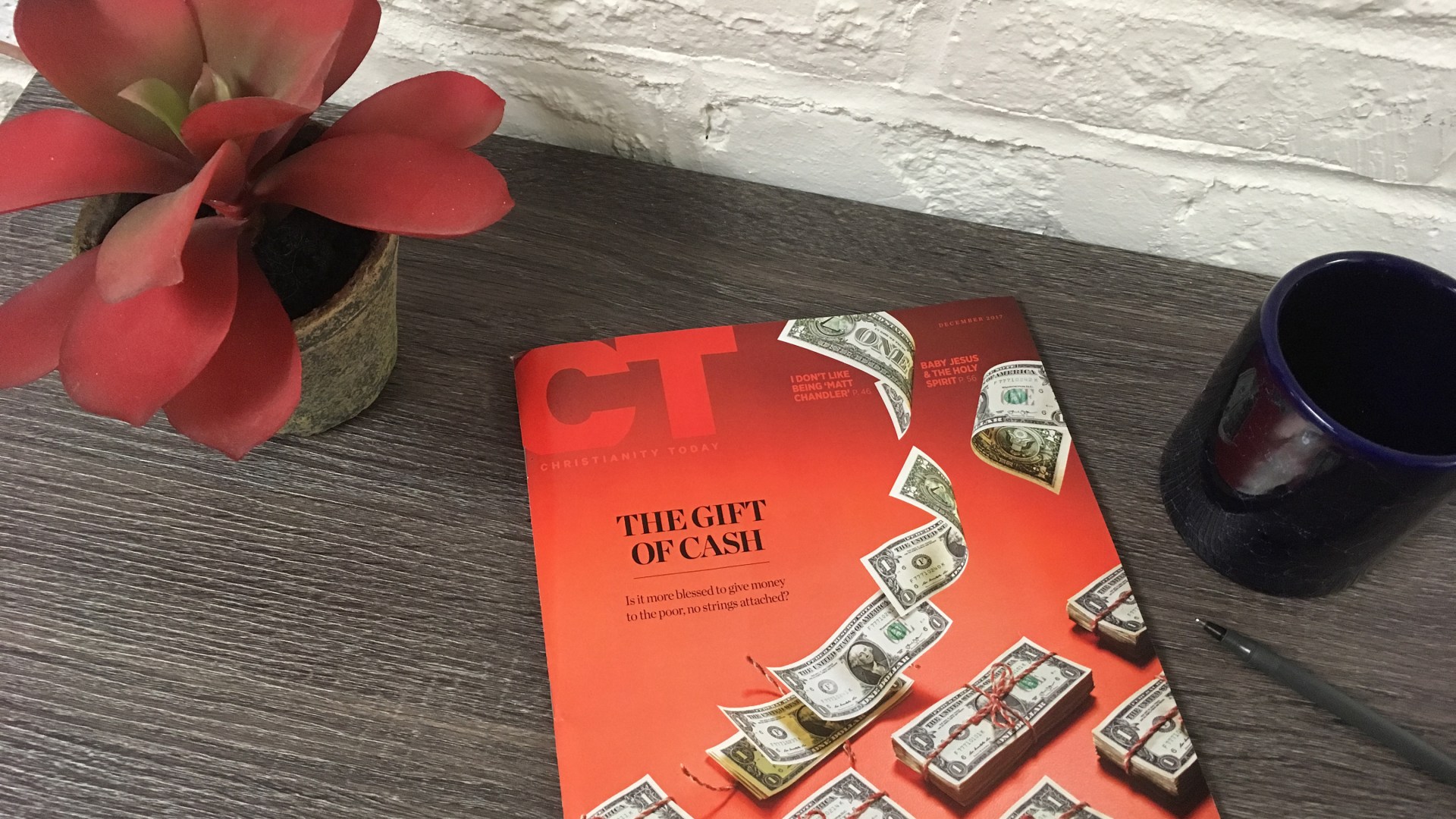
Until now. In recent decades, the nonprofit world has made dramatic strides in evaluating the effectiveness of the programs we give to, especially when it comes to international giving. We’re learning what actually works, like certain forms of child sponsorship. We’re learning what doesn’t work, like donating shoes and clothing. And as our cover story explores, we’re challenging some of our long-held assumptions about the poor.
This is great news for Christians who, because of the grace the gospel, are compelled to give generously to the work of the church at home and abroad. We have more tools than ever to evaluate our giving choices and best steward the wealth entrusted to us. Certainly, the widow’s mite will not be subject to the same scrutiny as the philanthropist’s millions, nor will the upstart nonprofit employ economists to audit its every good deed. But we can consider all efforts, large and small, in light of what we are rapidly learning about how to best help the poor.
Which, in turn, may make the next musician’s charity sales pitch even more moving.
Andy Olsen is Managing Editor of Christianity Today magazine. Follow him on Twitter @AndyROlsen.







