“Should we cancel or change the way we serve Communion?” The question arose in our weekly staff meeting. Fear from the coronavirus (COVID-19) outbreak consumed the hearts of our pastors. Our church sits at the intersection of Chinatown and the Lower East Side in New York City. We have a thriving outreach to international Chinese students at nearby New York University. Several days earlier, these overseas students returned from China for their spring semester.
To welcome them back, our church planned a significant fellowship event. Although there were no confirmed cases of the coronavirus in New York City, we canceled the event for fear of contagion. Some of our pastors had experienced the effects of the 2003 SARS epidemic on their communities in China; their worries were legitimate. Due to heightened global coverage of COVID-19, many stateside Chinese Churches scratched Lunar New Year events, prayer meetings, and other ministries. Protecting their congregations and families was a top priority.
Still, the returning Chinese students desired to worship, gather for fellowship, and pray. One student in particular approached me in tears: Would I pray for the health of her family, friends, and neighbors in China? As I laid hands on her and prayed, I realized the duplicity of our church’s pending decisions. How could we say we loved our neighbors yet consider shutting our doors in their time of greatest need? If we believed in a Savior who healed the sick, bestowed sight to the blind, and touched lepers, why did we doubt his power to reign over this coronavirus?
I am a former Centers for Disease Control and Prevention medical officer and global health professor. Now, as a pastor, I believe the church must lead in love rather than be manipulated by stigma. We are called to provide compassion instead of cowering in fear. Churches must trust sound theology, science, and public health instead of succumbing to rumors and hysteria from social media. Denominations, churches, and believers can play a vital role during outbreaks, epidemics, and other diseases.
There are a number of steps we can take.
Raise Public Health Awareness
Provide educational messaging on transmission, symptoms, prevention, and treatment of the coronavirus. Despite the increasing global health crisis and panic among many in the United States, the CDC has reported only 14 individuals testing positive for COVID-19 as of February 12, with 347 negative and 66 pending results. It remains an emerging situation closely monitored by public health officials. Churches can disseminate sound recommendations while helping inform and allay concerns of members anxious over COVID-19.
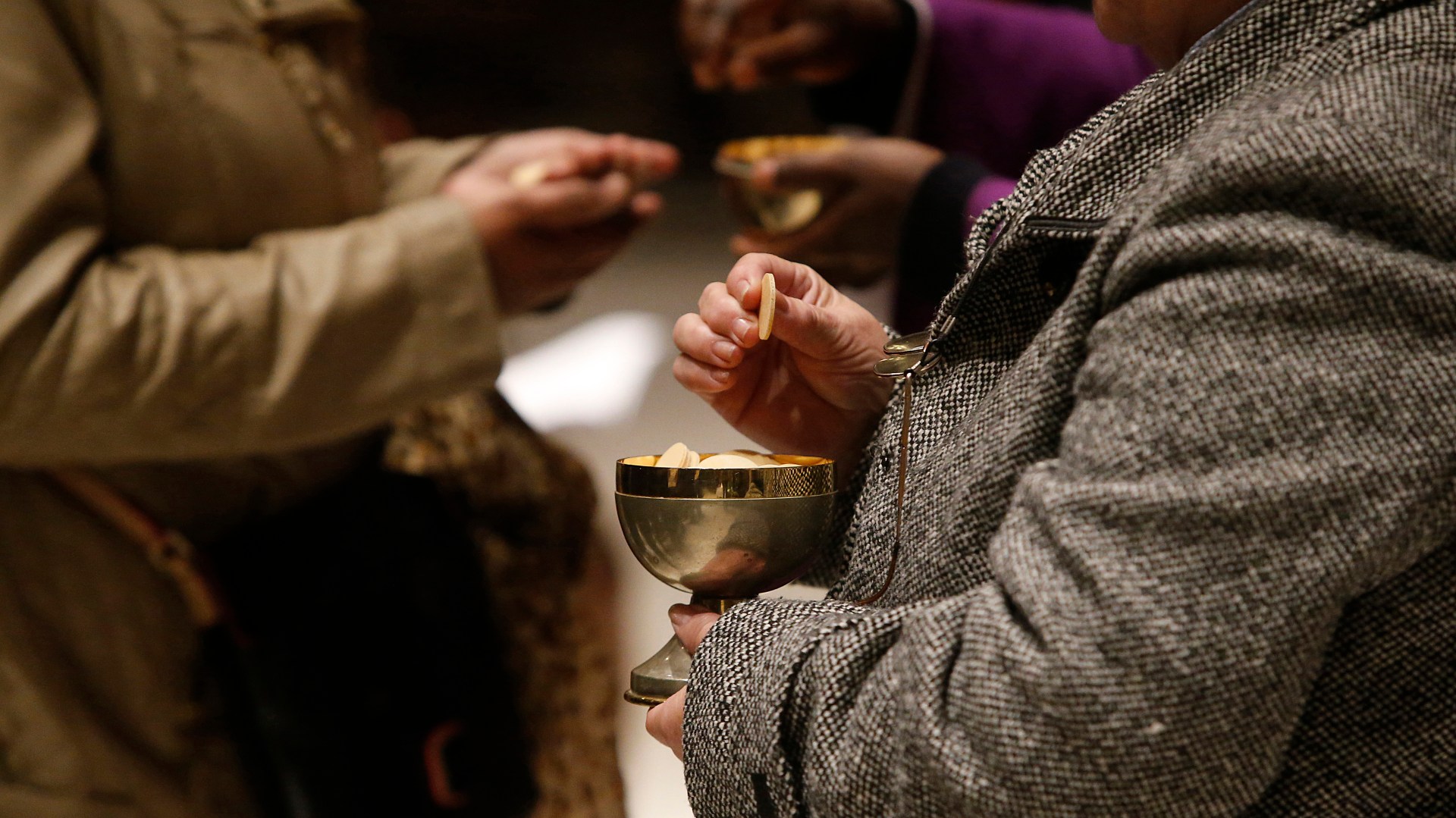
Many Chinese pastors in the US have begun implementing their own measures, such as wearing masks during worship, suspending handshakes, and adjusting their Communion practices. Within our own church, we debated the need to officiate Communion differently. Currently, we serve broken pieces of bread on a Communion tray together with individual flasks of juice. As a medical doctor and epidemiologist, I am open to serving Communion more hygienically; but first, pastors need to better understand the COVID-19 transmission risk.
Though still under investigation by health officials, COVID-19 is a part of a large family of viruses common to animals and humans. Transmission for typical coronaviruses occurs primarily via respiratory droplets from infected persons via coughing or sneezing. Preventive measures should therefore include washing hands with soap and water, covering coughs, and refraining from touching facial orifices with dirty hands. Common sense tells us that we should stay home when feeling ill and avoid those who appear sick.
“We want to lean forward and be aggressive, but we want our actions to be evidence-based and appropriate to the current circumstance,” Nancy Messonnier, director of the CDC’s National Center for Immunization and Respiratory Diseases, said during a January 31 press conference. “For example, CDC does not currently recommend the use of face masks for the general public. The virus is not spreading in the general community.”
Likewise, now is not the time to change Communion, congregational greetings, and other pastoral duties. The CDC does not advise abandoning worship, fellowship, or other ministry activities. However, the CDC and the Department of Health and Human Services does currently require travelers from China to be monitored for up to 14 days upon arrival to the US. Depending on the individual’s level of risk, some may be asked to restrict their movement or limit contact with others.
As the situation unfolds, pastors should monitor federal, state, and local health department recommendations. Additional concerns should be addressed to health care professionals or local health departments. By actively keeping up to date, posting flyers, and announcing key recommendations during worship services and gatherings, churches can help congregations deal with COVID-19 effectively. Good communication will provide peace, pacify worry, and offer hope.
Care for the Vulnerable
In New Testament times, leprosy was among the most feared and devastating of illnesses. Lepers were typically quarantined and ostracized by the public. Jesus did not run from people with leprosy. He reached out his hand to heal. Jesus could have healed by word alone and avoided contact, but instead he extended love though the power of human touch.
During Jesus’ earthly ministry, physical contact was a common means of his healing. With a leper, Jesus risked what others would have feared as both contamination and ritual defilement (Matt. 8:2–3). Like Jesus, we should not be afraid of those who are sick with COVID-19. We need to draw near when they are most vulnerable.
This doesn’t mean we are to be reckless in our care of the sick. While working with the Ebola outbreak with the Centers for Disease Control, health care providers took the utmost precautions to protect themselves from contracting the deadly disease. Personal protective equipment included fluid-resistant and impermeable gowns, face shields, gloves, and shoe covers. Often, it took hours preparing to see patients and then doff protective equipment. In their greatest affliction and anguish, affected patients were not allowed consolation by the hug or kiss of family members. During these lonely moments, Ebola patients were thankful for the thoughtful, human touch of health care providers, even within the limits of protective equipment. For some, this would be the last touch they’d ever receive.
Jesus calls us to be his hands, feet, and voice to those who suffer illness. Sometimes, for us, this may mean consulting professionals who possess knowledge beyond our own expertise. It may mean taking precautionary measures in consideration of public health concerns. But it should never mean ostracizing those who desire to meet the Risen King. Instead of running away, we should move toward the ailing with the gospel.
Combat Stigma and Xenophobia
As Christians, we unify across racial, ethnic, and cultural boundaries. Recently, CNN showed a front-page title in a French magazine article on the outbreak. In bold, block letters were the words “Yellow Alert” and “New Yellow Peril?” Though the magazine eventually apologized, the damage from the racist epithets was already done. Among the streets of Chinatown, New York, people avoid Chinese speakers and worry if it is safe to eat at restaurants in the neighborhood. Xenophobia has resurfaced over Chinese culinary habits, such as eating exotic wildlife like snakes, rats, hedgehogs, and bats.
It is all too easy to judge others based on the color of their skin, a misunderstanding of their language, or misconstrued cultural practices. Yet, as a church, we are called to love our neighbors as ourselves regardless of race, ethnicity, or culture. Though circumstances may be exceedingly delicate during health crises, it is possible through honest conversations and the sharing of culture to dispel rumors. The church can take a stand against rhetoric that reinforces stereotypes while offering Christlike empathy to those at its doorsteps.
Stephen Ko is the senior pastor at New York Chinese Alliance Church, an adjunct professor at Alliance Theological Seminary, and formerly a CDC medical officer and professor of global health at Boston University.
Speaking Out is Christianity Today's guest opinion column and (unlike an editorial) does not necessarily represent the opinion of the magazine.