In less than seven weeks of war last fall, fighting over the enclave of Nagorno-Karabakh, known to Armenians as Artsakh, cost thousands of lives and created tens of thousands of refugees.
It also left a wealth of Christian monuments in the balance.
Below is a photo slideshow of the six sites most at risk as their final status and access is still being negotiated. But first, a summary of why Armenians fear the fate of their heritage.
The mountainous region, smaller than the state of Delaware, has historically been home to a majority Armenian population. During the Soviet Union, it had been given special status as an “autonomous oblast”—a semi-independent region—placed within the Soviet Republic of Azerbaijan.
Putting an Armenian Christian region within the borders of an Azeri Muslim country was no accident. It was part of Josef Stalin’s “divide and conquer” strategy in the 1920s, deliberately drawing Soviet borders that would foment ethnic tension and make smaller republics easier to control. The Armenians, who were the first to declare Christianity as their national religion in A.D. 301, had a heritage of ancient churches, monasteries, and cross-stones dotting the landscape of Nagorno-Karabakh.
In 1991, just before the Soviet Union collapsed, the majority Armenian population of the region voted for independence and declared their own independent state. It accelerated violent tensions with their Azeri neighbors, resulting in an all-out war from 1992 to 1994. Scores were killed on both sides. Hundreds of thousands of Azerbaijanis were displaced from their homes in and around Nagorno-Karabakh. The two peoples, many of them longtime neighbors and friends, no longer trusted each other enough for peaceful coexistence.
On November 10, 2020, the two sides arrived at a ceasefire which split Nagorno-Karabakh into two territories: one controlled by Azerbaijan, the other controlled by ethnic Armenians. Alongside the devastating toll of human life and personal loss, it left panicked Armenians wondering:
What will happen to the churches now left on the Azeri side?
Given the long history of vandalism and destruction of Armenian churches within Azerbaijan and Turkey, many scholars, historians, and clergy have raised alarm over heritage protection. The coming months and years will determine whether these churches remain intact, after centuries of worship by Armenian faithful.
Here are six sacred sites, located in territories now given to Azerbaijan, that concern Armenian Christians most:
6. St. Yeghishe Arakyal Monastery
Location: Martakert/Aghdara [in Armenian/in Azeri]
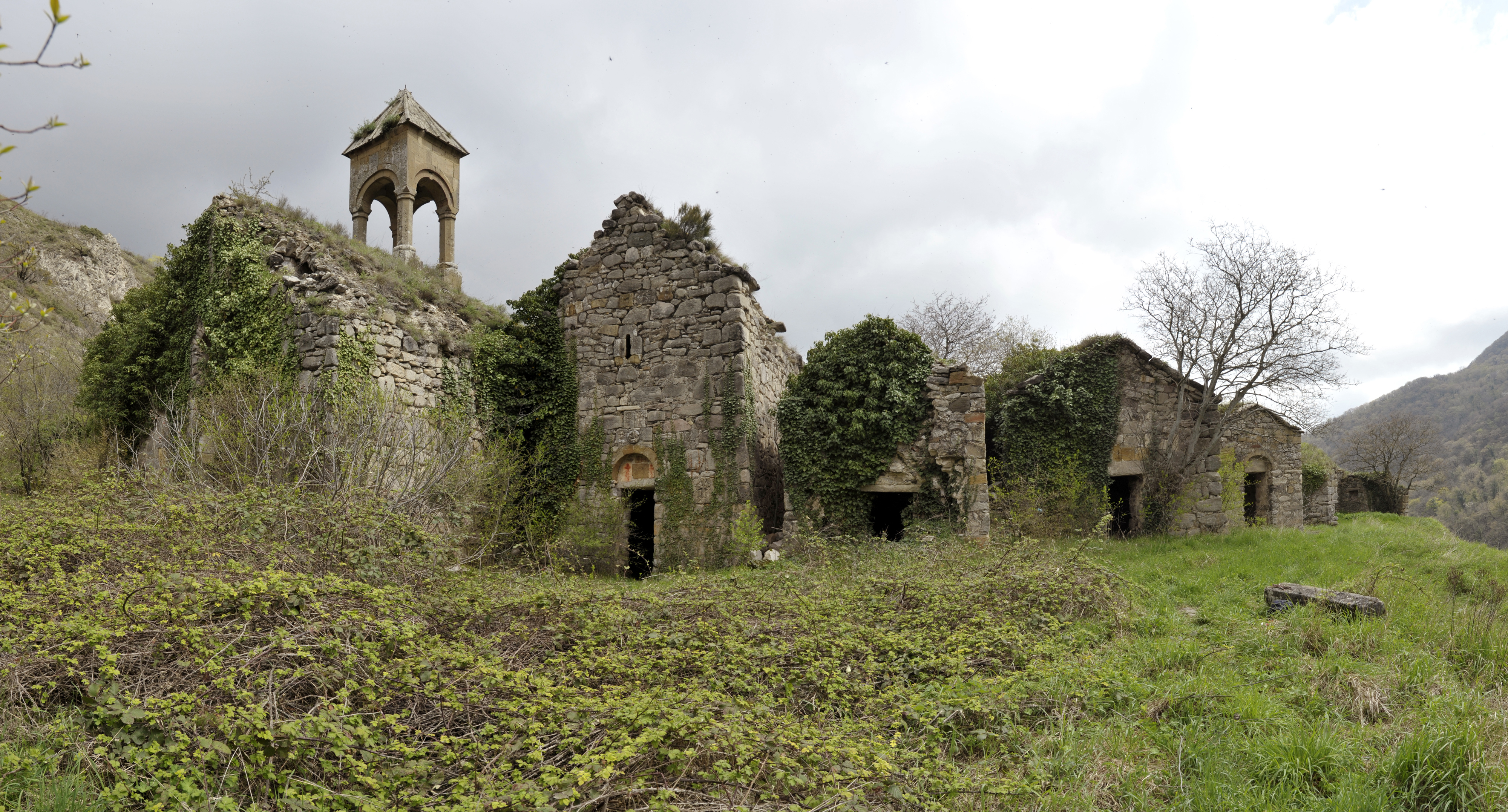
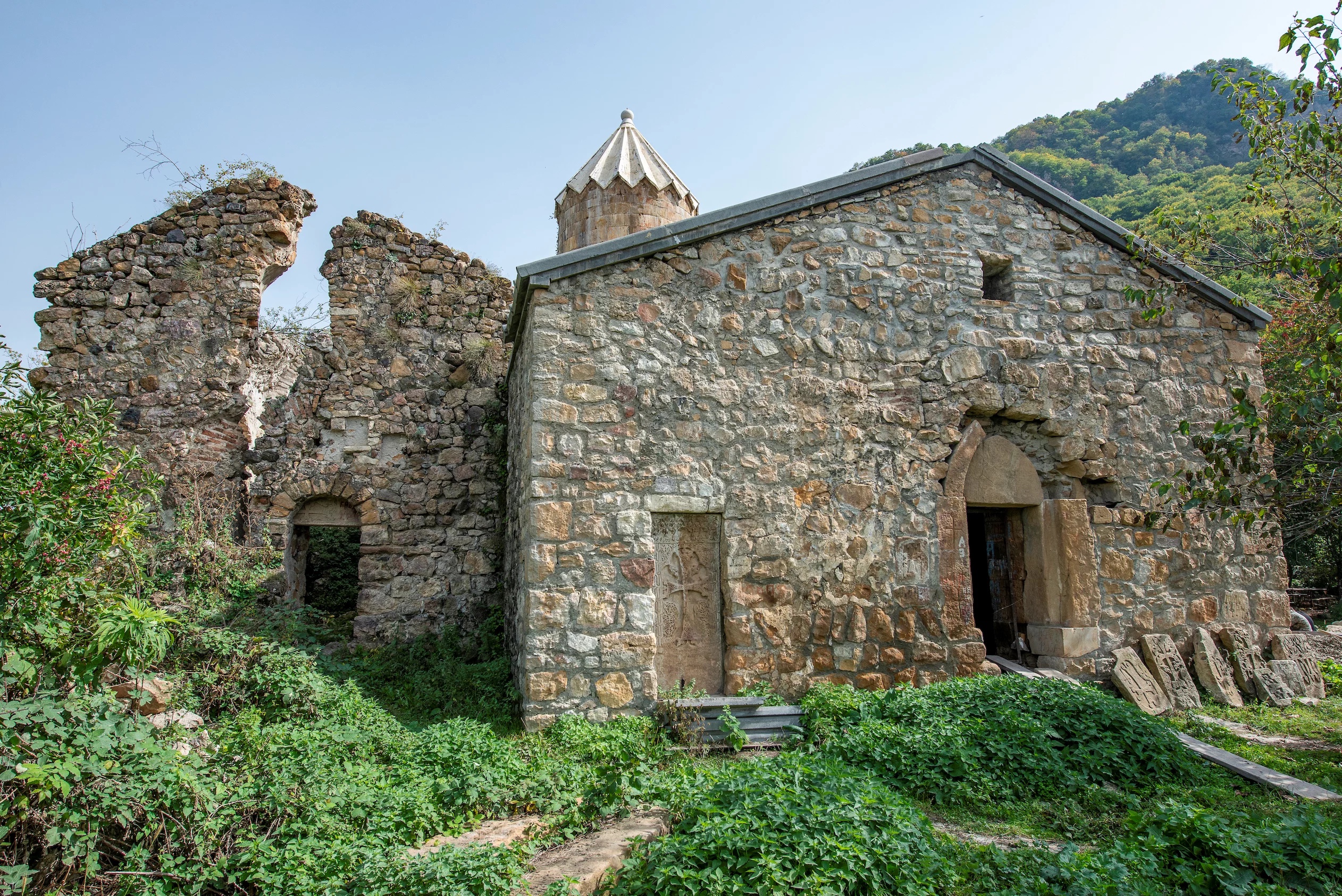
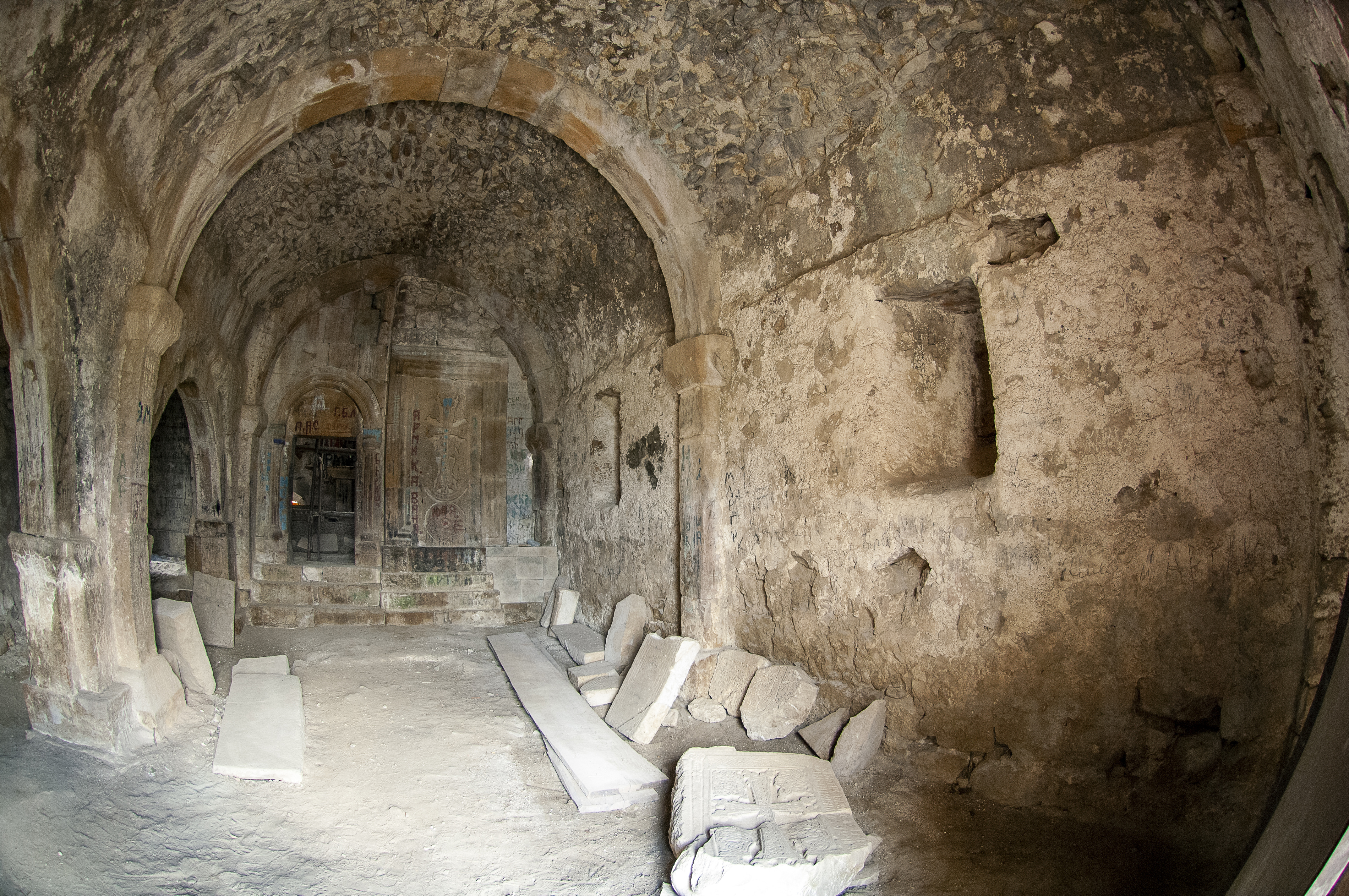
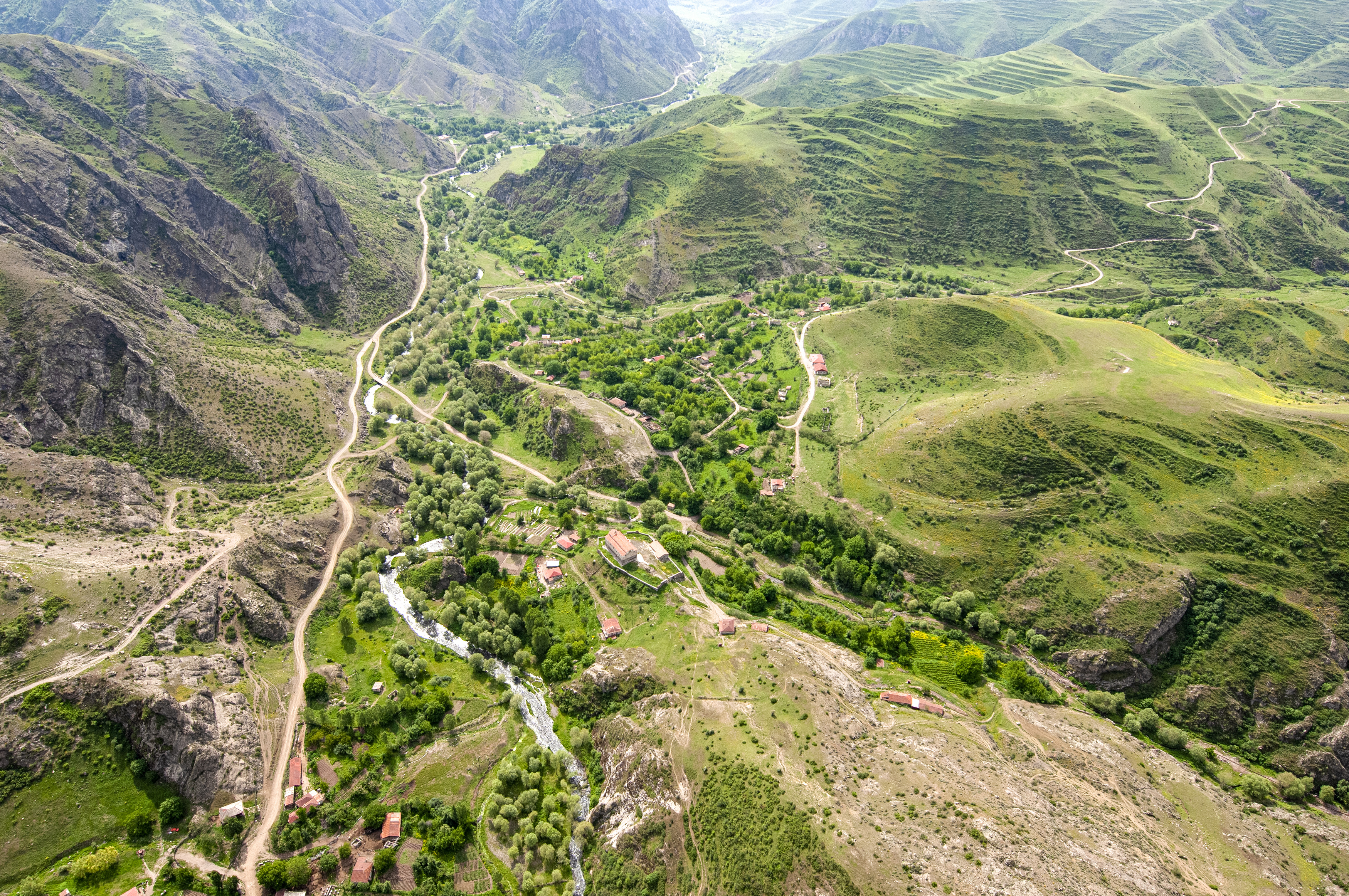
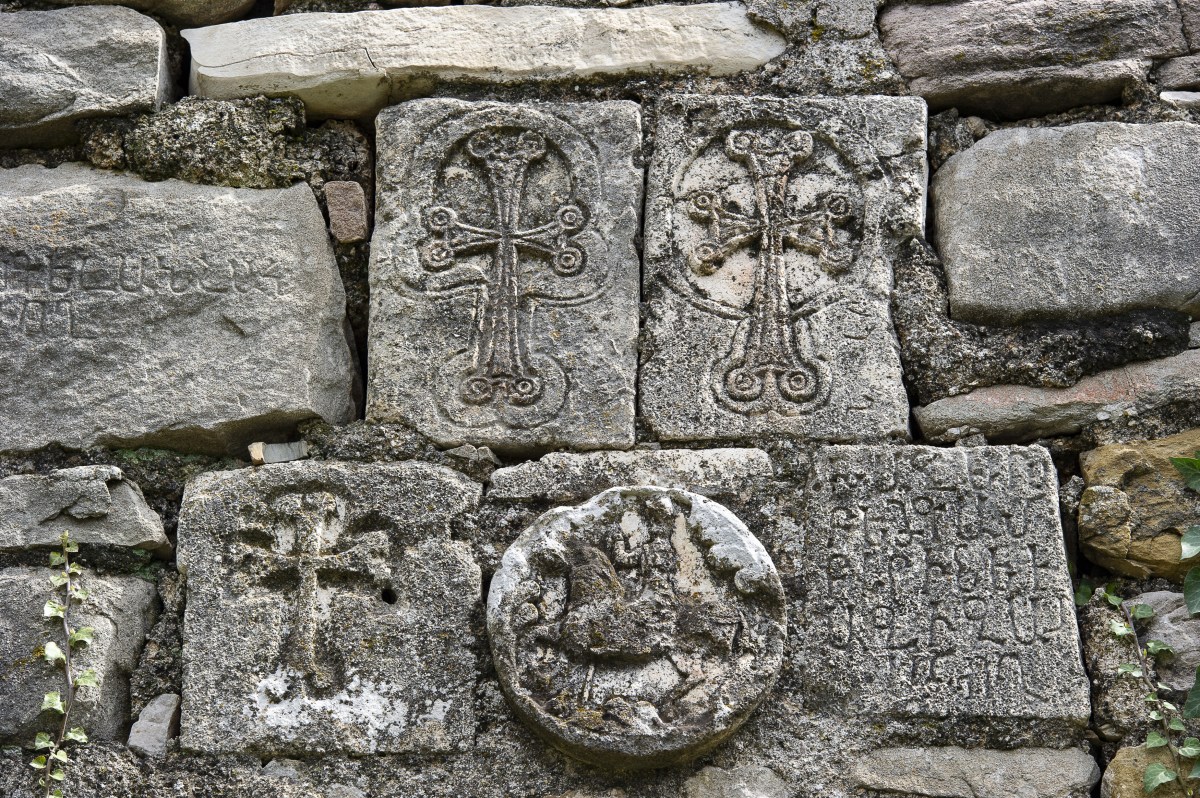
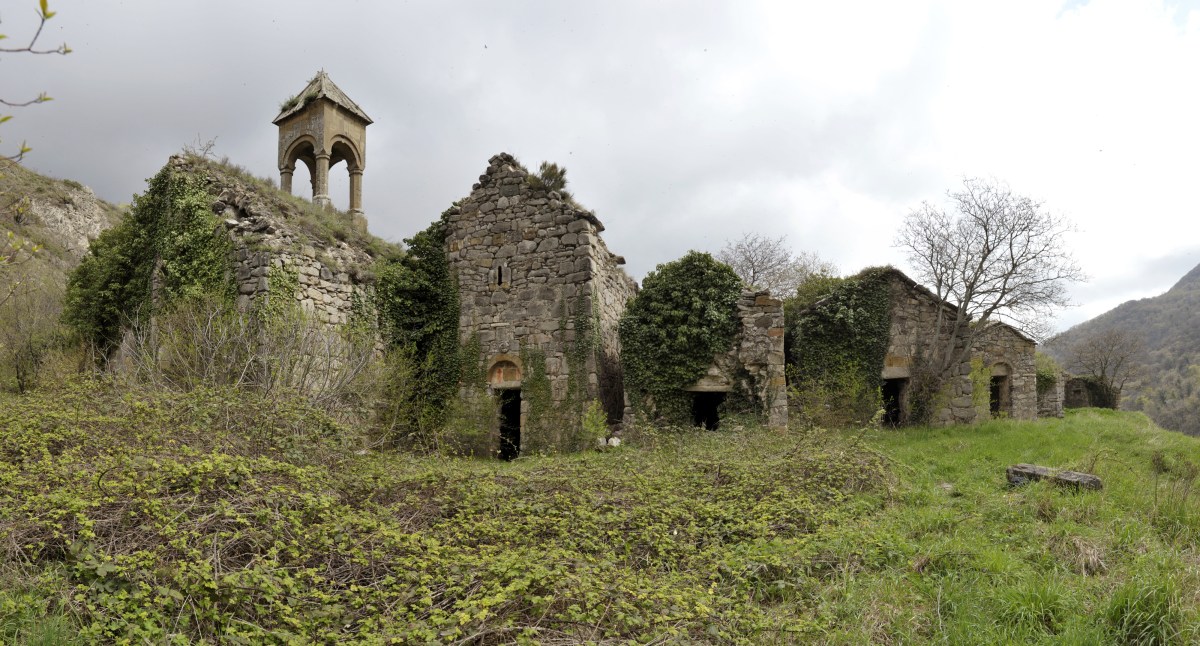
This ancient monastery was built in the fourth century. The complex comprises the church, seven chapels, a cemetery, and ruins of other buildings. The location is almost inaccessible over the hilly terrain, but the view is breathtaking.
 Hrair Hawk Khatcherian
 Hrair Hawk Khatcherian
 Hrair Hawk Khatcherian
5. Ktich Monastery
Location: Togh/Tugh
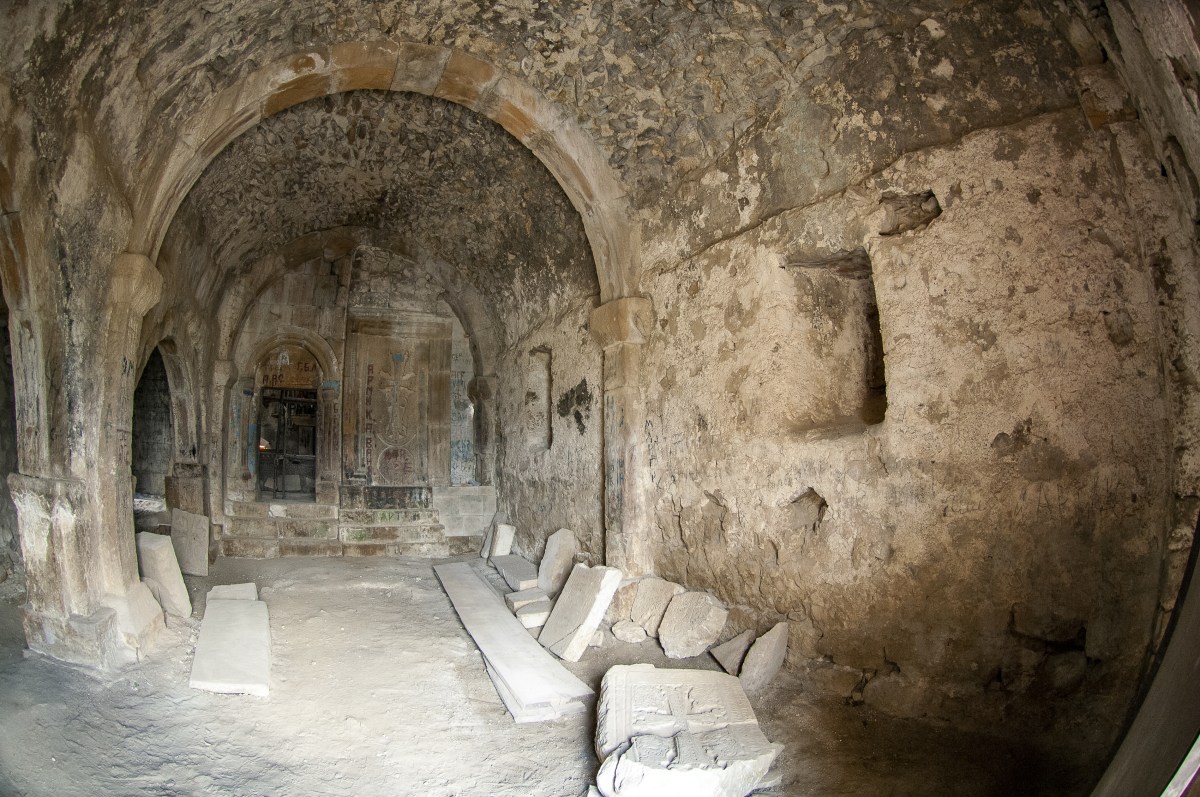
The ancient church of Ktchavank from between the ninth and tenth centuries was one of the large spiritual centers of eastern Armenia. Located at the foot of Mount Toghasar, near the ancient residence of Arstakh princes, the church bears a close resemblance to the architectural style of Ani, the capital city of Bagratid, Armenia.
 Hrair Hawk Khatcherian
 Hrair Hawk Khatcherian
 Hrair Hawk Khatcherian
4. St. John the Baptist Church
Location: Shushi/Shusha
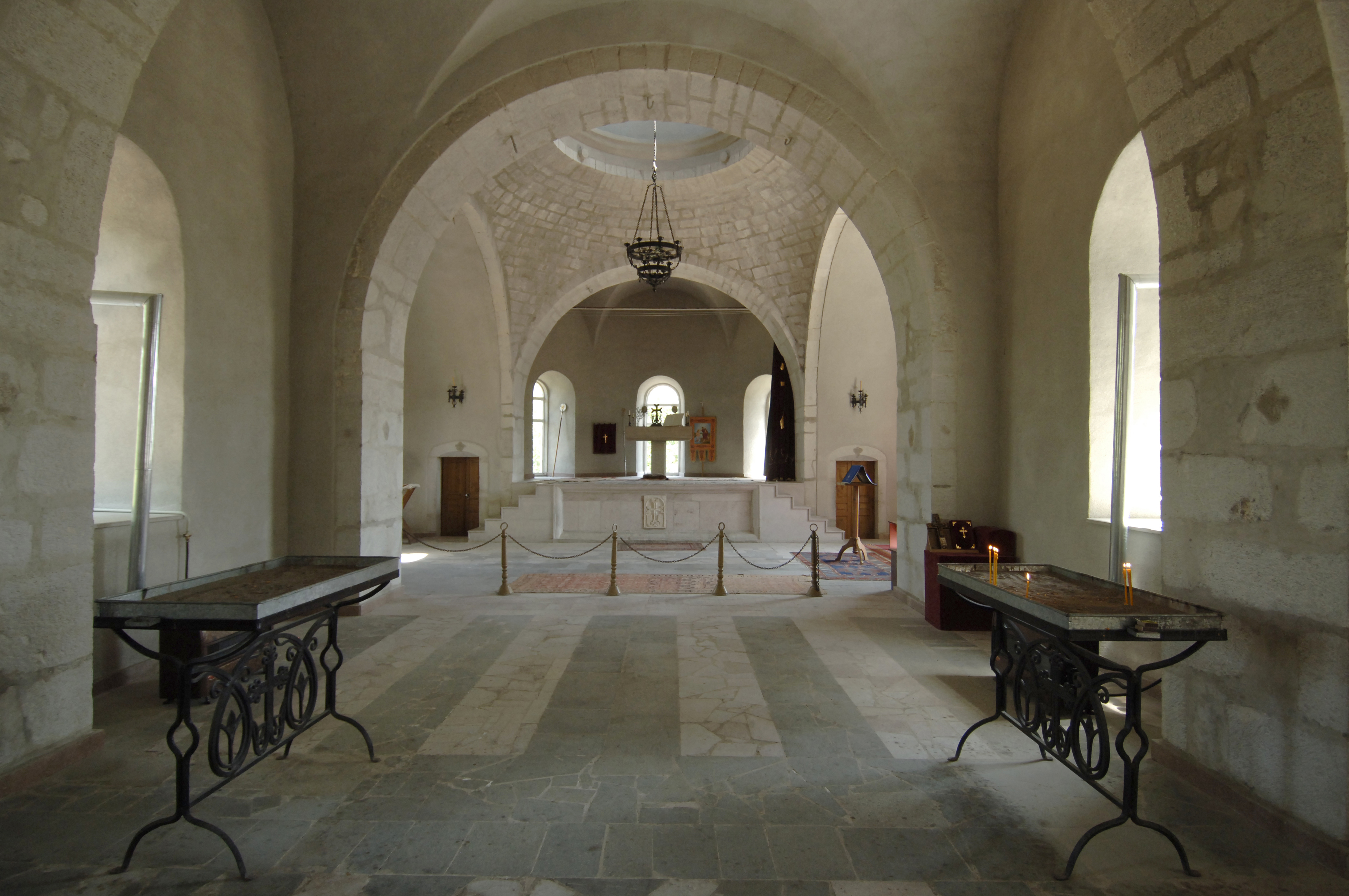
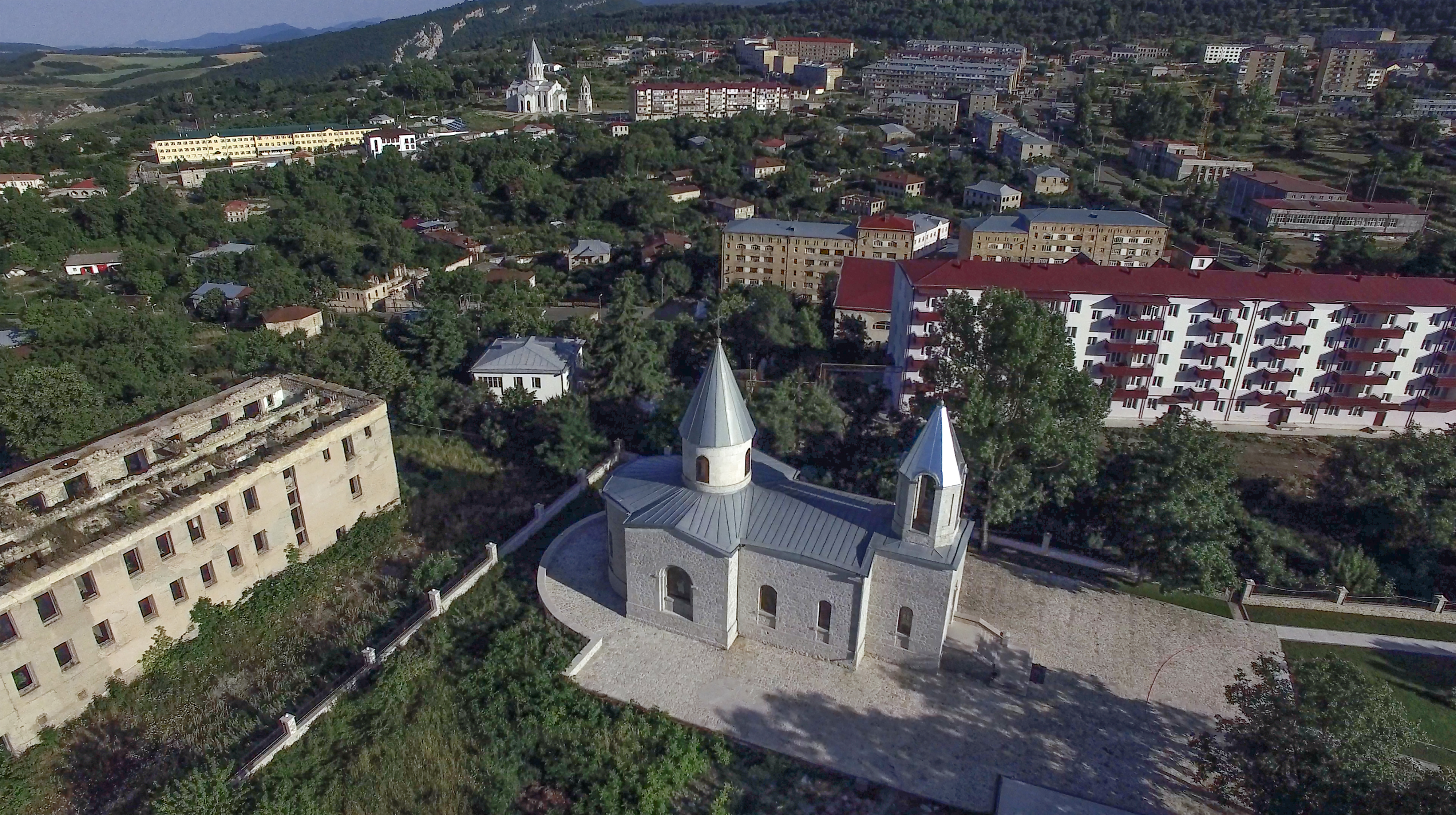
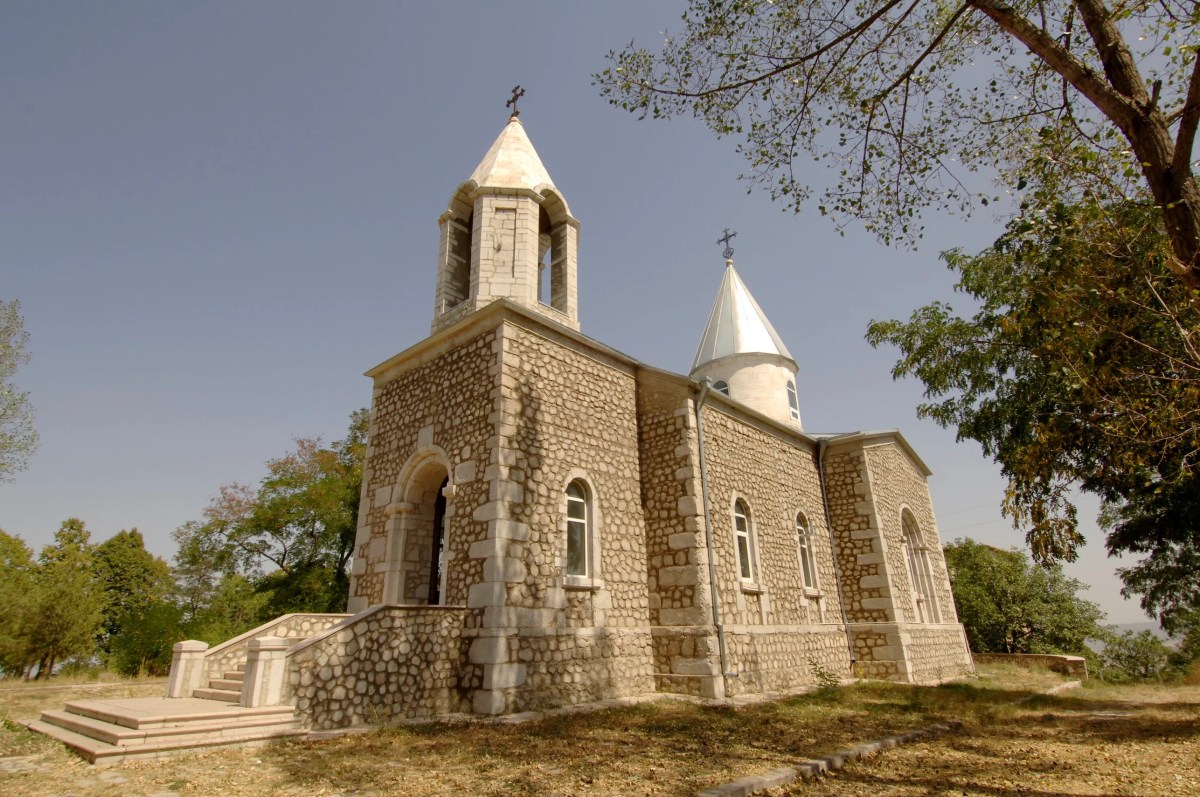
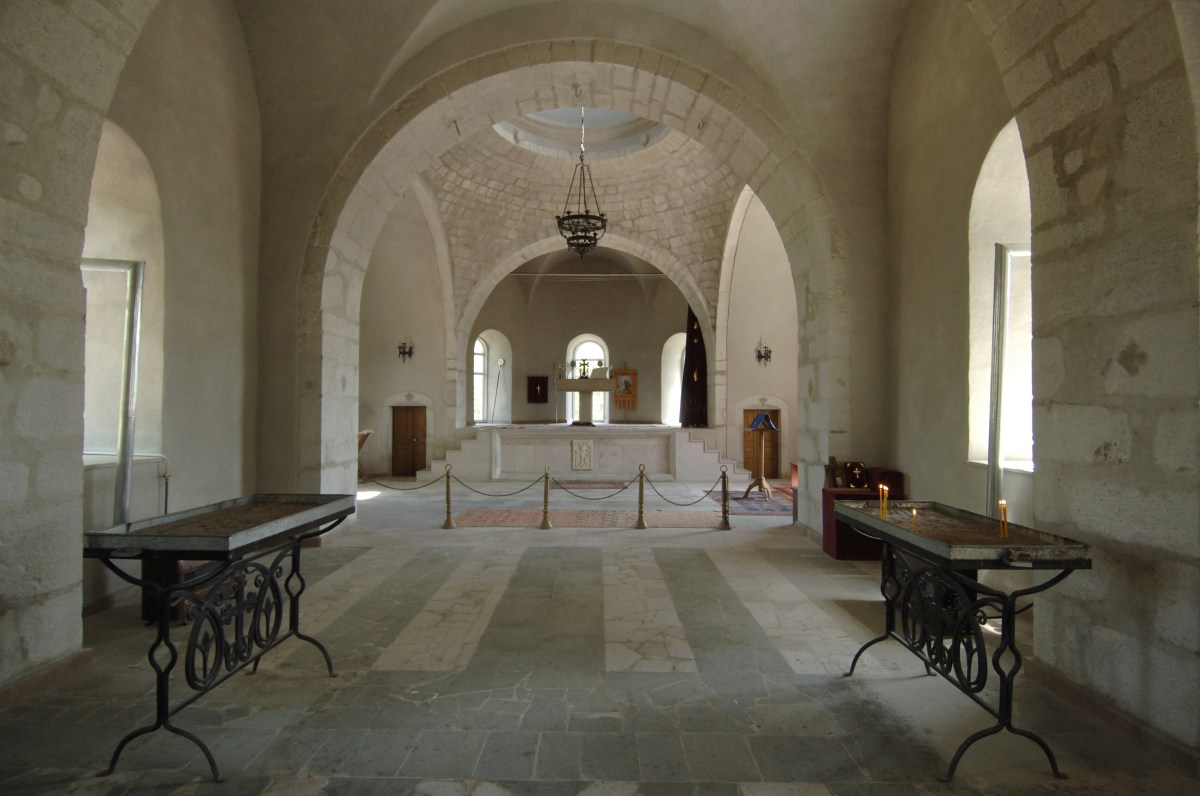
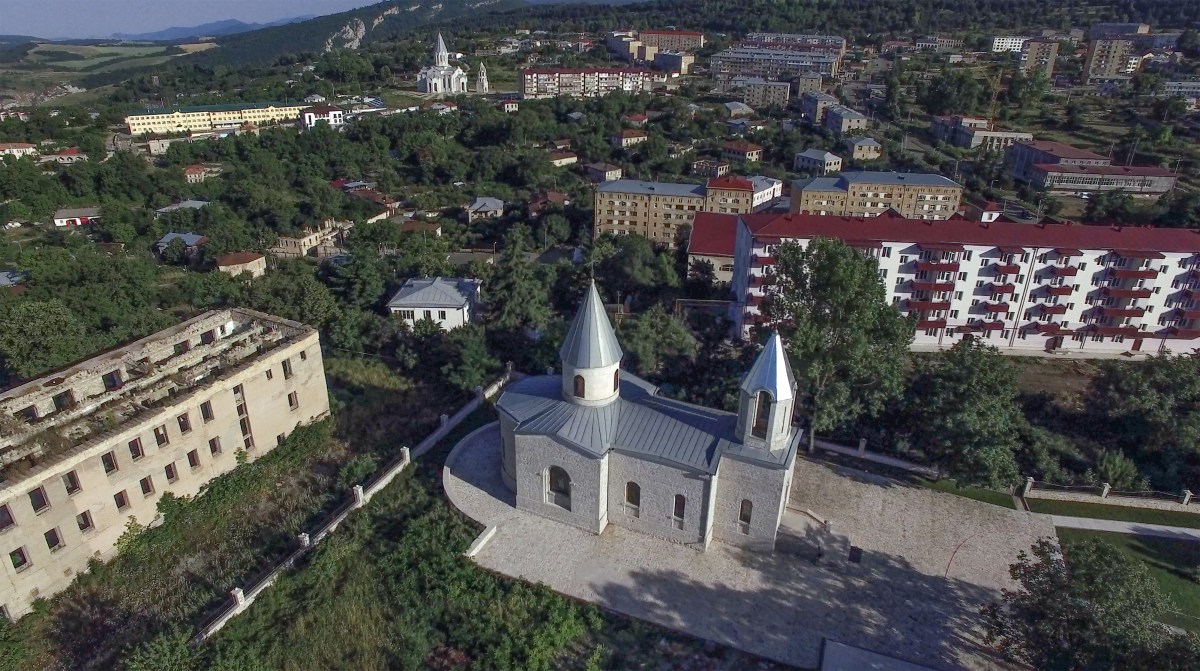
Commonly known as Kanach Jam (“Green Dome”) and built in 1818 on the site of a wooden church, its interior is a graceful, unified, and light-filled space dominated by a dome on pendentives (triangular construction devices that allow round domes to soar over square rooms). Over the entrance to the chapel is an inscription from 1847: “Babayan Stepanos Hovhannes. In the memory of his deceased brother Mkrtych.”
 Hrair Hawk Khatcherian
 Hrair Hawk Khatcherian
 Hrair Hawk Khatcherian
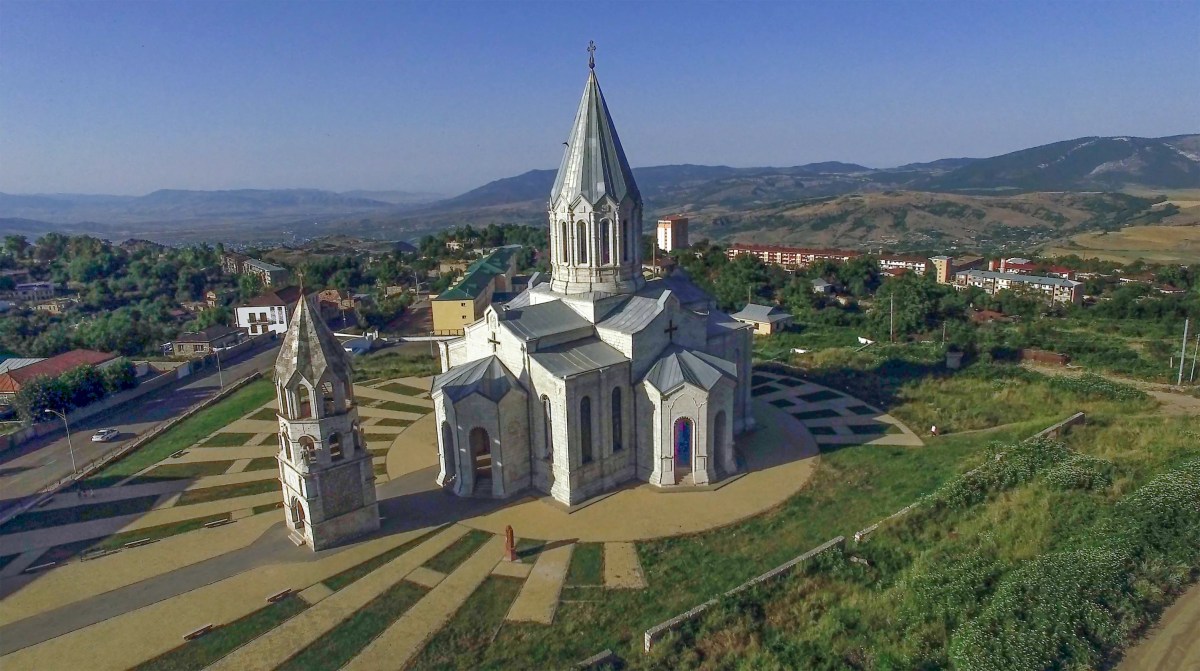
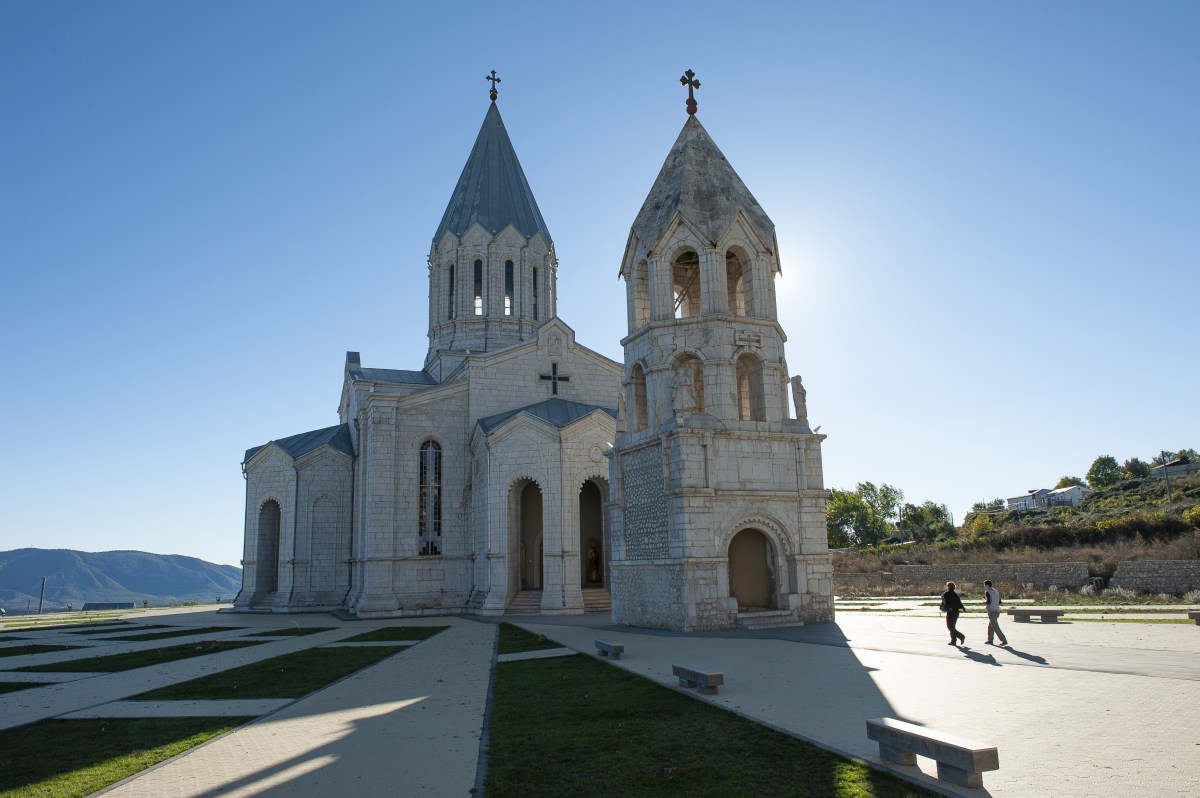
3. Holy Savior Cathedral
Location: Shushi/Shusha
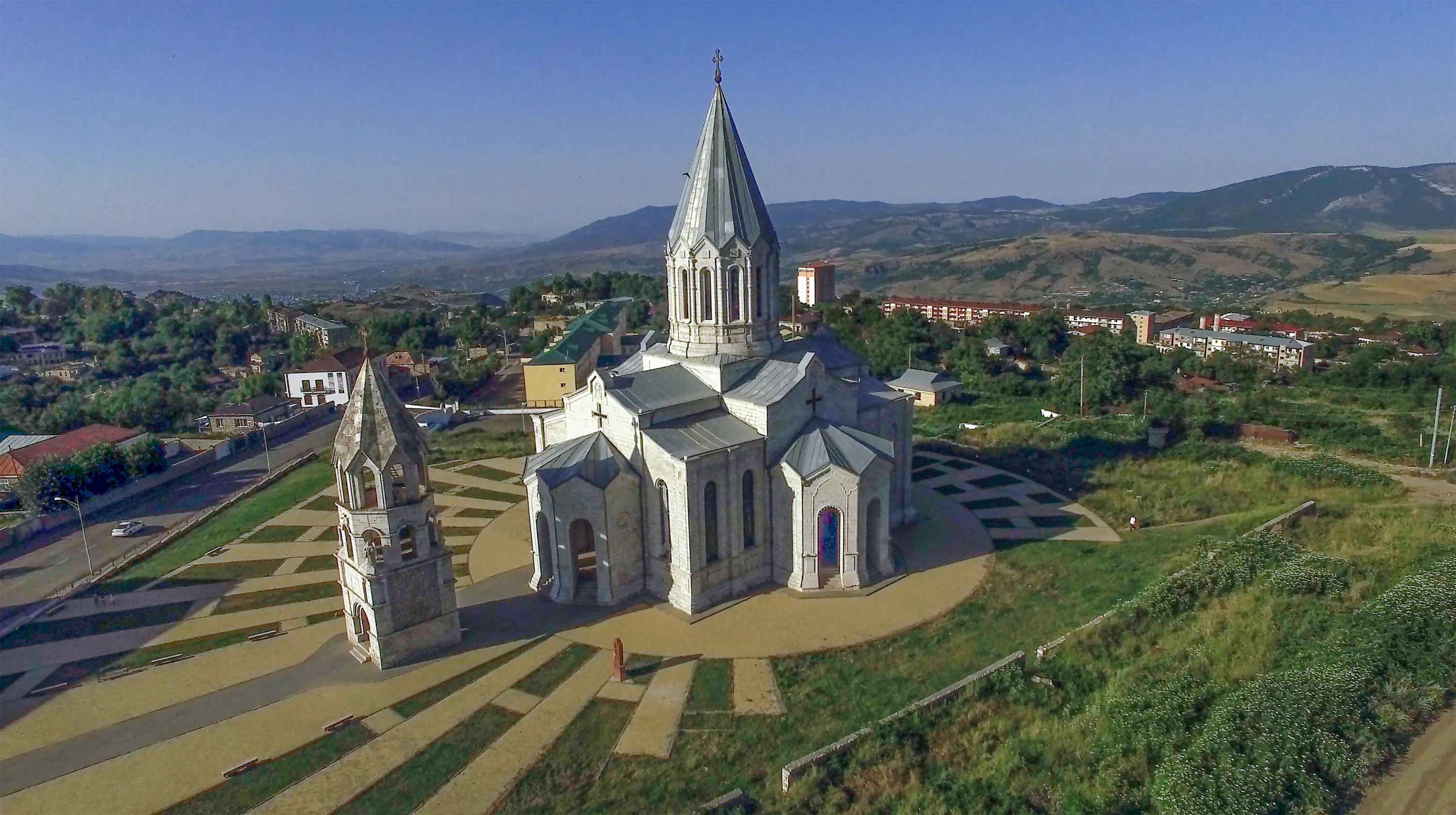
Completed in 1887 and known as Ghazanchetsots in honor of the people who built it, this cathedral is considered a modern architectural masterpiece. Missile fire pierced its rooftop during the first two weeks of fighting during the 2020 war. Sheathed in stone, capped with tall umbrella roofs, and ornamented with crosses, angels, and other sculptures, it is a beautifully coherent synthesis of age-old Armenian building traditions. Rising some 115 feet from its base to the tip of its cupola, it is also one of the largest Armenian churches constructed in the world.
 Hrair Hawk Khatcherian
 Hrair Hawk Khatcherian
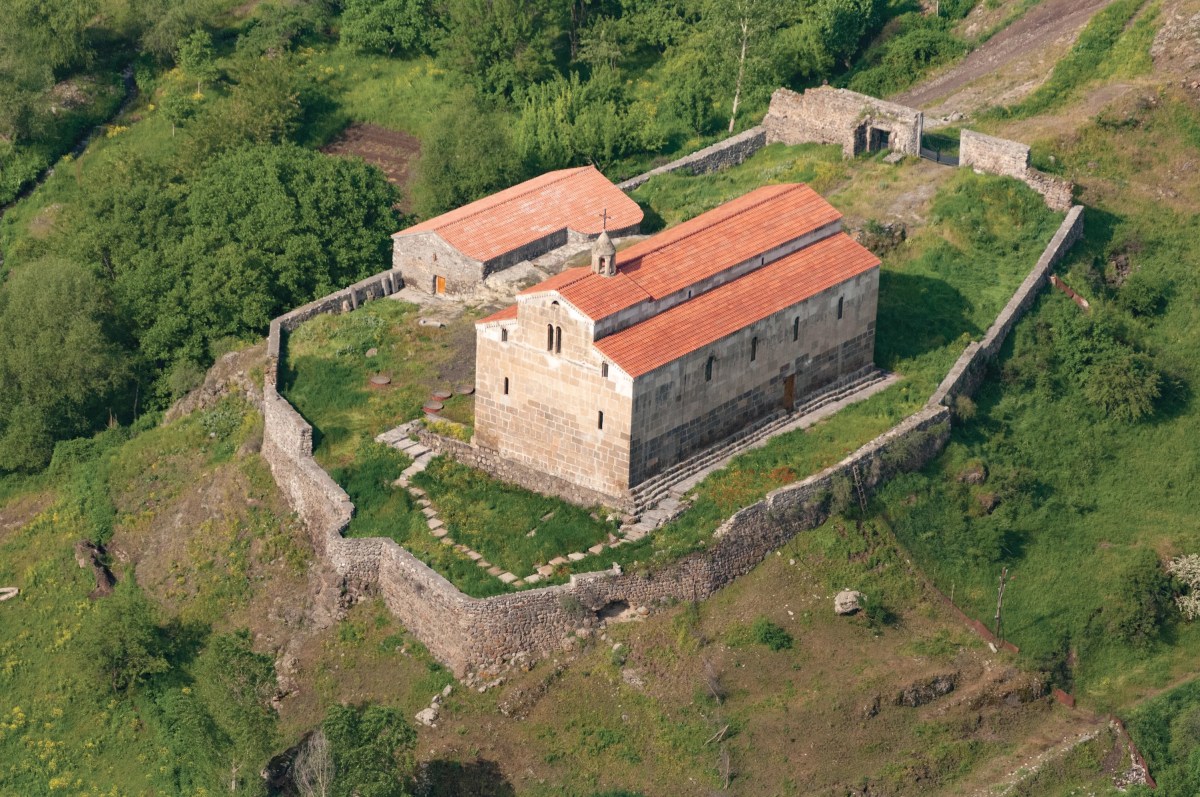
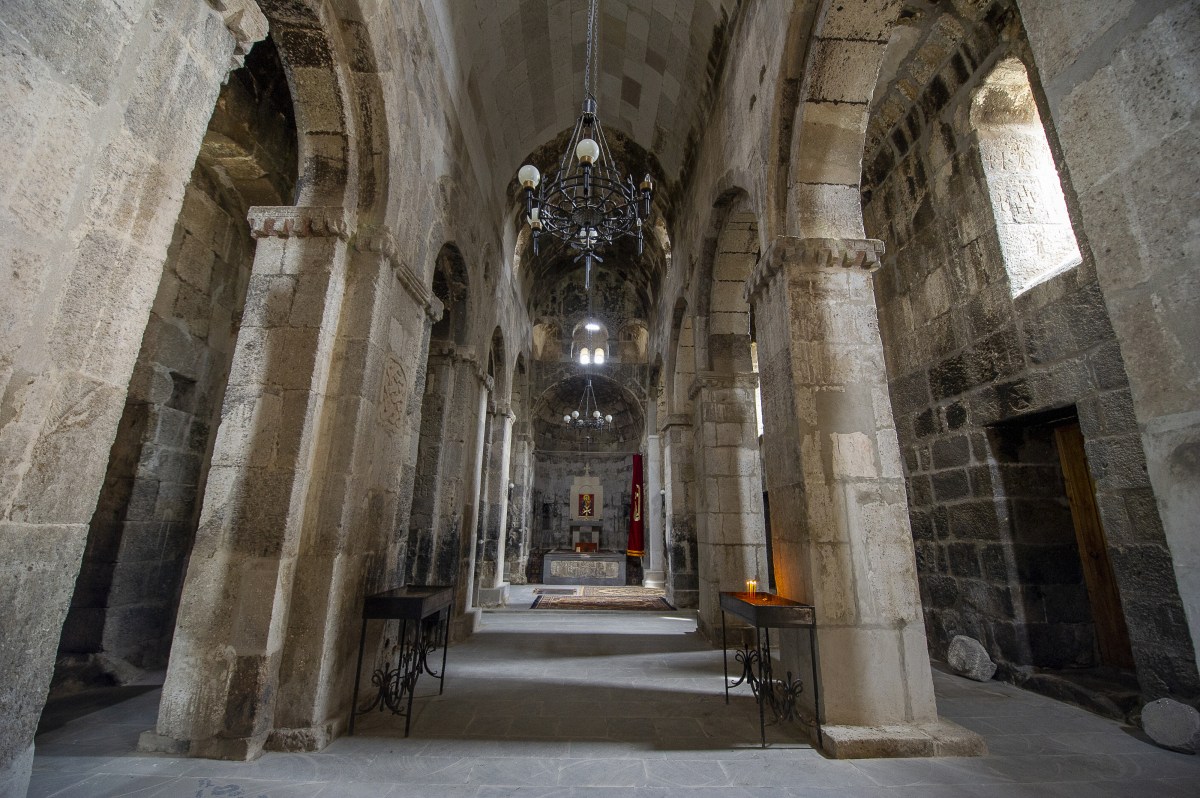
2. Tzitzernavank
Location: Berdzor/Lachin
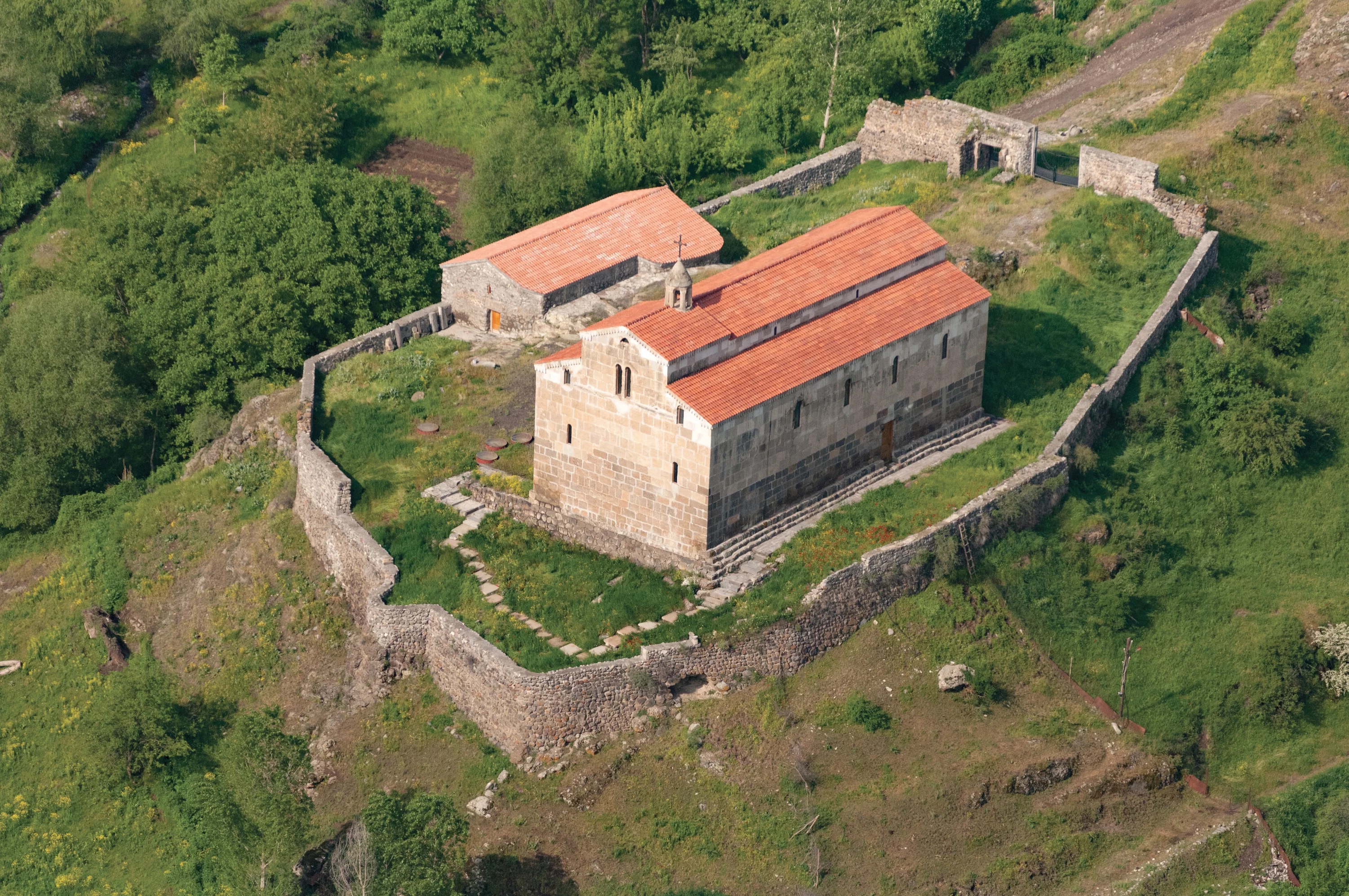
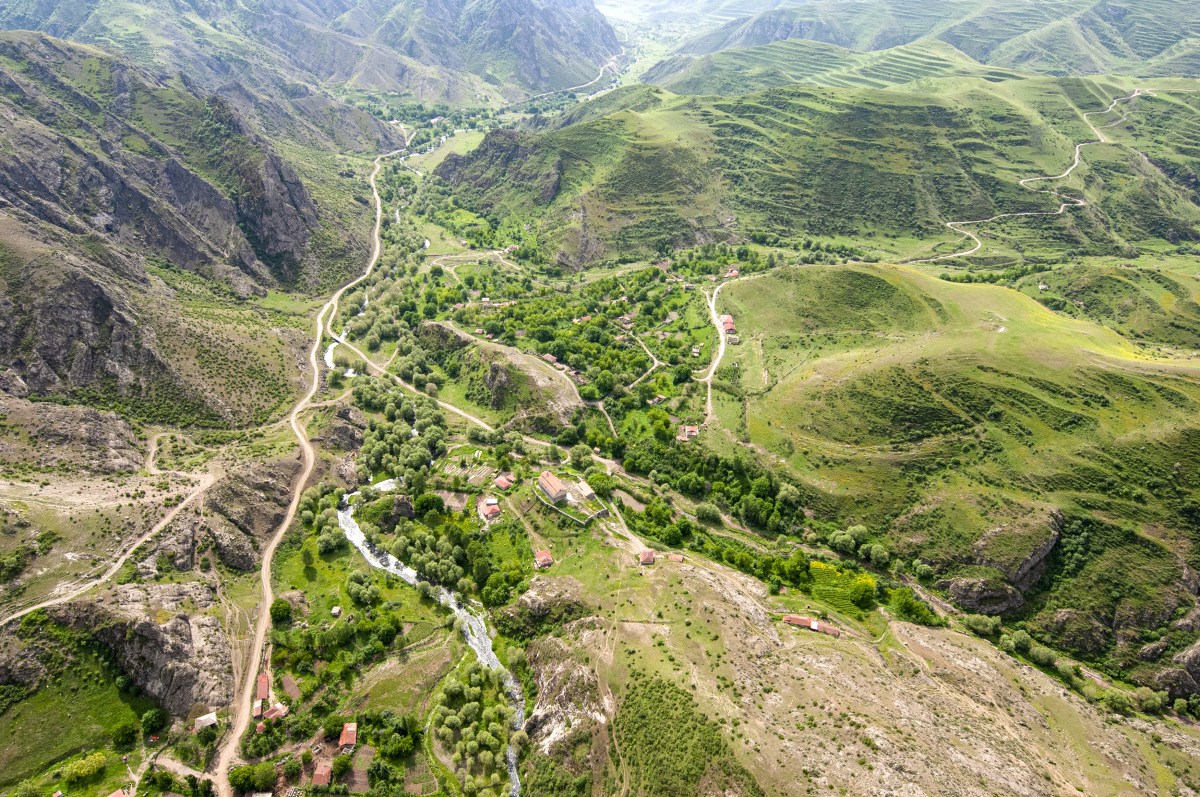
Dating from the fifth or sixth century, this church in the province of Lachin is an extraordinary example of an intact Early Christian basilica. The inscriptions found around the church—bearing the names of parents, children, and other individuals patrons—chronicle a veritable history book of the region. A khachkar (cross-stone) from before the 10th century has an Armenian inscription asking Christ to “Remember the prayers of your servant, the undeserving Grigor, for his beloved brother Azat.”
 Hrair Hawk Khatcherian
 Hrair Hawk Khatcherian
 Hrair Hawk Khatcherian
1. Dadivank Monastery
Location: Karvarjar/Kalbajar
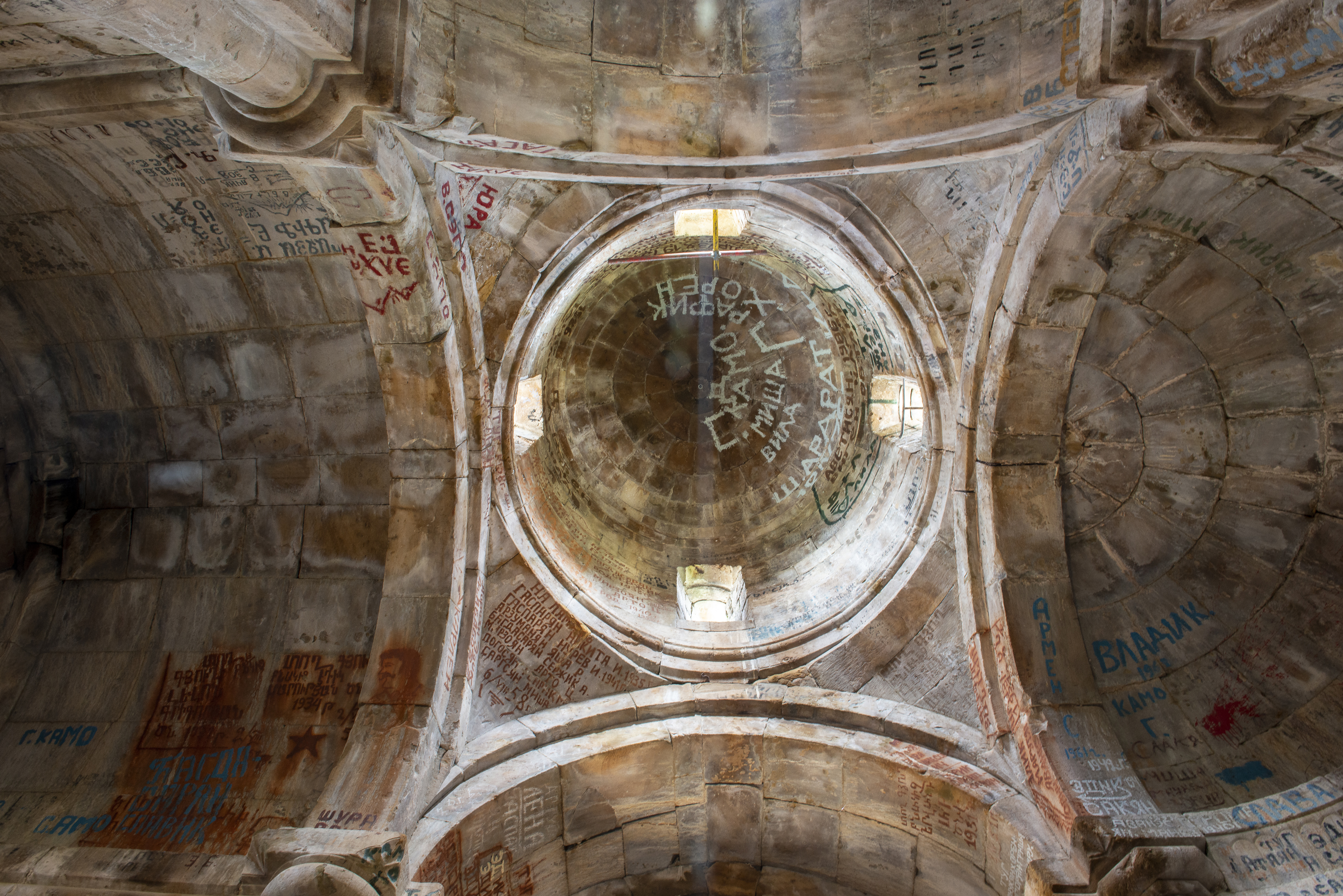
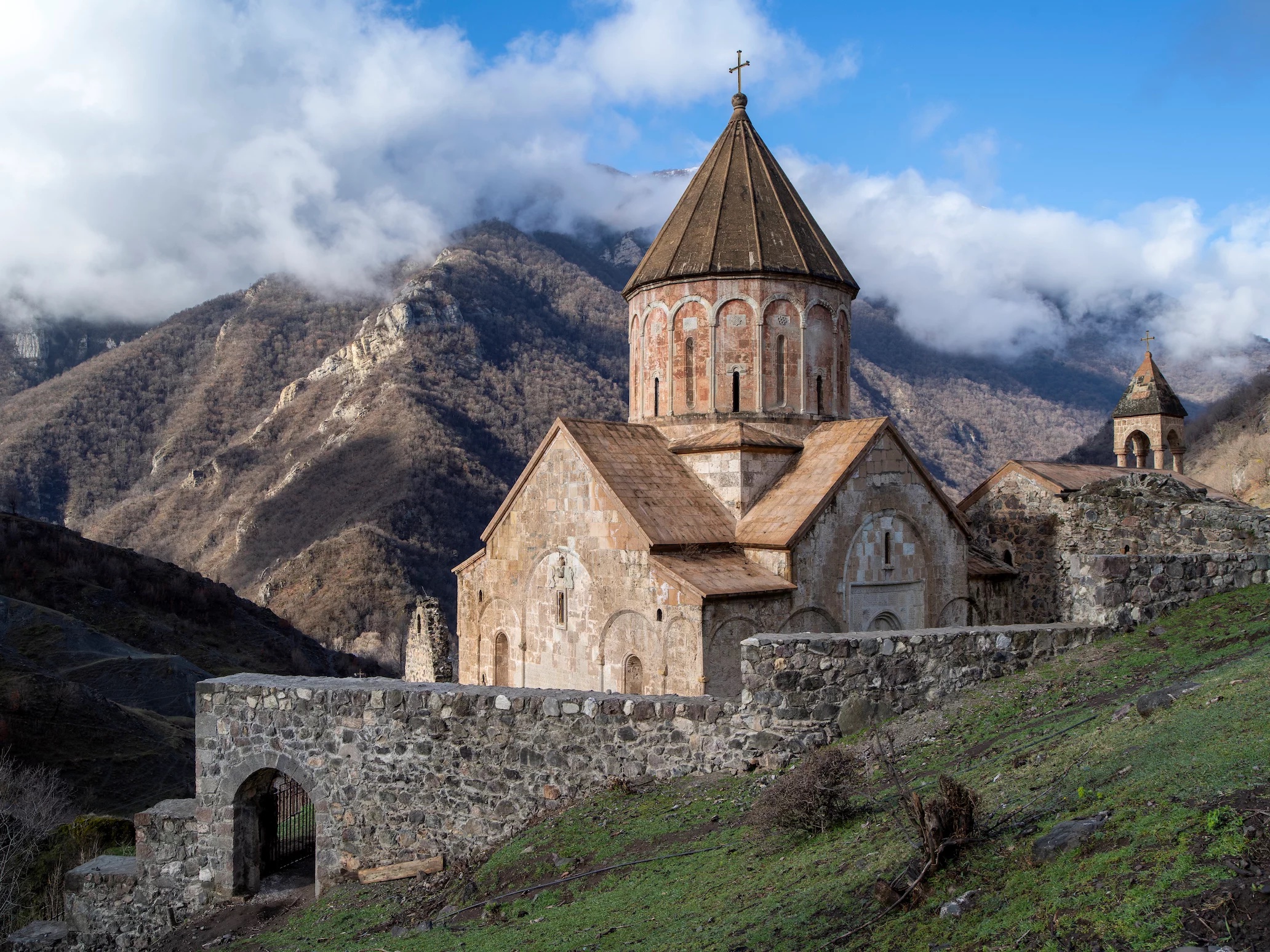
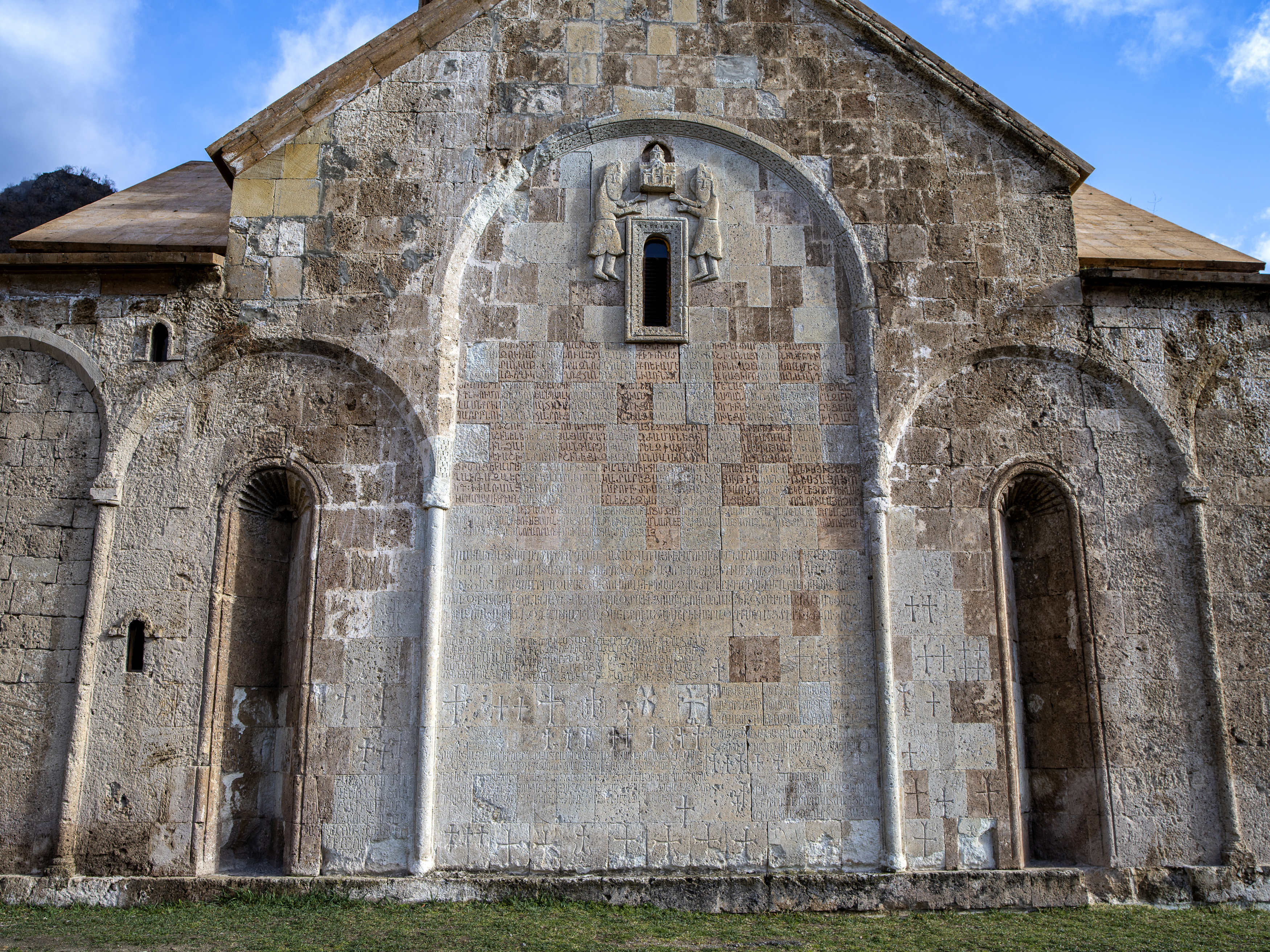
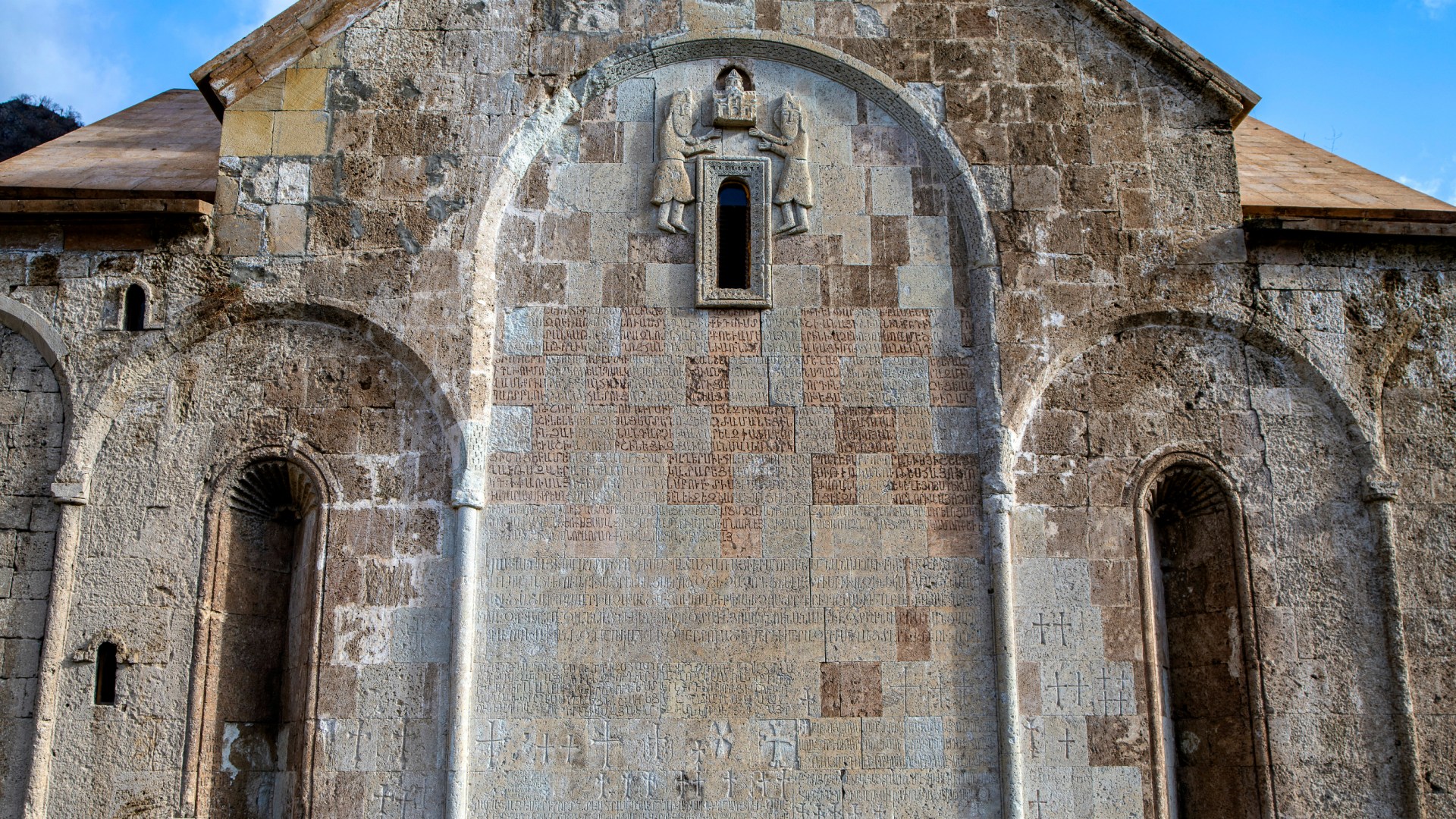
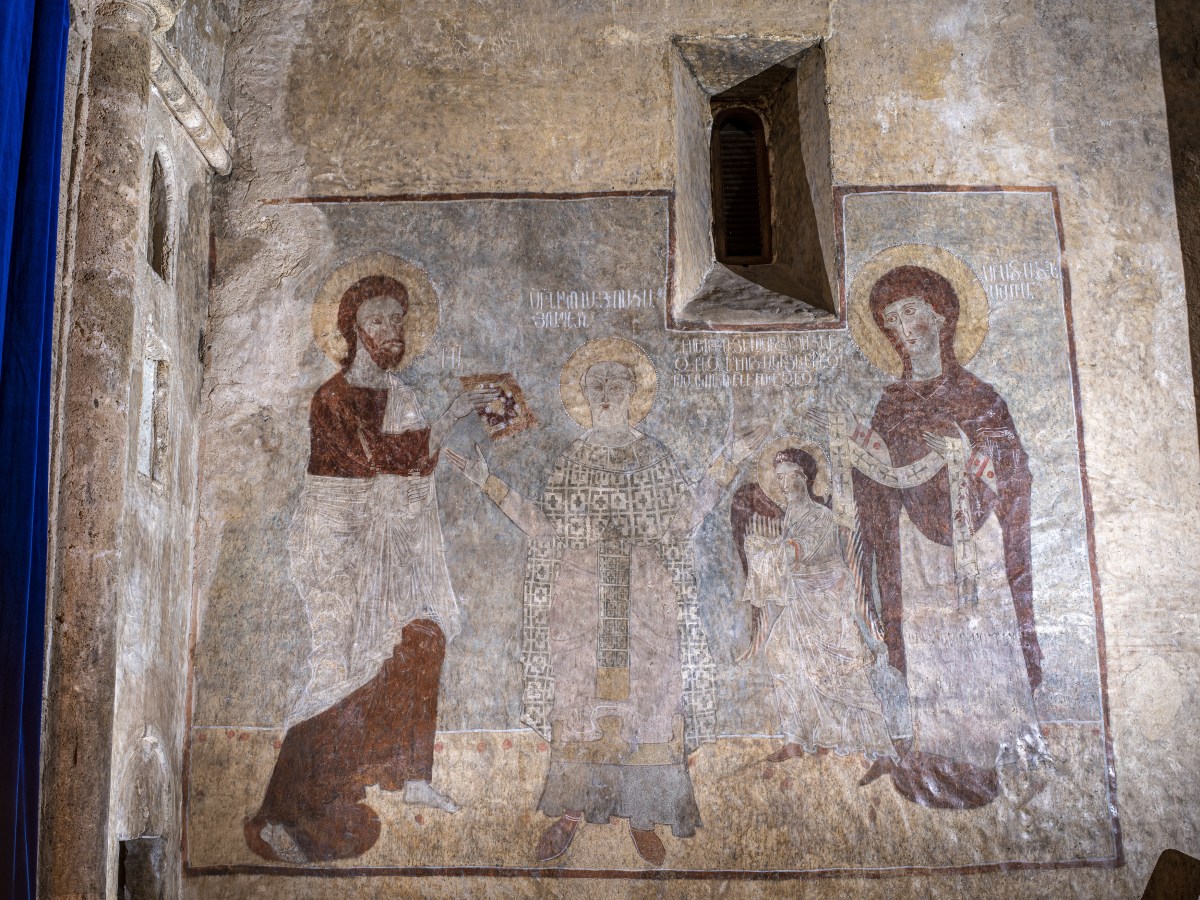
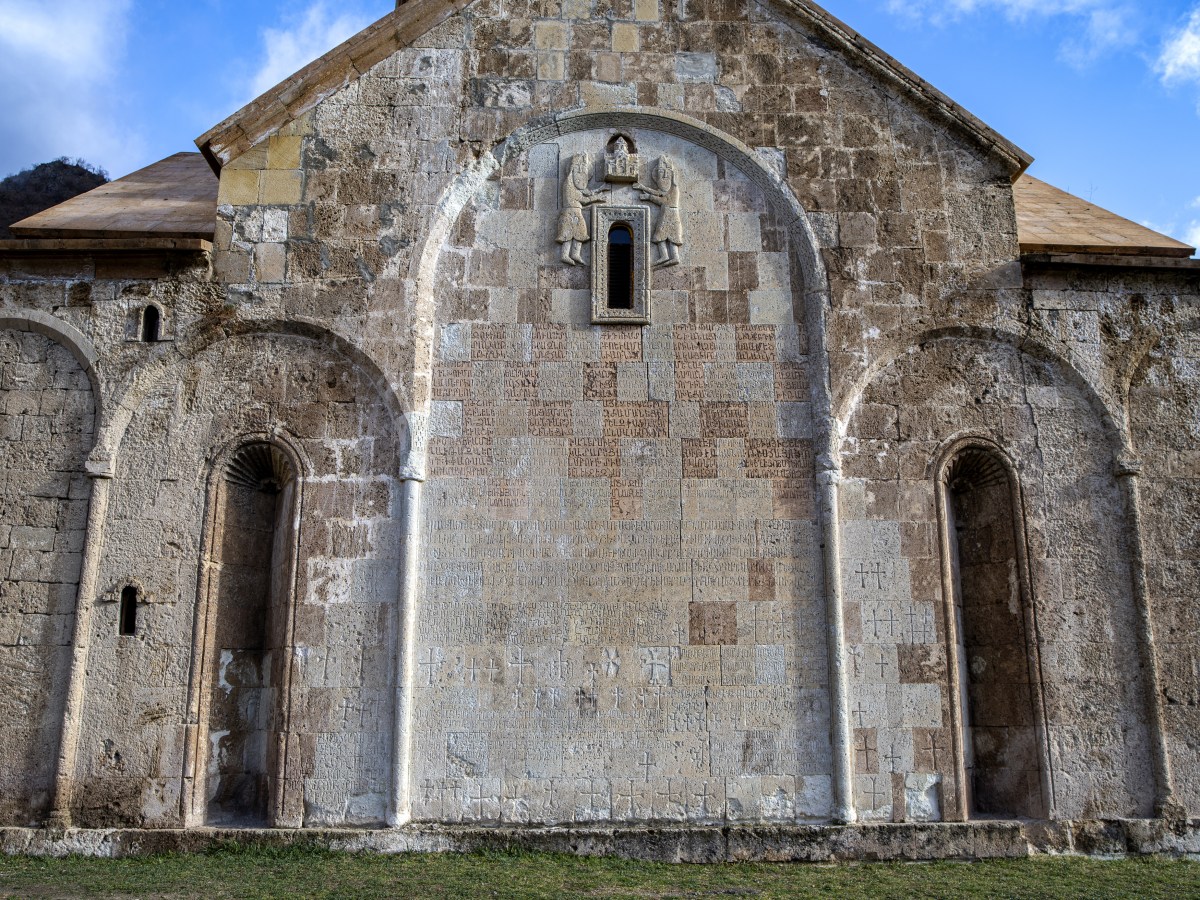
Also known as Khutavank—the “monastery on the hill”—this is the burial site of Saint Dadi, one of the disciples of Thaddeus, who together with Bartholomew evangelized in Armenia during the first century. The constructions at the site date from the ninth to 13th centuries and are not only important examples of medieval architecture but also preserve more than 100 Armenian inscriptions, as well as bas-relief sculptures and frescoes. The monastic complex is extensive, one of the largest known from medieval Armenia.
 Hrair Hawk Khatcherian
 Hrair Hawk Khatcherian
 Hrair Hawk Khatcherian
Christina Maranci is professor of Armenian art and architecture at Tufts University.
CT’s previous coverage of the Nagorno-Karabakh conflict can be found here.