Making the case for books today typically means swimming against the currents of our digital age. That’s one reason social media plays the convenient foil in so many paeans to “the reading life,” to use the somewhat pretentious parlance of book partisans (and social media skeptics) like myself.
Over here, we say, amid the stately avenues and manicured lawns of Book Land, banners are raised for intellectual depth, curious minds, and respectful conversation. But over there, amid the desert wastes and toxic swamps of Social Media Land, shallowness, tribalism, and shouting fests rule the day.
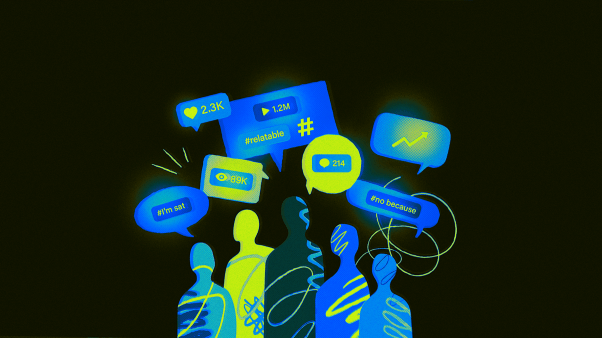
While it’s tempting to paint stark contrasts or cluck disapprovingly at the vices of the Very Online, the realms of books and social media get jumbled together more than we might care to admit. This struck me afresh as we developed our editorial plans for this issue. Books, whatever one might speculate about their waning influence in our lives, still stir up the sorts of controversies that get our social media engines revving.
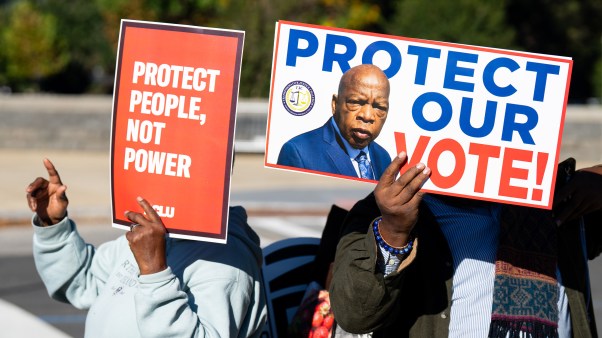
Take the recent spate of stories about pressure campaigns from politicians and parental activists to remove controversial books from public-school and library shelves. Here we have an easy recipe for social media outrage, an open invitation to parade one’s anticensorship bona fides while skewering opponents as either uptight fundamentalists or woke commissars. But Emily Belz digs deeper in her report on the Christian public librarians who navigate these tensions—not by wading into the frenzy but by humbly serving their local communities in practical, personal ways.
If books drive social media engagement, then social media engagement, in turn, often drives the making of books, in the sense of launching the writing careers of countless online “influencers.” Publishing types have a word for these measures of popularity—platform—and they often steer book deals toward figures who check these boxes, at times regardless of whether they can turn a phrase or fashion a compelling argument. Collin Huber asked a series of Christian authors and publishers about selling books without giving celebrity undue weight.
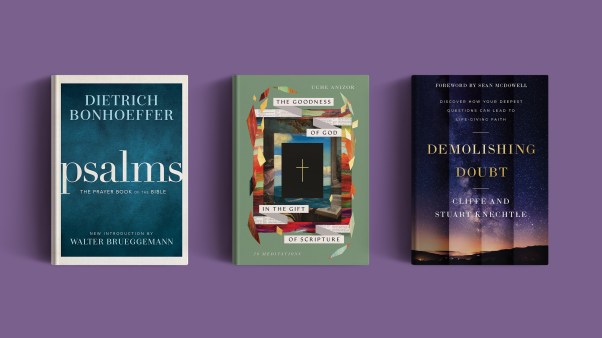
Articles like these bring a helpful analytical lens to the vocation of book writing and its role in shaping contemporary life. (Kara Bettis does likewise in her profile of the bearded, bespectacled poet and priest Malcolm Guite.) In the end, however, the reason for devoting much of this issue to books lies in stepping back from contentious debates and ethical puzzles to celebrate books and authors themselves—which is why we’re showcasing our annual Book Awards, as well as adapted excerpts from a handful of the finalists.
Tweet out these features if you must, but only after feasting your eyes.
Matt Reynolds is books editor of Christianity Today.