Kpila Elijah, 22, has heard gunshots at least five times since moving to Markudi—the capital of Benue State, Nigeria—two years ago. Benue State has seen three other attacks in the past month—on May 25, June 1, and June 12. So, news of the June 13 attack on Yelwata, a Christian farming community two hours north of Markudi, did not surprise Elijah.
“These attacks have been happening in Benue State,” he said. “We have become used to it.”
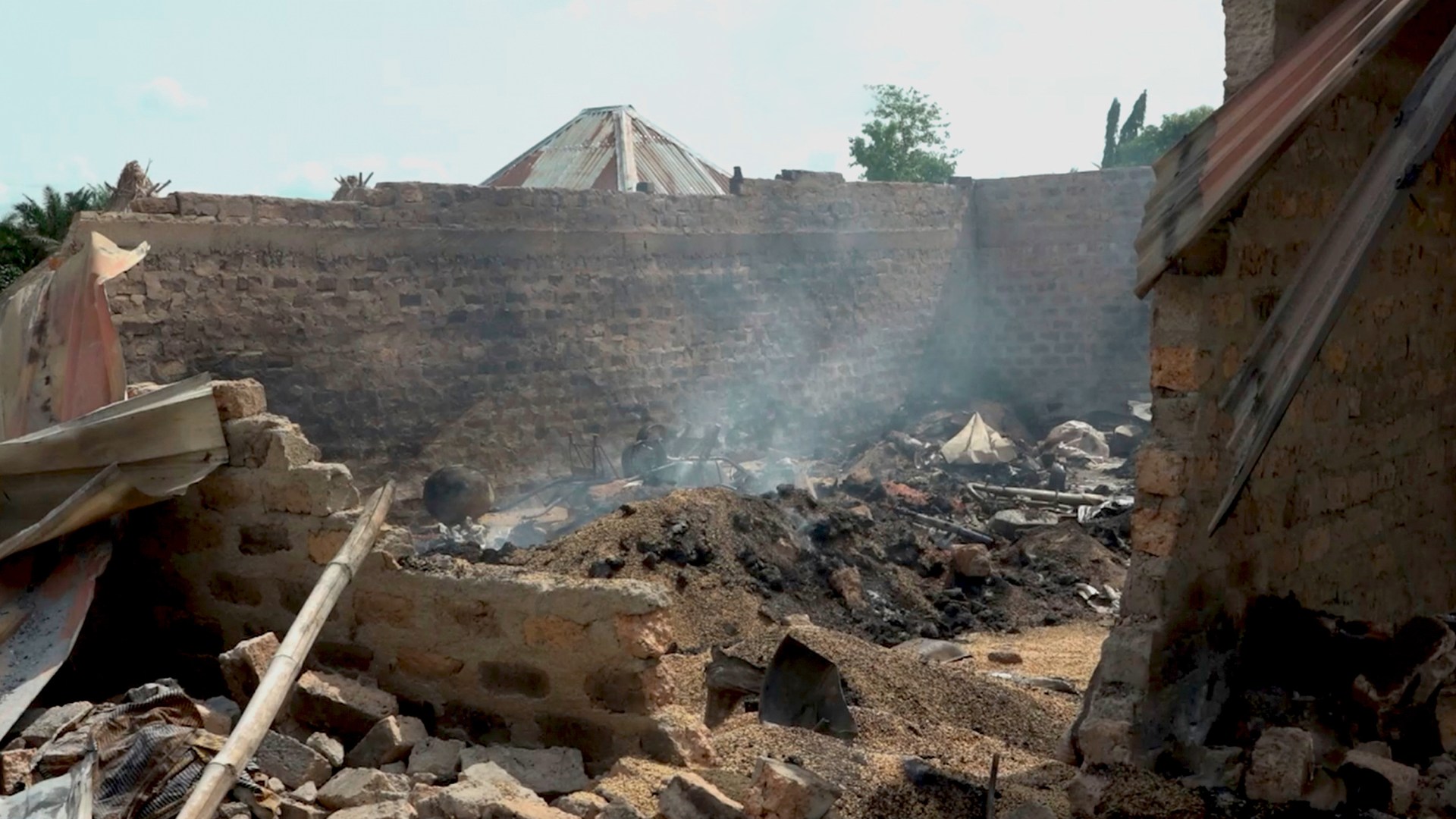
But last Friday’s onslaught resulted in the highest death count from attacks in Benue so far. Armed Fulani herders descended on the Yelwata around 10 p.m. They wielded guns and machetes, set residential houses and food stores ablaze, and ambushed and slaughtered defenseless victims when they tried to escape. The attack continued until the early hours of June 14. The herders locked families inside their homes and burned them to the ground. Some bodies were burnt beyond recognition. An estimated 100 to 200 people, mostly farmers, have been reported dead.
“These herders used to live peacefully with us, but they suddenly turned against us,” Elijah said.
An April 2025 attack in Plateau State to the north resulted in 52 deaths. Security and Intelligence Limited, a company that tracks security challenges across Nigeria, estimates that at least 1,043 people were killed in Benue between May 2023 and May 2025. Many attacks appear to target Tiv and Idoma people.
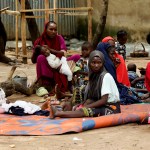
Authorities said thousands of residents, including pregnant women and children, have been displaced by the Yelwata attack. Many still live in fear of future violence.
Michael Ajah, a resident of Yelwata, told local media that he lost 20 family members overnight. “This [my clothes] is what I came out with. There’s no other thing with me,” he said. One woman lost her five children and mother to the attacks.
Benue governor Hyacinth Alia confirmed the attack, noting that several local governments in the state have been under siege. “Nobody has the right to take another person’s life,” he said. Alia added that the terrorists also killed military and civil defence personnel who fought to defend the community.
This weekend’s attack prompted the US Commission on International Religious Freedom to reiterate its call for the US Department of State to designate Nigeria as a Country of Particular Concern (CPC) due to religious freedom concerns.
Motivation for the attacks arise from differences in religion, ethnicity, and way of life. The Fulani people practice Islam and live as seminomadic herders. The Tiv mostly identify as Christian and tend farms for a living. Idoma farmers typically follow Christianity or ethnic religions. Competition for limited land and water resources also plays a role. Yelwata is 98 percent Christian and has served as a settlement for internally displaced persons who fled previous attacks in neighboring towns.
Benue is known as the “food basket of the nation.” Agriculture drives the state’s economy, with more than 70 percent of the population engaged in farming. For years, the predominantly Tiv and Idoma Christian farming communities have experienced attacks by suspected Muslim Fulani herdsmen, stretching to Nigeria’s Middle Belt, or central region.
Fulani herders travel across Nigeria seeking grazing land for their cattle. This leads to conflicts with farmers who want to protect their crops. Some Fulani herders are armed, often with sophisticated weapons, which they claim are necessary to protect their cattle from rustlers and hostile communities. Many farmers have been driven away from their original communities.
In a statement, President Bola Tinubu called for peace and blamed “political and community leaders in Benue State” for making provocative statements that escalate tensions and lead to further loss of life. He urged Governor Alia to “immediately lead the process of dialogue and reconciliation.”
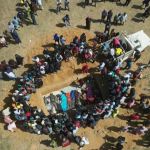
The president spoke after hundreds of people took to the streets of Makurdi on June 15, carrying placards and green leaves to protest the government’s perceived inaction. “We are tired, we are helpless, we are broken,” one protester said.
Godgive Chukwunyere, a resident of Makurdi, decried the government’s failure to arrest and prosecute the herders. “Our prisons are filled with other Nigerians,” he told Christianity Today, “but none of [the Fulani herders] have been taken to court and sentenced. They are just allowed to do whatever they like and get away with it.”
Chukwunyere argues that Fulani militias intend to displace as many Nigerians as possible and create fear in the communities. “We just live by faith, trust God and, remain vigilant,” he said. “There is nothing we know as individuals that can be done.”
Several attempts to solve the lingering crisis have failed. The 2017 Benue Anti-Open Grazing Law—which bans free-range grazing and promotes fenced ranches—has been difficult to enforce, particularly in remote areas with little security presence. In May 2025, the Tiv Area Traditional Council issued a 10-day ultimatum ordering Fulani herders to vacate ancestral lands and farmers’ homes in the communities, but their demands were met by reprisal attacks.
The communities also set up vigilante groups to protect the people. But Elijah told CT their weapons have been no match for the herders.
“Since the government has failed to enforce laws, the people must now take care of themselves,” he said. “We continue to lean on God’s protection.”