In this series


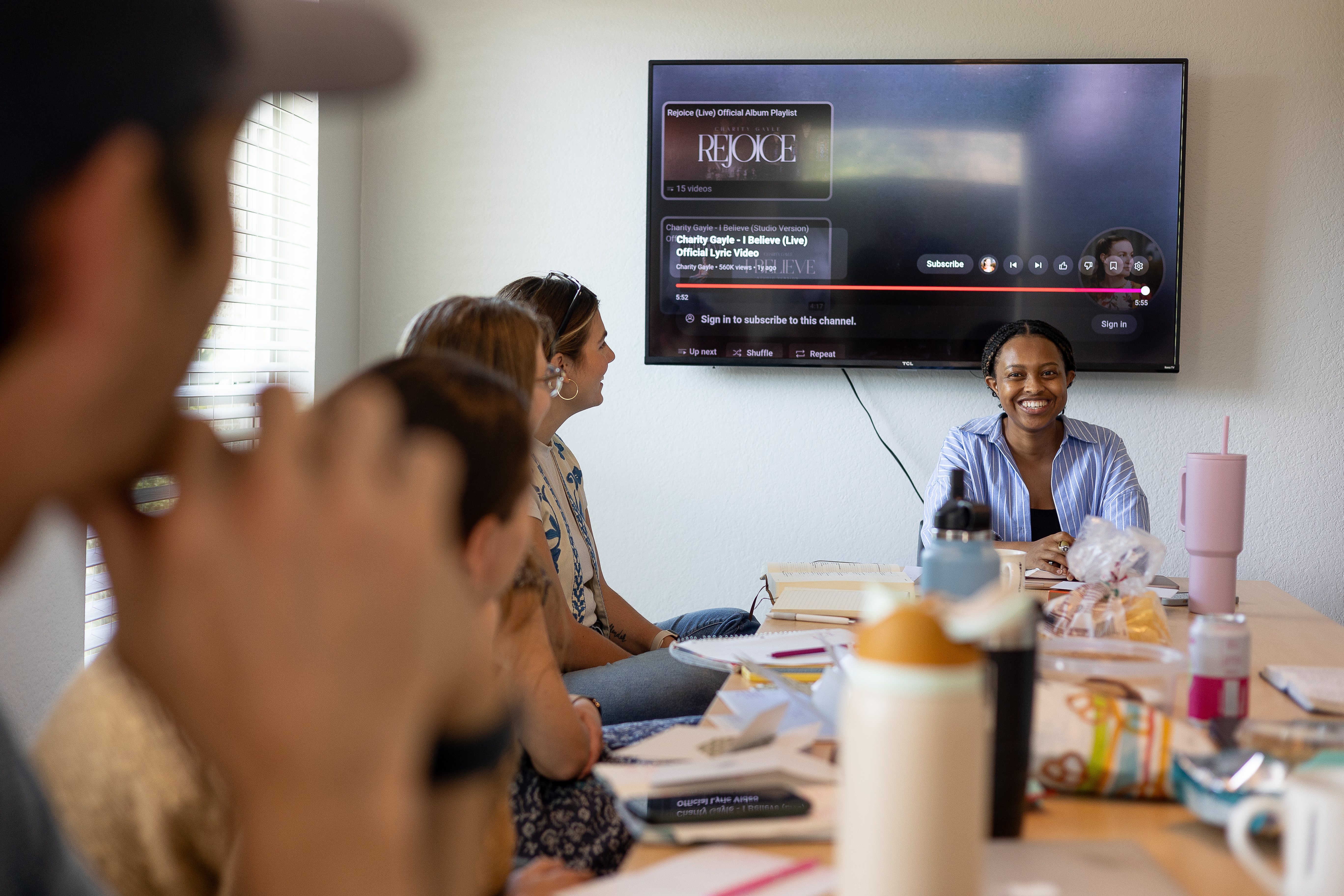
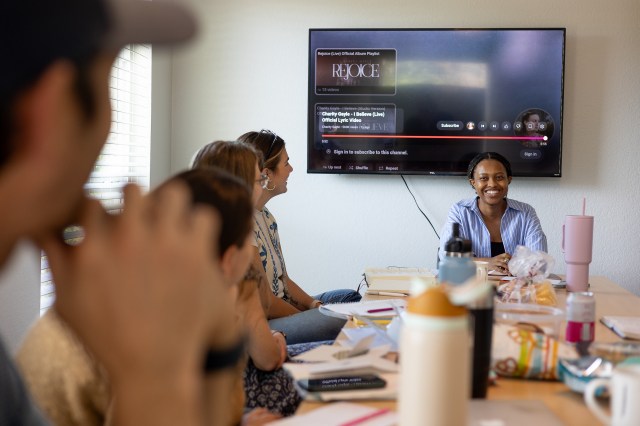
Insulated tumblers, coffee mugs, and sparkling waters litter a worktable on the second story of an apartment unit turned office in Austin, Texas. Eight people fill the workspace, bobbing up and down with a carbonated energy more akin to a frenzied live auction than a Monday afternoon office meeting.
“Are they on West 32nd Street?”
“I took a bed to someone down there … Achmed, or Ahmad?”
“Are they coming to class? They’re on the spreadsheet.”
“Who put them on the sheet? Does it say if they need a ride?”
“I think they have five to seven kids, so transportation will be—”
“Oh, Lord, provide more drivers!”
Scrawled on a whiteboard is the organization’s vision: “Helping refugees and asylum seekers find refuge in Christ through the love of the Church.” The nonprofit’s name, More Than Welcome, expresses its hopes for how immigrants will feel in their new home. During the meeting, More Than Welcome staff members—who hail from Austin as well as Congo, Rwanda, and Burundi—applaud as they celebrate an immigrant’s recent decision to follow Christ.
The staff meeting continues with prayer for a Muslim arrival from Burkina Faso who has expressed distrust toward anyone who might try to convert her. There’s a knock at the door. The woman has dropped by unexpectedly to meet with a caseworker. Gasps and more prayers follow as the staff thanks God for leading the woman back to the office.
Another new arrival needs a desk, a washer and dryer, and a lawyer to help start her asylum process. A different immigrant family has a baby in the hospital. Someone from More Than Welcome will deliver fresh clothes.
The organization sprang from the passion of Alliance Samuragwa, a former asylum seeker from Burundi. His megawatt smile, sturdy 6-foot-1 frame, and rotating uniform of hoodies belie a broken past.
As Hutu and Tutsi factions warred in Burundi in 2014, police murdered Samuragwa’s closest friend and tortured Samuragwa for four days, leaving him for dead on the banks of the Ruzizi River. He was spotted by a family friend, and his parents rescued him. His family pooled their resources, securing a US student visa for him and a one-way flight to America. He was 22 at the time.
There are still burn marks on his arm and thigh and a jagged scar on his scalp. “Resentment is part of the journey,” Samuragwa says, “but I thank God, knowing it’s a miracle I’m alive. And now I have empathy for what the families we serve have been through. He led me here for a purpose.”
Refugees and asylum seekers both enter the United States legally, though refugees receive more government support. As an asylum seeker, Samuragwa had only a suitcase with some clothing and his grandfather’s Bible. He found a couch to sleep on in a stranger’s home. Assembly line work and Uber driving paid the bills as he connected with other immigrants and recruited new friends to help meet their needs.
More Than Welcome now has seven full-time staff members and more than 100 volunteers from 30-plus churches.
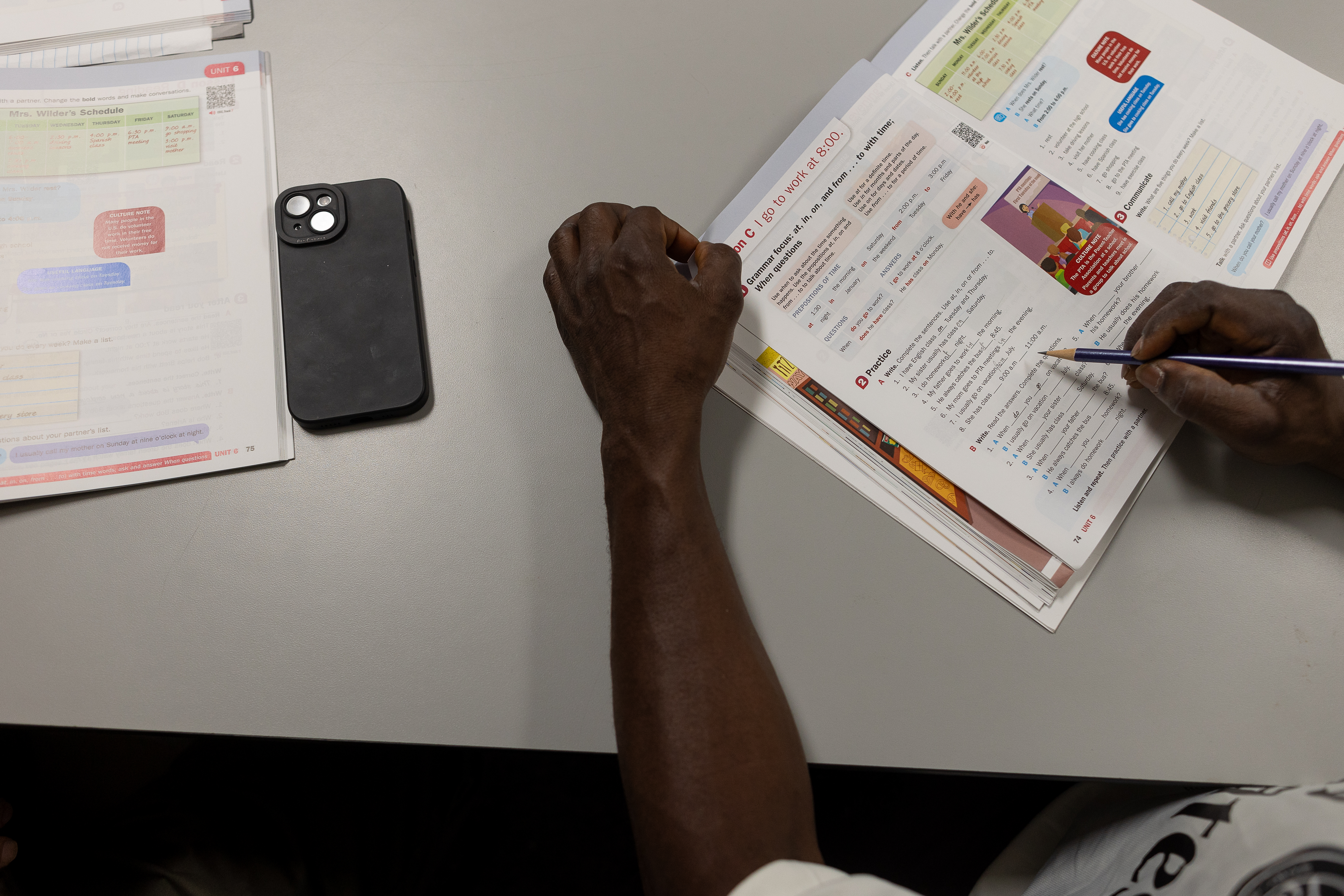
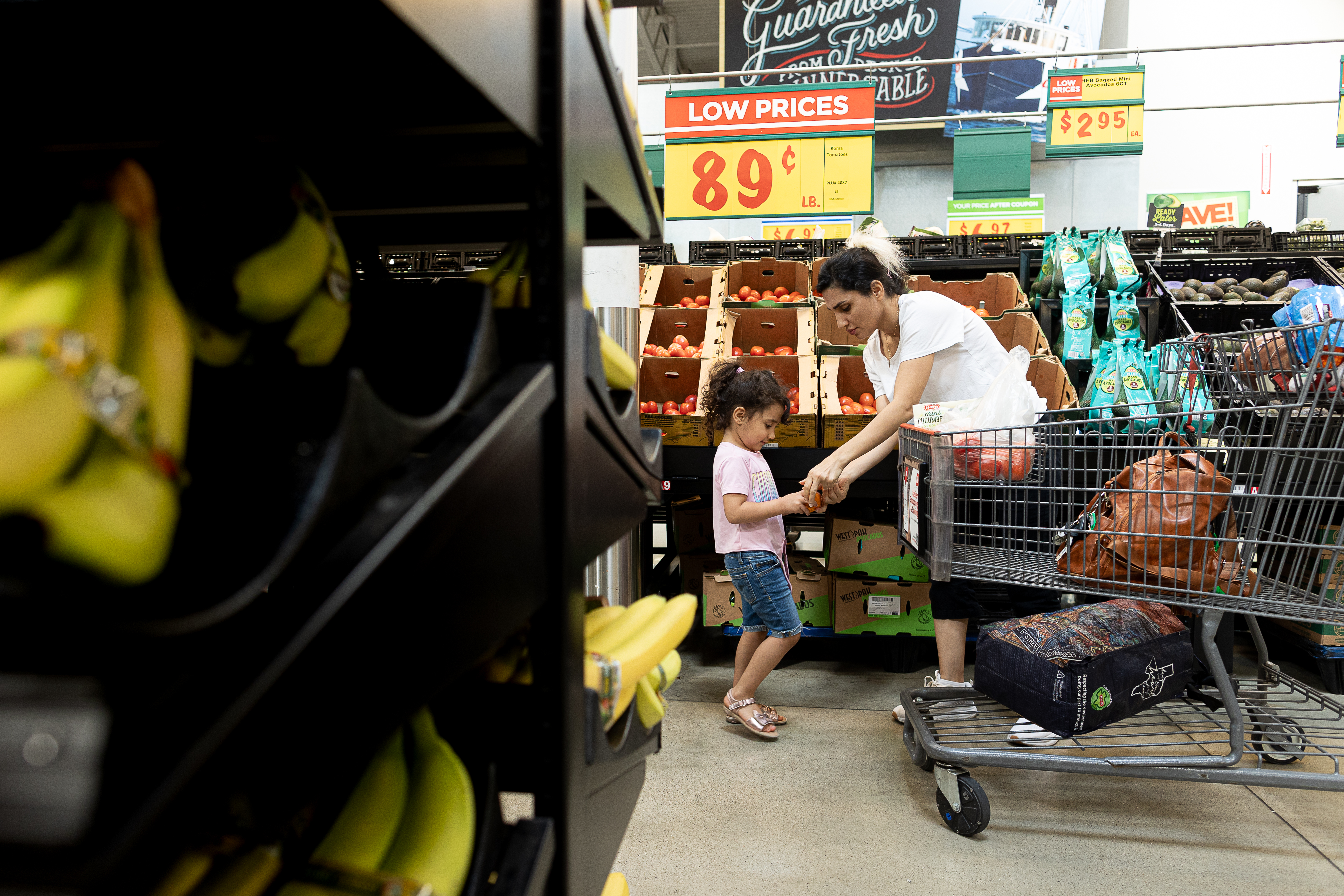
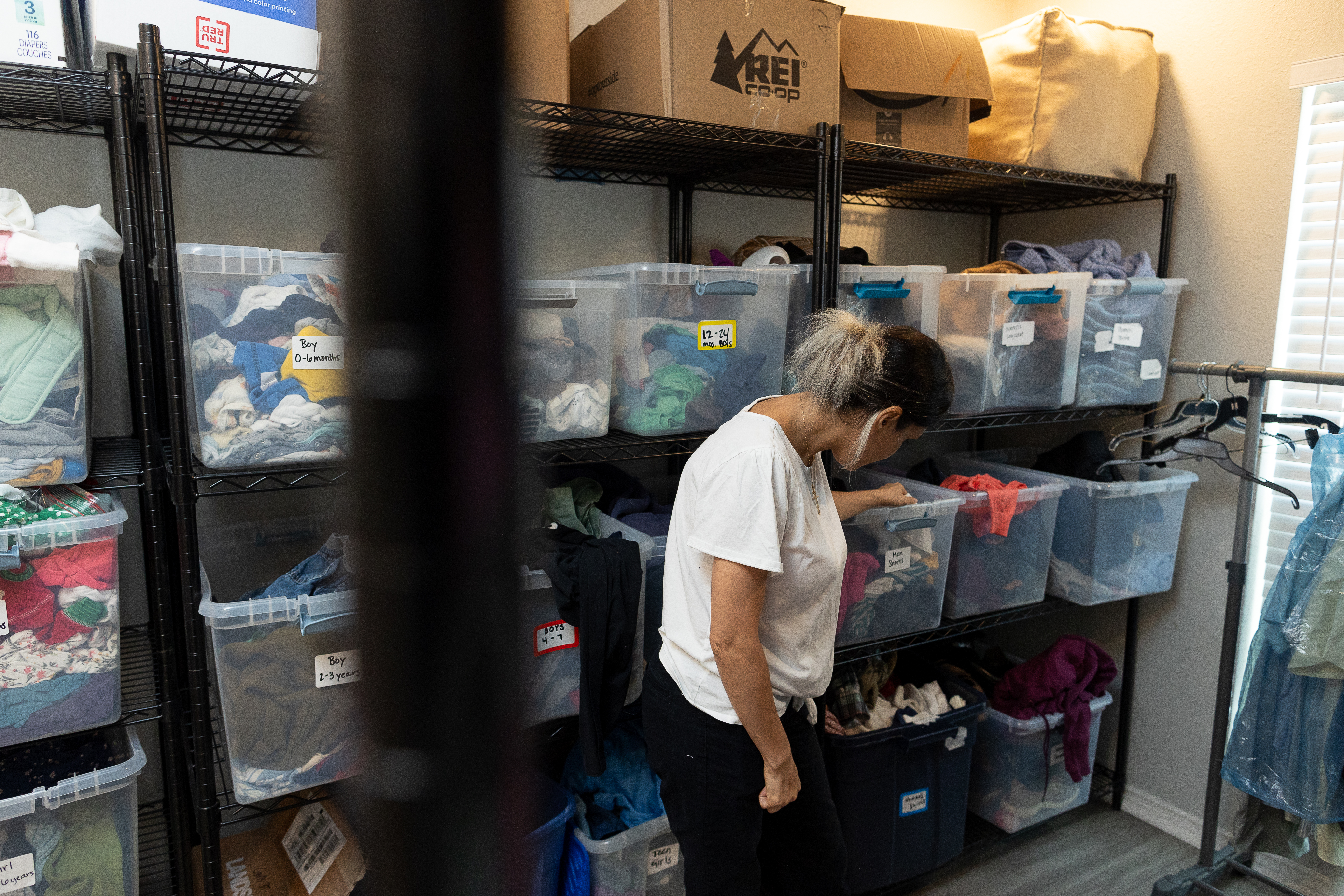
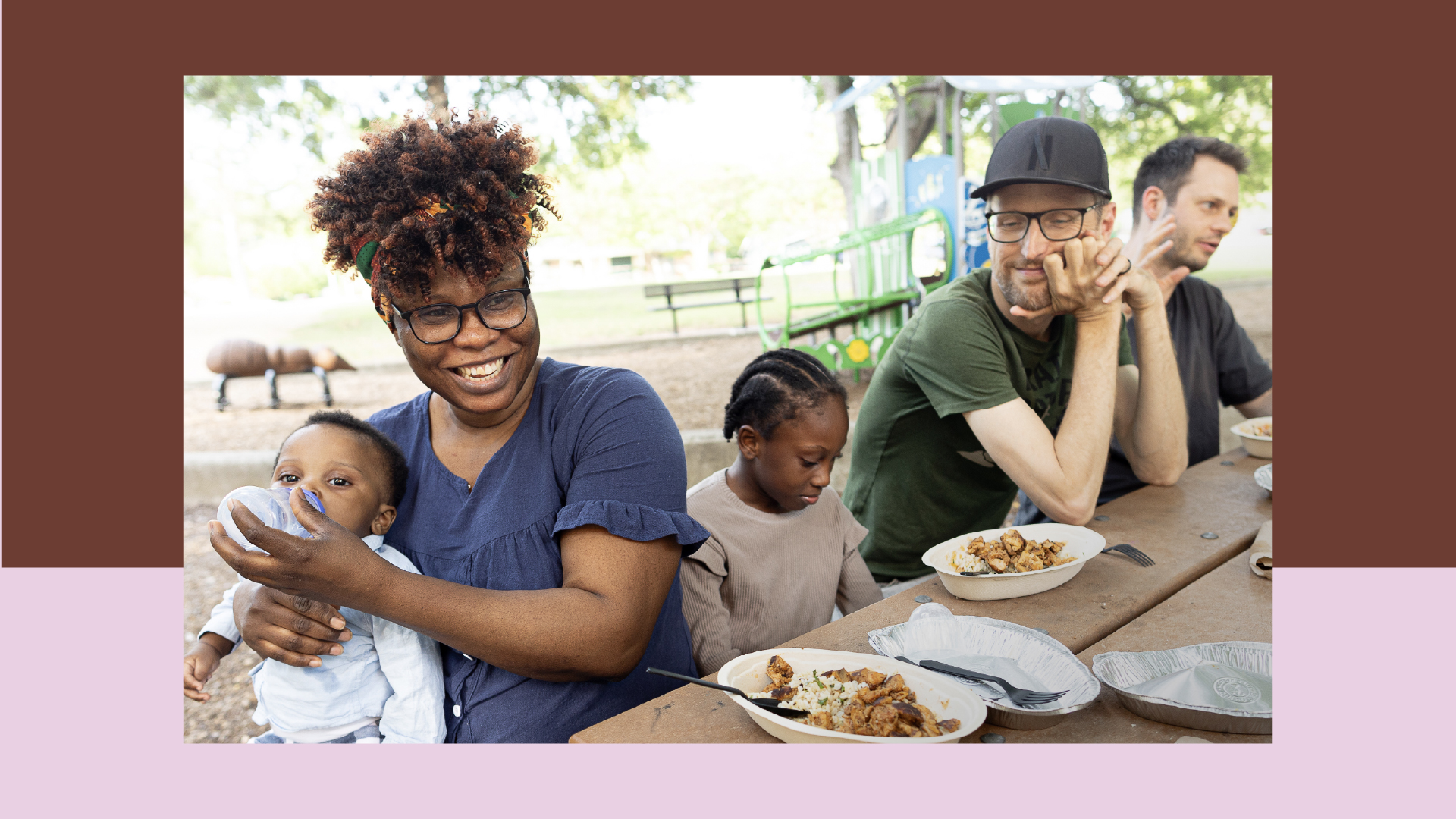
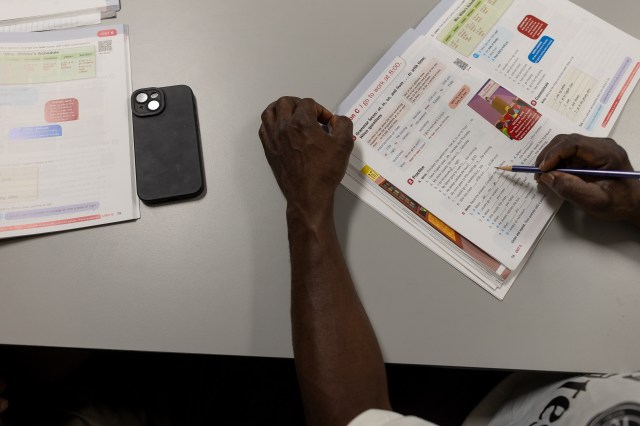
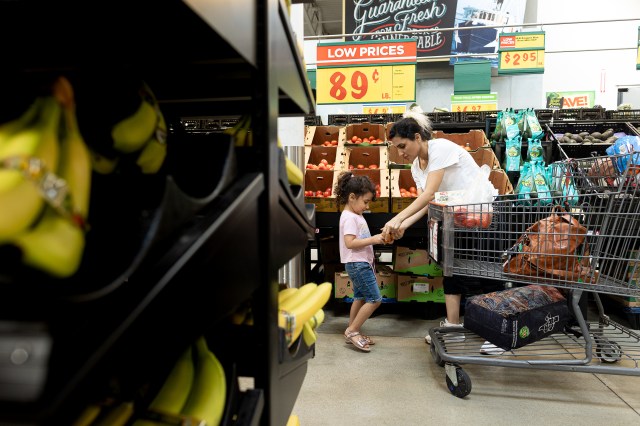
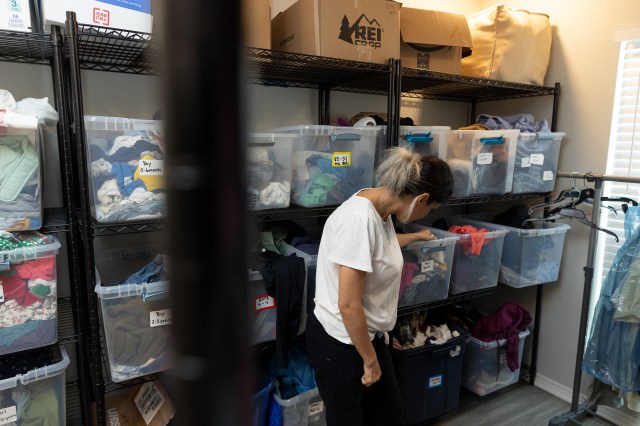
Refugees take English classes that include a Bible story and discussion. Staffers and volunteers provide childcare during classes, donate housewares and clothing, transport participants to appointments and grocery stores, help them find legal and medical aid, and read notices that come home with schoolkids or in the mail.
Longtime volunteer Amy Riesterer recalls one refugee saying, “I have to go to the bank, I have all of these checks.” Riesterer had to explain that they were “those fake promotional checks you get in junk mail.”
related


The work is chaotic. Scattershot systems track clients, volunteers, English class attendance, transportation needs, and so on. Adding to the lack of organization are the inherent difficulties that arise in multi-language, volunteer-heavy environments: Asylum seekers are transient, language barriers make texts and phone calls clunky, and volunteers sometimes withdraw their commitments on short notice.
Some volunteer hours are spent sorting through unusable donated junk instead of fulfilling more pressing needs. For all its zeal, the small staff finds itself playing catch-up on policies and procedures as they navigate frequent crises.
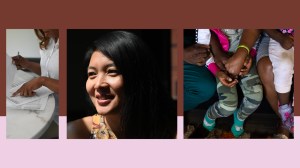
 Photography by Melanie Grizzel for Christianity Today
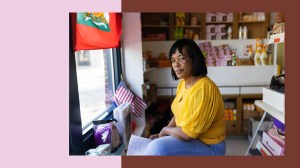
 Photography by Melanie Grizzel for Christianity Today
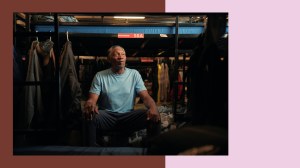
 Photography by Melanie Grizzel for Christianity Today
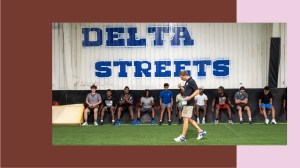
 Photography by Melanie Grizzel for Christianity Today
Staffers hope to formalize their family match program, pairing immigrants with church community groups to help newcomers navigate life in the States. Soon, they’ll implement small group therapy sessions for immigrant women to process trauma.
Back at the office, a weary Burmese mother robotically bounces a 10-month-old baby on her lap as an interpreter tells More Than Welcome staff about the woman’s unsafe domestic situation. The organization has helped clients escape violent spouses and work out plans for meeting immediate and long-term needs.
They wrestle with finding the balance between supporting and enabling. They’ll cover one month of rent in special cases, but some—like survivors of domestic abuse—might need more help. Samuragwa envisions acquiring apartment complexes where More Than Welcome could provide housing, jobs, and other services to newly arrived families. He wants to expand to other cities and is developing a five-year plan with the organization’s board.
That’s long-term work. For now, on one Tuesday afternoon, a volunteer helps a 16-year-old Pashto Afghan immigrant learn to drive. Across town, a team visits a 71-year-old Rwandan woman named Margue. She serves Coke Zero and raises her head heavenward, loudly thanking God in Kinyarwanda, her native tongue, for sending visitors to her home.
Katie Gaultney is the administrator of the Zenger House Foundation.
This article appeared in the September/October 2025 issue of Christianity Today as "More Than Welcome".
Related