Some people are born to run. I am not. I can still recall the feeling of dread during the walk from my junior high school to my class’s off-campus running spot. Inevitably, burning in my lungs followed. But after about eight minutes, I finished the run. I never got a runner’s high or figured out my stride. Growth mindset hadn’t yet entered the pedagogical lexicon, so I found myself trying to “just do better” next time, to will my body to speed up. You might say I bypassed growth in resilience and went straight to determination and grit. But resilience is more than an act of the will.
In this issue, we bring you the story arc of resilience—from those who failed or overcame, and those whose faith held fast through hardship. Historian Thomas S. Kidd shows us the resilience of missionary Adoniram Judson, who ministered in Burma (now Myanmar), translating the Bible into the country’s language and establishing Baptist churches amid much hardship.
Stories of resilience aren’t confined to the past. Haleluya Hadero reports about the civic work churches today are doing to revitalize Gary, Indiana, a city once prosperous due to the steel industry.
Resilience is also never confined to the self; it always requires a community, a place and people in which to be rooted. Marvin Olasky interviews Tish Harrison Warren on her community and on modeling resilience for children. We also review her newest book, alongside two others.
We seem to go off course when we ruminate and isolate. Bonnie Kristian argues that our incessant focus on gender neglects the real work of being virtuous men and women who are embedded in relationship. And our Roundtable contributors—Justin Whitmel Earley, Katelyn Walls Shelton, and Matthew Lee Anderson—discuss the interconnectedness of Christian virtue and the practices of elective vasectomies and hysterectomies.
When we read stories of resilience, we want to see the best parts of humanity and know that those are attainable for us. Emily Belz reports from Minnesota’s Twin Cities, where the US government had welcomed Christians from the Karen people group who were fleeing violence in Myanmar. But now immigration officers have gone after them. Local churches have responded with aid and legal help.
What motivates churchgoers in Minneapolis to risk themselves on behalf of others? What prompts church leaders in Gary to care for their city? What kept Adoniram Judson in Burma when family members died? It is more than simple grit, an act of will before a hard run. As Christians, we know resilience for its own sake rarely motivates. Resilient faith is less about the process, the hardship, or the outcome and more about the object of our faith—Jesus Christ. Jesus models not grit but sacrifice, not rumination but reliance, not grasping but giving his very life.
Belz’s news story on the Karen Christians reminds us of the point of resilience. She records that when she asked one detained Christian if he was mad at God, he replied, “Jesus himself, when he came on earth, he had to go through worse than this. . . .He also commanded us that we have to go through trouble while we live in this world, and we will have peace in the afterlife.” Union with Christ through the power of the Spirit is what motivates our resilience.
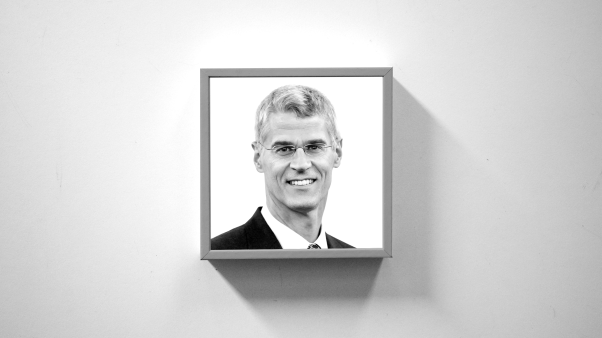
Ashley Hales is editorial director, features at Christianity Today.
This article appeared in the May/June 2026 issue of Christianity Today as "Editor's Note".
Related