Each year, the most-used dictionaries—like Merriam-Webster, Dictionary.com, and The Oxford English Dictionary—choose a word of the year. According to Merriam-Webster.com, the word of the year is determined by their lexicographers, the people who compile dictionaries. They analyze a large amount of data to identify words that make an impact on our conversations. The words that make it to the top of the list usually highlight the social trends and global events that defined the year.
While some of the words from the past few years, like demure, relate to a fun viral video, others tell a more interesting story about our habits and the way we try to bring our lives back into a state of peace by controlling them.
In 2024, the word manifest was searched nearly 130,000 times in the Cambridge Dictionary, making it their word of the year. Manifest is defined as the use of “methods such as visualization and affirmation to help you imagine achieving something you want, in the belief that doing so will make it more likely to happen.”
As a word in our English vernacular, manifest has been around since the early 1300s. However, it was not until the 2020 pandemic that the word’s usage skyrocketed in our global culture. Popularized by celebrities like Simone Biles, Oprah, and Ariana Grande, posts and videos about manifesting spread quickly on social media. Whether it was a new relationship, job, movie role, or Olympic medal, people began explaining their success, using the phrase I manifested this. This then gave rise to different manifestation experts and influencers who, for a small nominal price, could help you learn how to make your dreams reality.

How to Pray with ADHD
Connected to other self-help movements like the power of positive thinking and the law of attraction, manifestation invites you to believe that you can turn your dreams into reality through the following steps:
Visualize your desires, being specific about whatever it is that you want.
Ask the universe or a higher power for it, which can happen through prayer, meditation, or a vision board.
Start working towards your goals in “co-creating” with the universe or your higher power.
Attract your desires by cultivating positivity, using affirmations, or practicing gratitude.
Here’s the thing: outside of “co-creating” with the universe, these steps are not entirely untrue or unable to bring any positive change to your life. Creating a plan, praying about that plan, and taking intentional steps to accomplish the plan all while remaining positive will sometimes produce the results you want.
The problem is that these steps create a formula of sorts that seems to provide a no-fail plan to achieve our best lives. So much so that when people say, “I manifested this,” it sounds like by the magic of their hard work and good planning they made whatever they wanted to appear. It is as if they are Vanna White from Wheel of Fortune making a letter on the screen appear with the simple touch of a finger.
But formulas are only as good as their inputs, and manifesting assumes you control all the inputs.
When our lives are devoid of peace, our culture’s false story of self-empowerment leads us to believe that we can resolve our situation through our own diligence and tenacity. Yet this pathway has hidden costs and advantages that are rarely shared when presented.
For example, some people who claim to have manifested a profitable business after quitting their 9-to-5 job leave out a few important details. They don’t mention the money they saved up before they quit or the large network they built while still working their 9-to-5 that was used to promote their product. Their well-curated Instagram video and coaching course gives you the impression that all it took was visualization, positivity, and hard work. In reality, a good portion of their success may have come from life circumstances that gave them a unique advantage.
On the other hand, while being intentional about our life choices can get us closer to our goals, sometimes, no matter how hard we work, things do not go in our favor. We can do all the things to manifest good health and still get cancer. We can try to manifest a spouse and stay single for years. Sadly, when the formula we’ve created doesn’t work, we rarely question the formula, but attribute our failure to user error.
This makes us insecure and fragile, as we turn inward when life goes in an unexpected direction. Instead of blaming the formula for misleading us, we blame ourselves. After ruminating on our inadequacies, we are left wondering, If I can’t work my way out of a difficult situation, then what hope do I have that things will get better?

If this weren’t enough, self-empowerment’s invitation to solve our problems through unlimited information doesn’t include the disclaimer that the people we will learn from might not be telling the truth. While we may have access to all the answers we could ever want, we will still be responsible for deciphering which ones are the best or the most truthful. As we embrace the path of self-education, we will learn a great deal of information but lack the wisdom required to use our knowledge well. Both online and offline, our overconfidence will cause us to misapply our knowledge in ways that are disastrous.
The false gospel of self-empowerment promises that we can control our lives and thereby attain our own peace, a belief that assumes that on our own we can see well enough to navigate through the world. But the inescapable reality is that our control and our vision are limited because we are limited. No matter how good our plan is, we can never account for the unexpected things life will throw our way.
What if instead of trusting in our limited abilities to obtain our peace, we trust in the one who is limitless?
Elizabeth Woodson is a Bible teacher, a theologian, an author, and the founder of The Woodson Institute, an organization that equips Christians to understand and grow in their faith.
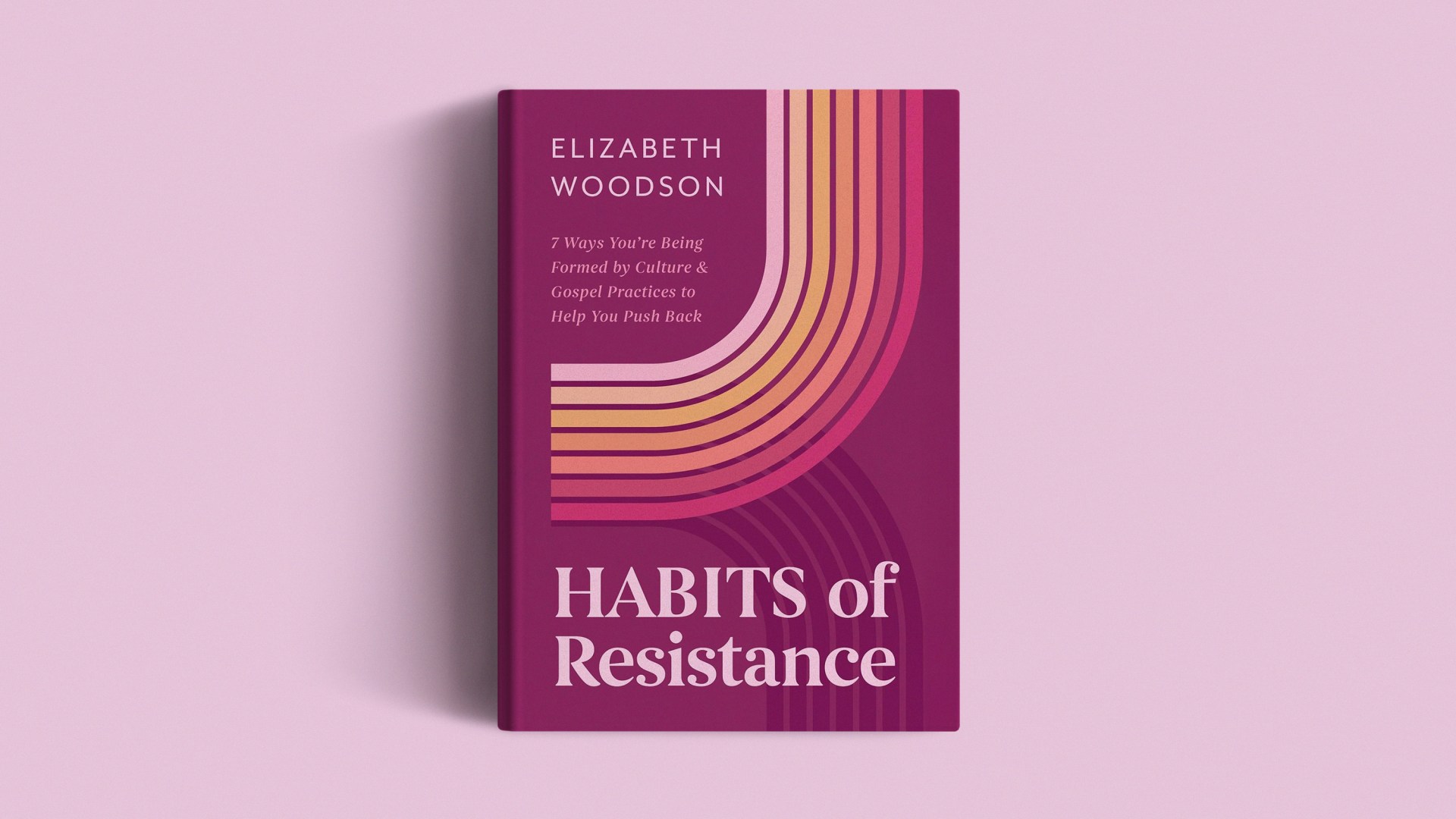
The following excerpt is from Habits of Resistance: 7 Ways You’re Being Formed By Culture and Gospel Practices to Help You Push Back by author Elizabeth Woodson published by B&H Publishing.