A recent story from Canada demonstrates the grim reality of euthanasia: A husband suffering from “caregiver burnout” brought his wife to the emergency room. She’d gone back and forth about wanting euthanasia—or, as it is politely called in Canada and some other places where it has been legalized (along with New York’s similar and recently legalized physician-assisted suicide), Medical Assistance in Dying (MAID). After being denied inpatient palliative care, the woman was “urgently” reassessed for euthanasia and killed the very same day—despite the objections of a previous assessor who had seen her the day before.
Caregiver burnout is a real problem, as anyone who has cared for a vulnerable loved one will tell you. Many are exhausted and frustrated when those they love cannot take care of themselves. In these situations, both those carrying this burden and those seeing themselves a burden to others would naturally find euthanasia tempting. This makes it all the more necessary to ensure that there’s no option to end the frustration by killing the person needing care.
Our culture idolizes independence and self-sufficiency to the point that people fear dependence on others more than almost anything else. The feeling of “being a burden” and a pervasive sense of loneliness are major reasons people seek euthanasia. The church of Jesus Christ has to offer people a better way of thinking about life and dependence if we want to push against the horrors of euthanasia.
The pressure to kill people simply because they are a burden on others will get worse in the next few years. As more baby boomers age into a time of life when they can no longer be independent, the strain on personal relationships and public finances will increase. Many people who never had children or are estranged from their families will find themselves alone and suffering. Many middle-aged families will find themselves responsible for caring for multiple parents at the same time. What can churches do?


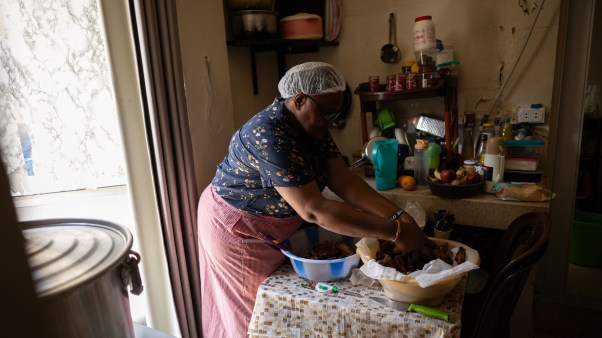
First, we must find ways to support and encourage families who are taking care of loved ones who are vulnerable. I know many Christians who have spent a season of their life—sometimes a very long season—caring for a relative with dementia, even to the point of spouses switching off Sundays at church for years. Their labor is a witness to God’s love for each of us that does not change if we are more or less mentally and physically dependent. While calling out these quiet acts of heroism by name from the pulpit is probably not appropriate, Christians should celebrate these faithful caregivers with the same vigor that we laud missionaries in foreign lands.
Second, churches should also consider whether they could take more ambitious steps toward caring for people in the waning years of life. The Yes in God’s Backyard movement is focused on creating affordable housing on or around church properties, with some developments specifically designing spaces for the elderly. A “dementia village” in the Netherlands was designed to keep people engaged in community, even mixing them with preschool programs, so the elderly can enjoy time with small children rather than in isolation. Not every church has the resources to do this, but the need for these projects will become more severe.
For others, something as simple as regularly leading worship at a nursing home or other care facility might be the next step. Heritage Mission is one ministry that helps churches do this sort of work. While it may not be as exciting as other kinds of work, your church might give someone one last opportunity to hear the gospel.
related


Finally, churches need to equip members to respond to common arguments in favor of euthanasia. One common source of confusion is the difference between killing people and allowing them to die. Since we often choose to stop intensive care interventions when people are nearing death, it’s easy to assume there’s no moral difference between, say, taking people off ventilators and injecting a medication to stop their hearts.
The difference is that when we stop an intervention and the patient dies, we have not caused the death—cancer, dementia, or heart failure caused it. But if we give that patient a lethal dose of medication, the person giving that medication is responsible for causing that person’s death. It is the difference between accepting that God is in control of when a person dies and arrogantly taking that control for ourselves. Books like Kathryn Butler’s Between Life and Death, Ewan Goligher’s How Should We Then Die?, and Bill Davis’s Departing in Peace can be helpful in figuring out difficult details for families faced with these decisions.
Many societies in antiquity practiced “exposure”—abandoning children unwanted because of their sex or other unwanted traits. The early church rescued infants who had been exposed, eventually bringing about a moral revolution in a society that had wantonly discarded children and ending the practice. Now, followers of Jesus Christ have an opportunity to seek out those who are suffering and alone at the other end of life, sharing with them the ever-present love of God. It will take time, effort, and money to shoulder this responsibility well, but God has equipped us, wherever we are, to honor his children from the beginning of their lives to the end.
Correction (February 26, 2026): A prior version of this article was unclear on the distinction between euthanasia and assisted suicide.
Matthew Loftus lives with his family in Kenya, where he teaches and practices family medicine at a mission hospital. His book Resisting Therapy Culture: The Dangers of Pop Psychology and How the Church Can Respond is forthcoming from InterVarsity Press.