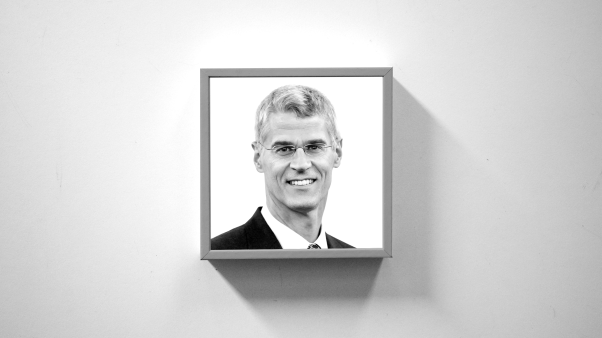
Update (Mar. 12): The New York Times offers a more in-depth look at the implications of Bulgaria’s new pope.
Update (February 26): Associated Press reports that Bulgaria’s Orthodox Church has selected its new pope, more than two months after the death of the church’s previous leader. The 14 bishops comprising the church’s Holy Synod elected Metropolitan Neofit of Ruse Sunday.
––-
While American attention was focused November 6 on the presidential election, Bulgarian Christians were focused on the death of Patriarch Maxim, leader of the Bulgarian Othodox Church–and alleged Communist spy.
Maxim’s association with Communists has been noted in media reports since his death. But those same reports have missed the real significance: “a real story of church leaders collaborating with evil,” says GetReligion’s George Conger.
In a blog post, Conger noted that attempts to oust Maxim after the fall of Communism led to “a schism and lawsuits over church property,” wounds that have not been entirely healed. With Maxim’s death, however, the schism may finally come to an end.
The Bulgarian Orthodox Church split in 1989 when anti-Maxim clergy formed their own synod. Supporters of the breakaway synod gained traction earlier in 2012, when English-language news outlet Sofia Echo reported that 11 of 15 members of the Bulgarian Orthodox Church’s Holy Synod had worked for Communist State Security. Maxim was not among those named in the report, but suspicions of his involvement remain.
CT recently noted that an Austrian pastor in the Church of Sweden gave up his license to preach after being exposed as a former spy for a once-feared Communist intelligence agency. CT has also examined whether past collaboration with Communist persecutors should bar pastors from ministerial positions, noting that this continues the debate started by Augustine and the Donatists in the 300s.
CT has previously reported how Communism no longer menaces Bulgarian churches (in theory), as well as how Bulgarian Protestants have resisted restrictions