
Rocks speak their own silent but eloquent language. And along the shore the multiple pebbles in a range of colors and textures, still damp from a high tide, each tells its own story of being chiseled and shaped by seawater and movement and continued rough contact with each other.
But how infinitely more complex are our human means of interaction! Our complementary human genders, our succeeding generations and cultural contexts—each has a distinct and distinctive history, a narrative, an identity, a character, a personality, a way of seeing the world and a way of expressing what we have seen and heard. We communicate, share, give out and take back, making war to protect our assets or assert our power, but also making art and making love. We are as varied and intricate and striking as stars or snowflakes. As internally rich and complex as geodes. Or seeds that hold compacted within themselves all the components of growth that burst into new leaves and flowers. Carl Linnaeus was able to sort these colors and shapes and growth patterns taxonomically and name them—a boon for the botanists that follow him and rely on his classifications. And we human beings? We’re as different as Eve was from Adam, and as they both were from antelopes or elephants or eels.
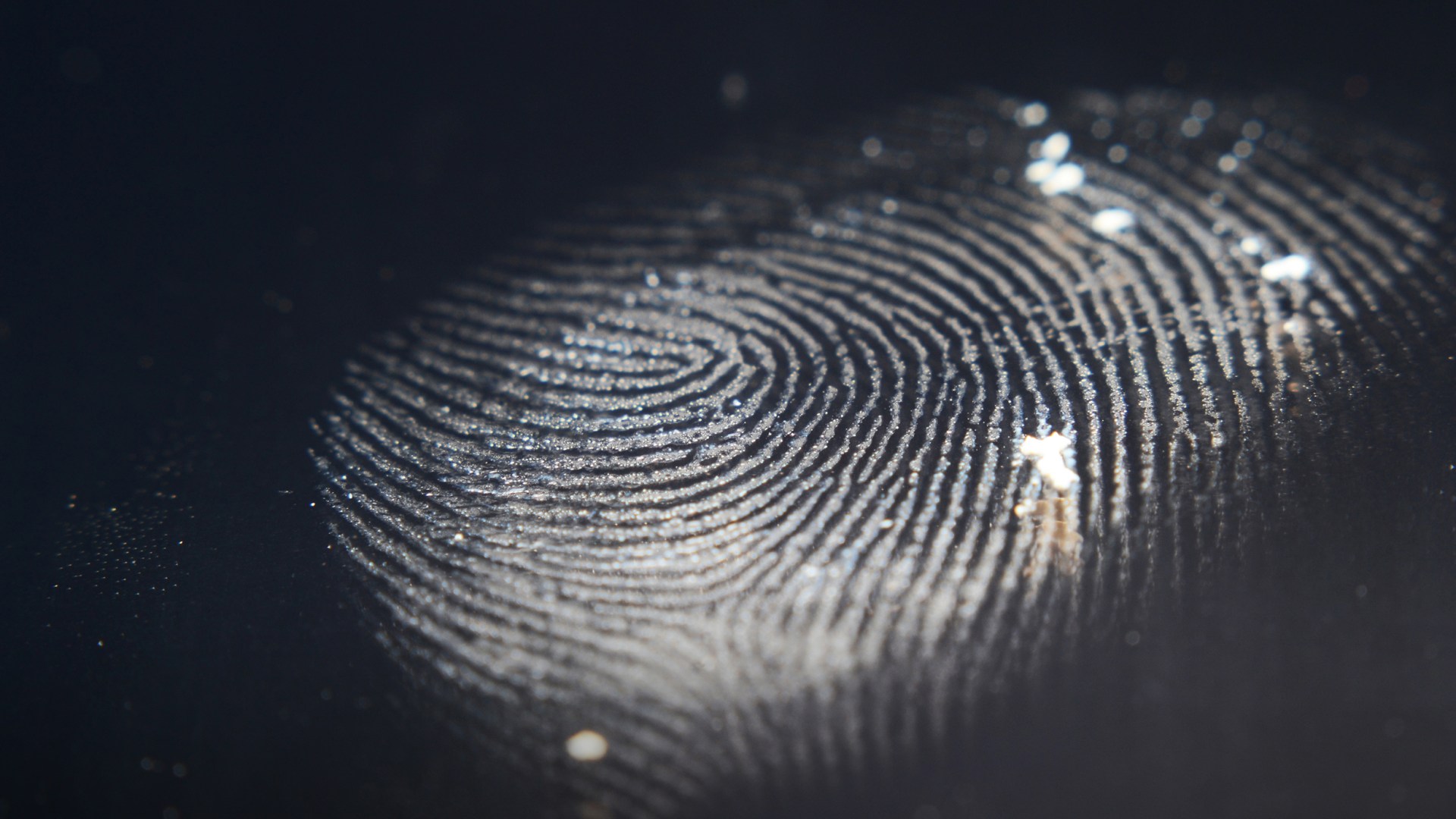
What a gift is particularity. And peculiarity! The uncommon, the distinctive, the unusual. I love the King James language in which Peter tells us that we are chosen by God to be “a peculiar people” with a special role in God’s economy. And I have come to believe, through observation and reflection, that when all the particulars are found on one planet, creating diversity, every instance of beauty and variation that results is God’s way of injecting grace into creation. I believe, with Richard Rohr, that every creature is a word of God, a way of expressing the value of that individual, that God loves diversity and makes of his entire creation a letter that he signs with his own fingerprints.
I’ve also concluded that beauty doesn’t reside simply in what we observe, or the fact that we can see and take note, but in how we perceive and distinguish, with all our senses.
I’m convinced that it is in juxtaposition, in relationship, in design, in contrast and comparison and pattern that we discover beauty and meaning, building on what is there, available, as we move forward into originating new beauties and meanings. Further, that we, as responders, are called on to create in the image of our Creator.
Luci Shaw is a poet, essayist, lecturer and writer-in-residence at Regent College, Vancouver
Taken from Thumbprint in the Clay by Luci Shaw. Copyright (c) 2016 by Luci Shaw. Used by permission of InterVarsity Press, P.O. Box 1400, Downers Grove, IL 60515-1426. www.ivpress.com