"Do not murder" seems to set forth a pretty clear ethical boundary. But what happens when science, ethics, and theology meet in one of the ever-expanding gray areas of modern medicine?
President Obama's March 9 decision to open up federal funding to previously unapproved stem-cell lines has brought the related issue of frozen embryos back into the national conversation. Bob Smietana at The Tennesseanrecently reported on couples who choose to keep embryos in storage despite increasing pressure to give excess embryos for research purposes. Smietana says an estimated 500,000 embryos are frozen in storage – "leftovers" from in-vitro fertilization. Some are being saved for possible implantation, while some are kept because the donors cannot bear to have them destroyed or given away.
But holding an embryo in storage is no cheap investment, costing anywhere from $200 to $700 per year. Many couples pay because they don't want to give the embryos up for adoption (fewer than 10 percent do) or they hope to have another child in the future (50 percent). A small percentage leave the embryos to die by natural causes, whatever that may look like (no one's quite sure yet), while about 20 percent intend to donate the embryos to research.
Here's where the line gets blurry: What happens when science can, in some sense, give life, but doing so involves a high proportion of lives stuck in a freezer for the foreseeable future? And what are our obligations to those embryos when potentially viable frozen life may have the possibility of improving the life of someone else who is suffering?
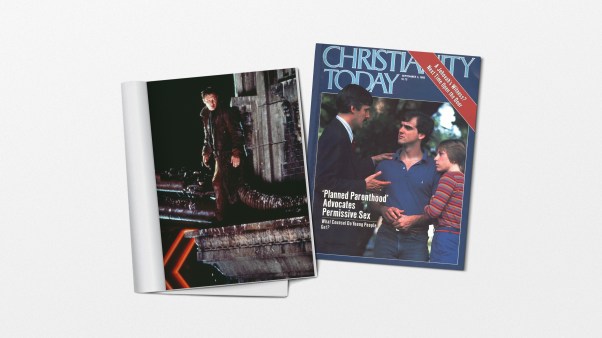
Doctors and ethicists have been discussing the gray areas for years. It's even a popular discussion in the movies, notably the 1993 film, Jurassic Park, where armchair philosopher Ian Malcolm takes the park creators to task for "creating" life without considering the consequences.
"Your scientists were so preoccupied with whether or not they could, they didn't stop to think if they should," he warns. "I'll tell you the problem with the scientific power that you're using here: it didn't require any discipline to attain it. You read what others had done and you took the next step. You didn't earn the knowledge for yourselves, so you don't take any responsibility for it."
Malcolm's fictional tirade was a clear commentary on the ethical murkiness of the future of science – and it has become no clearer as of late. The question still remains: What happens when we have the scientific ability to do things once thought impossible, but our ethical framework hasn't caught up to scientific reality? And meanwhile, what should happen to frozen life when the parents stop paying (or cannot pay) to maintain it?