
CT Daily Briefing – 08-26-2025

August 25, 2025
CT Daily Briefing

Today’s Briefing

Advice on short-term missions from a long-term missionary: Be honest about your motives, and resist the impulse to optimize for Instagram. 

Chuck Girard, who shaped the sound of the Jesus People movement with Love Song, Maranatha! Music, and solo hits including “Sometimes Alleluia,” has died at 81.

An invitation to Scripture shouldn’t be so quiet about the church.

When Hurricane Katrina hit 20 years ago, Christian groups showed up as heroes and helpers.

Behind the Story

From news editor Daniel Silliman: I am not trying to honor people when I write their obituaries. That’s a common misconception I hear from both readers who love what I do and those who are offended and feel betrayed. 

The job of an obit, as I understand it, is different from a tribute, reminiscence, or eulogy. An obit tries to explain the significance of the recently deceased and the role that person played in shaping the world we live in.

Sometimes I think about the readers who have never heard about the person I’m writing about. Is the obit useful to them? Does it help those people see how the deceased impacted their communities and maybe even their own lives? Then I think I’ve done my job. 

Most readers of a CT obituary, of course, will know something about Chuck Girard, James Dobson, John MacArthur, or whomever. I assume they want to know more. And I assume that most readers will pass judgment—deciding for themselves if they want to confer honor in some way, dishonor, or something else. I don’t think they need my help to make that moral evaluation. What they need from me is a fair, full, complicated account of the life that was lived, including the ways that person was praised and the reasons that person was criticized.


In Other News


August Is Make-A-Will Month!

Need to create or update your will but not sure where to start? Christianity Today has a trusted partnership with PhilanthroCorp, a Christian charitable will and estate planning firm, to provide you with free, no obligation, and confidential help based on your needs, values, and financial situation. 

How does it work? 

    1. A representative contacts you to arrange a phone appointment.

    2. On your first call, you answer basic questions for the estate planning specialist to learn how to best serve you. Additional calls are scheduled as needed. 

    3. You are given a plan for your attorney to draft final legal documents or PhilanthroCorp can refer you to an attorney in their network at reduced rates. 


Today in Christian History

August 26, 1901: The American Standard Version of the Bible is first published by Thomas Nelson and Sons. The A.S.V. spun off from the 1881 English Revised Version, the first nondenominational English revision since publication of the King James Version in 1611.


in case you missed it

Far before our time, the Renaissance humanist Giovanni Pico della Mirandola was an early advocate of transhumanism. In his Oration on the Dignity of Man from 1486, he has the…

If you’d asked me a year ago why so many American college students are struggling, I’d have told you a familiar story: Rising tuition rates fund bloated administrations and build bougier freshman dorms.…
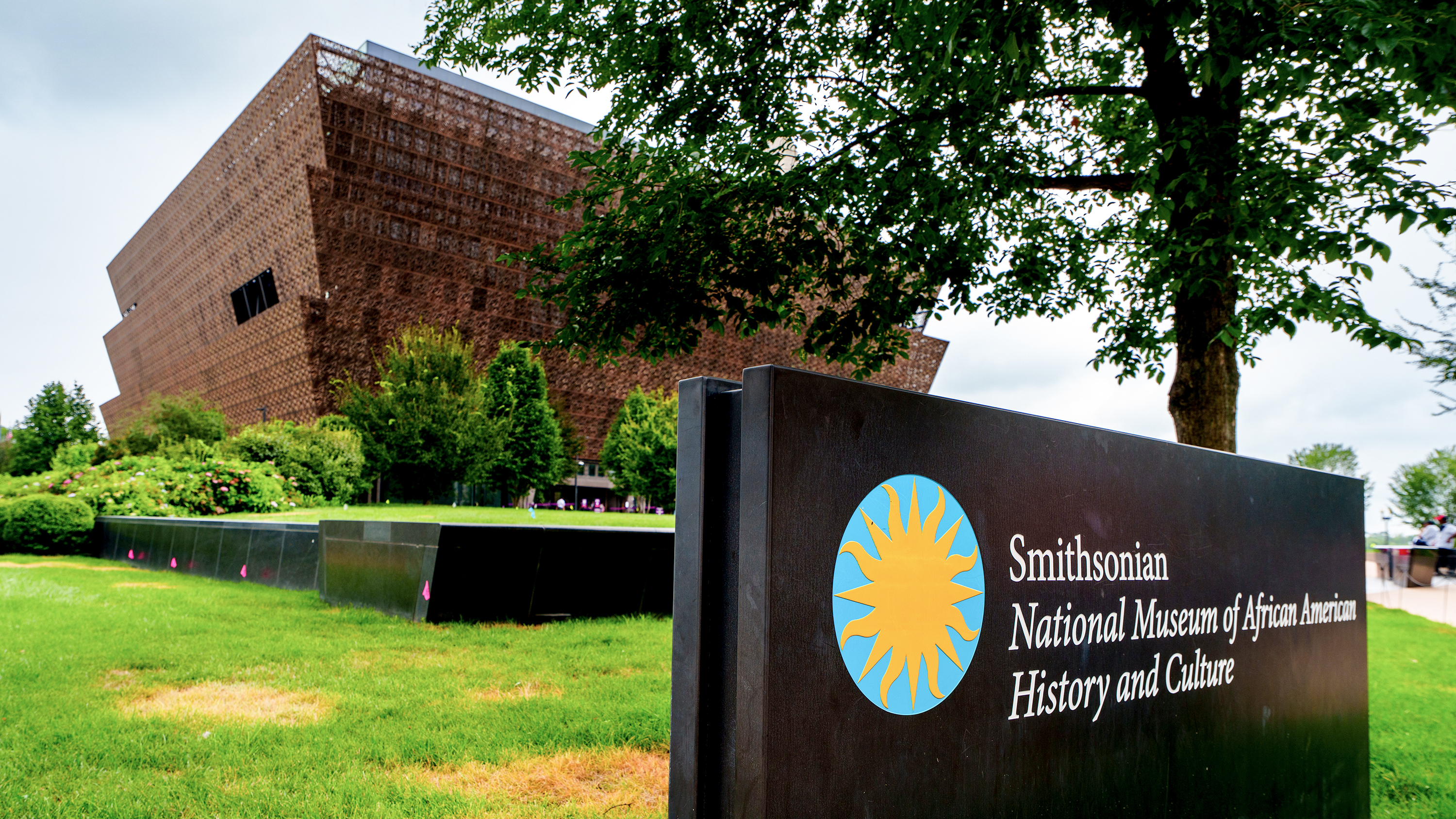
When the National Museum of African American History & Culture opened in Washington, DC, in 2016, a friend and I received coveted tickets to be among the first visitors. The collection is…

Every August, Japan celebrates Obon, one of the country’s biggest Shinto-Buddhist festivals. Vibrant dances set to the beat of taiko drums take place in temples or parks as a form…


in the magazine

As developments in artificial intelligence change daily, we’re increasingly asking what makes humanity different from the machines we use. In this issue, Emily Belz introduces us to tech workers on the frontlines of AI development, Harvest Prude explains how algorithms affect Christian courtship, and Miroslav Volf writes on the transhumanist question. Several writers call our attention to the gifts of being human: Haejin and Makoto Fujimura point us to beauty and justice, Kelly Kapic reminds us God’s highest purpose isn’t efficiency, and Jen Pollock Michel writes on the effects of Alzheimer’s . We bring together futurists, theologians, artists, practitioners, and professors to consider how technology shapes us even as we use it.

CT Daily Briefing

Get the most recent headlines and stories from Christianity Today delivered to your inbox daily.

Delivered free via email to subscribers weekly. Sign up for this newsletter.

You are currently subscribed as no email found. Sign up to more newsletters like this. Manage your email preferences  or unsubscribe.

Christianity Today is a 501(c)(3) nonprofit organization.
“Christianity Today” and “CT” are the registered trademarks of Christianity Today International.

Copyright ©2025 Christianity Today, PO Box 788, Wheaton, IL 60187-0788 
All rights reserved.

Apple PodcastsDown ArrowDown ArrowDown Arrowarrow_left_altLeft ArrowLeft ArrowRight ArrowRight ArrowRight Arrowarrow_up_altUp ArrowUp ArrowAvailable at Amazoncaret-downCloseCloseEmailEmailExpandExpandExternalExternalFacebookfacebook-squareGiftGiftGooglegoogleGoogle KeephamburgerInstagraminstagram-squareLinkLinklinkedin-squareListenListenListenChristianity TodayCT Creative Studio Logologo_orgMegaphoneMenuMenupausePinterestPlayPlayPocketPodcastprintRSSRSSSaveSaveSaveSearchSearchsearchSpotifyStitcherTelegramTable of ContentsTable of Contentstwitter-squareWhatsAppXYouTubeYouTube