



In this series




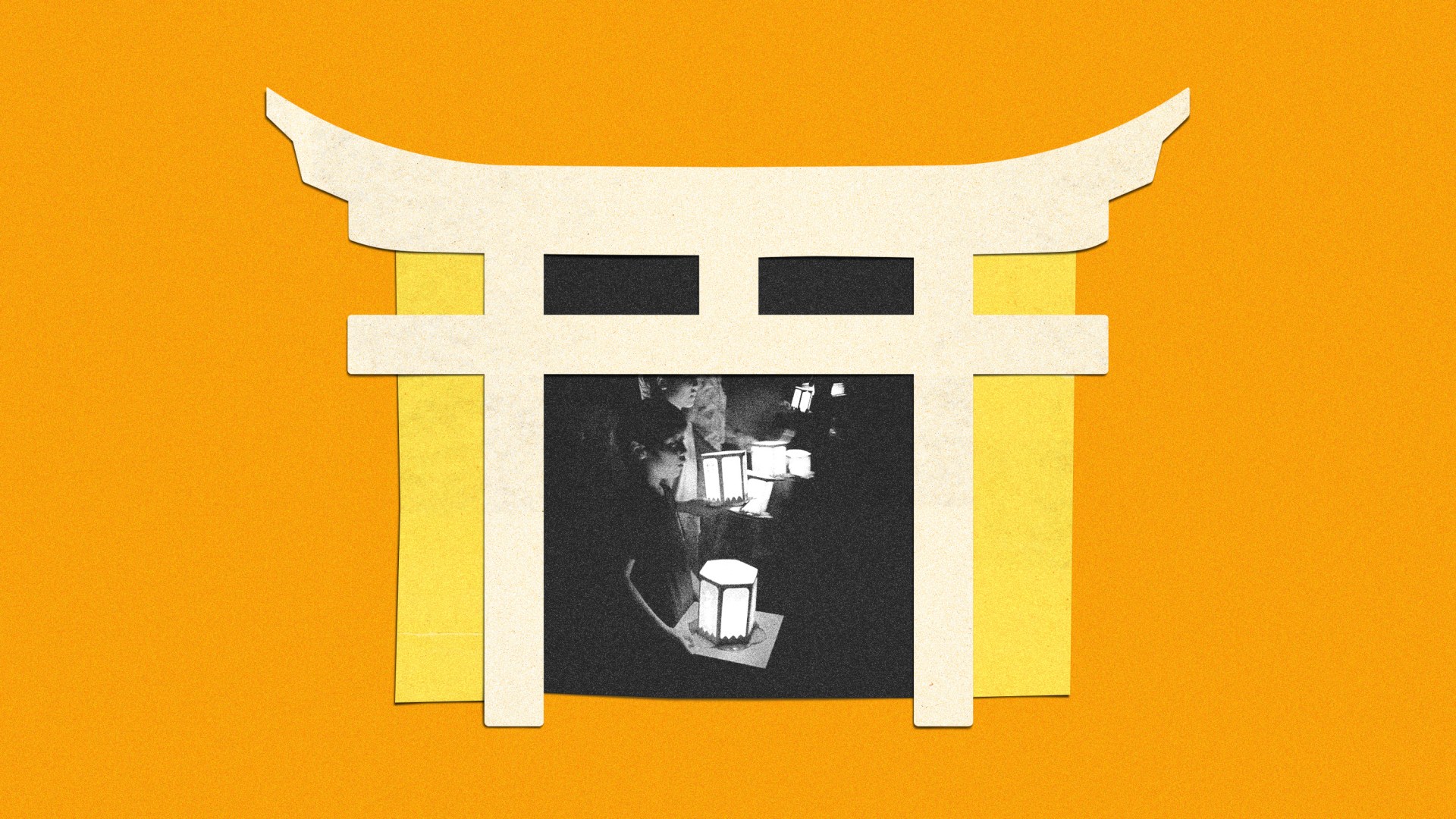
Every August, Japan celebrates Obon, one of the country’s biggest Shinto-Buddhist festivals. Vibrant dances set to the beat of taiko drums take place in temples or parks as a form of welcoming the spirits. Families visit their ancestors’ graves to pay their respects and light paper lanterns to guide the spirits back to the afterlife when the festival ends.
The Shinto belief that pervades this festival is the notion that the spirits of dead ancestors have become deities who watch over their living relatives. During Obon, it is customary to welcome these ancestral spirits into peoples’ homes.
Shinto, or Shintoism as it is known in the West, has profoundly shaped the history, culture, and worldview of the Japanese people. Yet literature in the English-speaking world—particularly addressing the relationship between Shinto and Christianity—remains limited.
To explore the nature of Shinto, its development in the country, its interactions with Christianity, and its implications for evangelism in Japan, Christianity Today interviewed Yoichi Yamaguchi, director of the International Mission Center at Tokyo Christian University.
“At Shinto’s foundation lies a mythological worldview: that Japan was established by the sun god Amaterasu, a chief deity,” Yamaguchi said. “The emperor is regarded as Amaterasu’s descendant.”
Between 2022 and 2025, Yamaguchi published a series of articles introducing key texts associated with Japanese Christianity (nihon-teki-kirisuto-kyo), a movement popular before and during World War II that attempted to wed Shinto and nationalism with Christian faith.
After the war ended, Japanese churches recognized the militant nationalism they had held on to and moved toward adopting a critical stance against syncretistic Christianity. They repented of practices like emperor worship, vowing to serve only God as their master.
More recently, however, Yamaguchi has sensed a growing openness among Japanese evangelicals to positively reengage Shinto because of the rise of contextual missiology and the diminishing of negative sentiments toward syncretistic Christianity 80 years after the war. Some Japanese Christians are also working to counter unfavorable portrayals of Shinto because they think it hinders evangelism, Yamaguchi added.
While Yamaguchi is encouraged by this openness to engage with Shinto and Japanese culture, he believes Christians should also be aware of “the ways in which the Japanese church has historically been compromised by them.”
“Respect and critique must walk together,” he said. “Only then can real understanding begin.”
This interview has been edited and condensed for clarity. Read each section below:
related