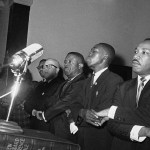
Memorials and remembrances are important. We remember the past not just to remind us of where we’ve been but also to help us move forward in the right direction. And every February, Black History Month gives us a chance to do just that.
Commemorations of Black history dates to “Negro History Week,” which was created by historian Carter G. Woodson in 1926—100 years ago this year. Woodson chose February to coincide with the birthdays of Abraham Lincoln and Frederick Douglass. Black communities were already celebrating both men, and Woodson thought the weeklong event could be a way for teachers to review all the Black history they had taught students within the previous year.
Woodson wanted Black students to learn about the accomplishments of African Americans and, in turn, be inspired to emulate “the examples of those who achieved in spite of tremendous handicaps.” Many of those handicaps, of course, were due to anti-Black racism. It was never Woodson’s intention for Black History Month to obscure that reality. But it’s fair to say much of our contemporary commemoration leans more toward acknowledging Black achievement than spotlighting historical injustices and how they impact us today.
Throughout history, African Americans have been a despised people. The US Constitution declared our ancestors to be enslaved noncitizens. That language remains in place to this day, albeit without legal force. During the Civil War, we were looked upon with resentment and hatred for resisting enslavement and formally fighting for our freedom. That hatred manifested into institutionalized racism through Jim Crow, which existed in the North as it did in the South, and inspired Nazis and Afrikaners alike.
Today, our communities struggle with police brutality, challenges to landmark voting rights protections, and as recently seen through the removal of a slavery exhibit in Philadelphia, efforts by the Trump administration to sanitize our history. Our experience is an enduring struggle to affirm our humanity within a society whose power structure continues to deny it. And in many ways, this struggle mirrors the experience of Judeans under Roman occupation and of Jesus, who was despised yet without sin.


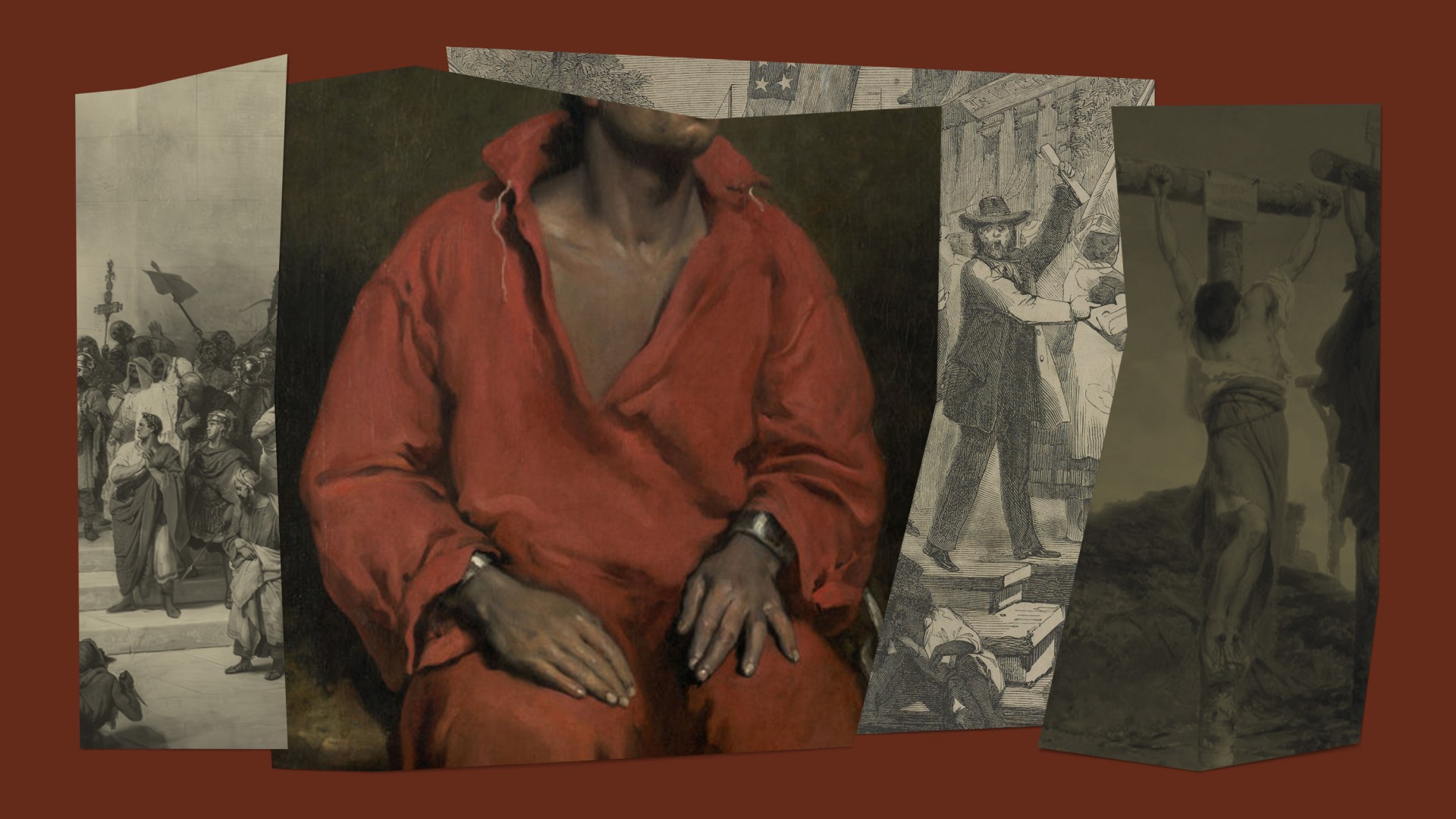
Christians generally know that Roman occupation was oppressive and overarching, touching every aspect of life. But the day-to-day aspect of the brutality is less known. Though King Herod was a visible representative of Roman authority, the Roman military was even more so. Roman soldiers demanded goods and services in the form of labor for whatever they saw fit. They also used rape to terrorize and demoralize occupied peoples, just as white slave owners did so in the US against many slaves.
When Judeans resisted and rebelled against Roman authority, crucifixions were used—much like lynching in the 20th century—to quell dissent and solicit compliance with Roman rule. Quintilian, the Roman historian, is thought to have said: “Whenever we crucify the guilty, the most crowded roads are chosen, where the most people can see and be moved by this fear. For penalties relate not so much to retribution as to their exemplary effect.”
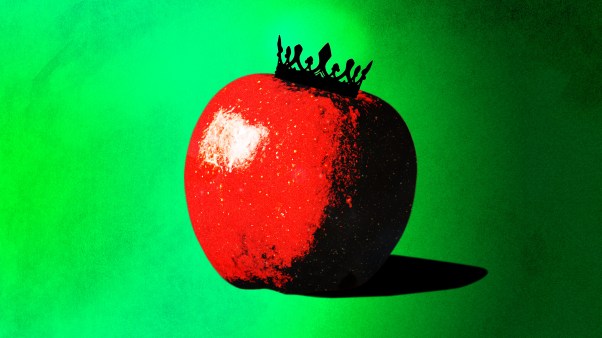
In the same manner, Black men left hanging from trees sought to remind Black people of their place within white society. As Billie Holiday famously sang, the men were strange fruit left to rot—an analogy that can be extended to our God, who too was left to rot on a cross after he was beaten, flogged, mocked, and humiliated (John 19).
related


I’m not the first person to point out this parallel, but it’s something I think about often. How we see Jesus, after all, should impact how we see other people—as image bearers of God who have worth and value.
But concerns about dehumanization still ring true in our country, particularly currently against immigrants who find themselves scared and vulnerable to the federal government’s overreach. It’s an experience African Americans are all too familiar with. And thus, the lesson is one we—both as Americans and as Christians—must learn repeatedly.
We can recognize Black History Month appropriately this year if we strive to ensure everyone, regardless of their race or immigration status, can be treated as the image bearers they are.
Our commemoration of Black History Month should not be redundant and lacking power. It should not be dominated by businesses who seek to profit off people and movements. Nor should it merely seek reconciliation without also moving toward restitution.
Instead, let us honor the accomplishments of the past by working to eliminate any “tremendous handicaps” that can and do hinder Black people—and anyone from a historically oppressed group, for that matter—from accomplishing great things. Let us also celebrate the goodness that has come from Black people in the places racism has put them and end the racism that put them there.
Rann Miller is an educator and freelance writer based in southern New Jersey. His writings on race, education, and politics have been featured in The Washington Post, The Philadelphia Inquirer, and Salon. Miller currently serves as a youth ministry teacher at The Perfecting Church in Sewell, New Jersey.