Today’s generation of pastors’ wives fill a different role than the dressed-up, casserole-toting caricature that came before them, but they still feel the pressures of being married to ministry.
About 1 in 4 Protestant pastors’ spouses in the United States works a full-time job outside the church, while about 1 in 5 holds a paid position at church alongside their spouse, according to a LifeWay Research survey released Tuesday.
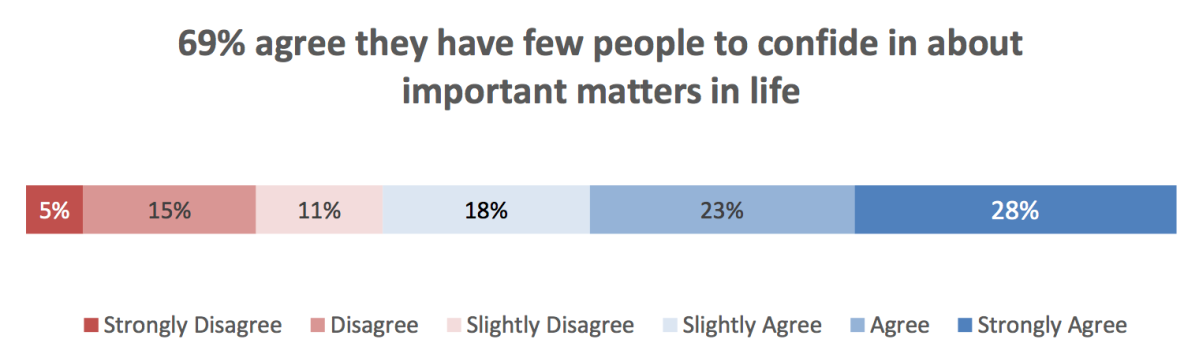
Younger spouses expressed more frustration than older ones over how their position impacts their friendships and finances. About 7 out of 10 pastors’ spouses say they have few people to confide in, LifeWay researchers found. More than half don’t feel enough emotional connection to others, or worry about being betrayed by people at church.
“Over the decades of my ministry, the role of women married to pastors, as well as of women in general, has radically evolved,” wrote Kay Warren, who advised LifeWay on its questionnaire, in the preface to her book on being a pastor’s wife, Sacred Privilege, which came out in May (excerpted here).
“From behind-the-scenes, mostly-in-the-home pastors’ wives of my mother’s generation to women copastoring or serving as the senior pastor—as well as everything in between—the role of the pastor’s wife has not remained static.”
Warren, wife of Saddleback Church pastor Rick Warren, dismissed old advice on tuna casserole preparation or demure fashion as laughable compared to the real-world stressors experienced on this side of ministry.
Younger wives (96% of respondents were female) indicated more challenges in building relationships, facing church conflict, and dealing with the feeling of “living in a fishbowl,” according to LifeWay.
 LifeWay Research
Joanna Breault wrote for CT Women about the inevitable distance between pastors’ wives and the rest of the congregation:
When pastors’ wives walk up, the conversation goes quiet. Our remarks are often met with flattering-but-awkward deference. Our relationships still have a degree of distance. It is the pastor’s wife effect.
Sometimes these chasms are self-inflicted, the result of having been hurt in the past and keeping ourselves safely aloof. Sometimes they are the result of an unhealthy church culture that puts our husbands and families on pedestals. But sometimes they are the result of congregants not making peace with the fact that their pastor’s wife is just a regular person.
“It is definitely a challenge. In the role of being the burden-bearer, you wonder if there’s anyone to bear your burdens,” said Dorena Williamson, whose husband leads Strong Tower Bible Church in Nashville.
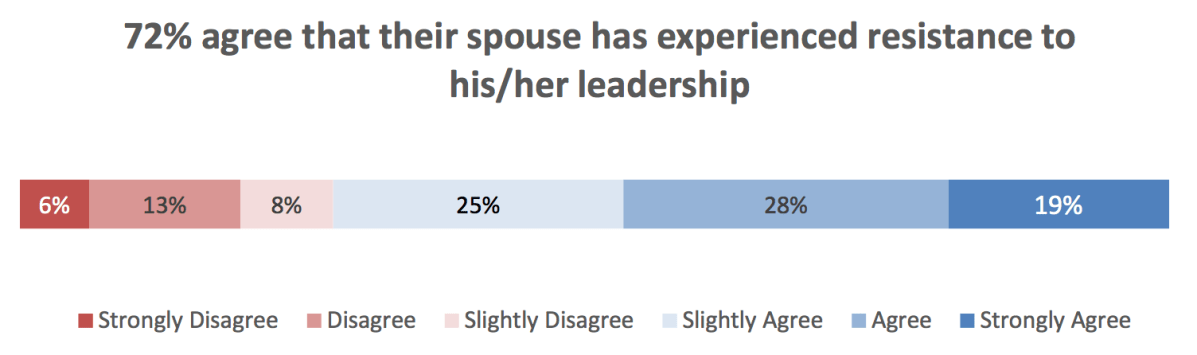
Like Williamson and Breault, more than half of the pastors’ spouses polled by LifeWay had experienced church conflicts such as personal attacks (51%) or resistance to their spouse’s leadership (72%).
 LifeWay Research
A third of Protestant pastors’ spouses are under the age of 45 and most have kids at home, both factors that lead them to be more sensitive to gossip and betrayal as church life inevitably spills over into family life.
Overall, pastors’ spouses see their family’s ministry involvement as a good thing; 90 percent say it has had a positive effect, according to LifeWay. More than half commit to regular family time at least once a week to avoid burnout and rest together.
While some spouses suffer anxiety, depression, and resentment tied to the pressures of being married to a pastor, most report being generally happy and satisfied with their lives. They view themselves as happier than their peers (74%) and see their work as valuable to the ministry (88%).
The vast majority (85%) of pastors’ spouses agree that their church “takes good care of us,” though well over half (61%) say one paycheck is not enough. About two-thirds worry about retirement in particular.
More pastors’ spouses now work outside the home or church; 53 percent are employed part-time or full-time, mostly in the private sector.
Regardless of whether they work at the church or not, pastors’ spouses say they too feel a call to ministry, which helps them see value in their role. About a quarter say they share a calling with their spouse, and half say they have a different calling. And 9 percent have a seminary degree of their own.
LifeWay’s Survey of American Pastors’ Spouses, sponsored by the North American Mission Board (NAMB), Houston’s First Baptist Church, and Houston physician Dr. Richard Dockins, was conducted this summer, using a random sample from a mailing list of all US Protestant churches. Researches weighted the 722 respondents by denominational group to reflect the population and report a 95 percent confidence level.
See how LifeWay’s results compare with a 1981 Leadership Journal survey of pastors’ wives.