Culture

2007 Readers’ Choice Christian Music Awards

Skillet, Jeremy, Skillet, Rebecca, and more Skillet … plus your picks for Best Album and Best New Artist

Christianity Today January 1, 2007

The readers have spoken—and the fan clubs have spoken even louder! Once again we’ve provided an opportunity to vote for your favorites in Christian music. And once again, with more than 3,000 participants, the favorites are the usual suspects.

The top 5 Best Male Artists are the same as those in 2006 … and in 2005 … and in 2004. Only the order has changed ever so slightly, but Jeremy Camp has come out on top again. Picks for Best Female Artists haven’t changed much in the last couple of years either. Though she hasn’t done much in music over the past year, Rebecca St. James remains the far-and-above favorite.

Of course, technically speaking, Skillet would have run away with everything if we had let “Panheads” have their way. No question, Skillet took Best Group or Band of 2007 handily. But let the record also show that both lead singer John Cooper and guitarist Ben Kasica placed high as Best Male Artist, not to mention keyboardist Korey Cooper (also submitted as “John Cooper’s wife”), drummer Lori Peters, and their imaginary friend “Korey Peters” as Best Female Artist. Fans also tried to award Skillet with Best New Band, ignoring the fact that this year marks their ten-year anniversary. And though Comatosetechnically won out for Best Album of 2007, we just don’t feel that it’s right to award the same album two years in a row.

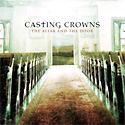
Which left the door open for Casting Crowns to score their first Best Album of the Year win with The Altar and the Door.  As for Best New Artist, the young band Rush of Fools claimed top honors, with The Almost living up to its namesake for second place.

We’d also like to give special props to fans of the Sydney-based worship band Garage Hymnal, who made a remarkably strong showing late in the survey, though not quite enough to place them among the finalists—you can learn more about the band at www.garagehymnal.com.

Lastly, congratulations to Janet Meyer from La Crosse, Wisconsin! She’s our randomly selected winner among those who took part in the survey, and will receive 15 free CDs of her choosing from our friends at Christianbook.com.

Thanks to everyone for participating!

Best Male Artist

Jeremy Camp

Update (Jan. 31): The Islamic State (ISIS) has released a video showing the beheading of Kenji Goto, a Japanese journalist and a Christian with a wife and two young children. The New York Times reported Saturday evening:


The video of the killing of the journalist, Kenji Goto, came two days after a deadline set by the extremists expired and the Jordanian government failed to give in to their demands that they exchange a convicted would-be suicide bomber for Mr. Goto’s life. Left unclear by the video, which was posted on a Twitter account associated with the Islamic State’s media organization, al Furqan, was the fate of a Jordanian pilot, whom the extremists also threatened to kill if Jordan did not release the would-be bomber, Sajida al-Rishawi. Japan had not yet authenticated the video. Jordan did not publicly comment.


Goto's 78-year-old mother, Junko Ishido, told journalists following the news of his death, “It is my only hope that we can carry on with Kenji’s mission to save the children from war and poverty.” She added, “Kenji has left us on a journey.”

Goto's wife, Rinko, said in a statement via the Rory Peck Trust, "My family and I are devastated by the news of Kenji’s death. He was not just my loving husband and father to our two beautiful children, but a son, brother and friend to many around the world. . . . I remain extremely proud of my husband who reported the plight of people in conflict areas like Iraq, Somalia, and Syria.
 It was his passion to highlight the effects on ordinary people, especially through the eyes of children, and to inform the rest of us of the tragedies of war." (The Peck Trust supports freelance journalists.)

—–

Last week, Japanese Christians, Muslims, and Buddhists held a vigil in Tokyo to show public support for the release of Kenji Goto Jogo, 47, the Christian journalist whom the Islamic State (IS) took as a hostage in Syria.

On Jan. 20, ISIS threatened to behead Goto and the captured Jordanian fighter pilot, Muath al-Kasaesbeh. (Another hostage, Haruna Yukawa, was beheaded a few days ago.) The terrorist group is demanding release from prison an Iraqi woman convicted in a 2005 terrorist attack in Amman. As of Friday, there was no word of the fate of Kenji and al-Kasaesbeh. A prisoner-hostage swap has been on the table for days. Christians joined the #PrayforKenji and #IamKenji social media campaigns to bring greater public pressure for his release.

Before Goto was taken hostage, some Japanese antiwar activists said his trips to Syria were misguided because they were too dangerous and undermined Japan’s pacifism. (In 2013, Algerian militants killed 13 Japanese workers.) The Japanese public has been extremely guarded about any involvement by Japan in the recent Middle East conflict. Article 9 of Japan’s constitution forbids Japan from making war on other nations. Only a self-defense force is legal.

But this past summer, Japan’s President Shinzo Abe reinterpreted Article 9 to allow Japan to use its self-defense force to aid allies during war—a move the United State supports, but many Japanese resist. Abe was in Cairo recently and announced that Japan would provide 0 million in nonmilitary assistance to nations resisting IS.

Goto, a freelance journalist and producer who became a Christian in 1997, has a reputation for traveling into war zones to cover the human side of violent conflict. “There are criticisms of his action. Before leaving for Syria, Kenji left a video message that he was aware that this attempt was very dangerous and he was taking the full responsibility for his actions,” Atsuyoshi Fujiwara, a professor of theology at Seigakuin University and founding pastor at Covenant of Grace Church in Tokyo, told CT.

“Some are critical. Yet mass media are very sympathetic to Kenji—and generally so is public opinion. They say that someone had to do this kind of work. And Kenji was a kind journalist who took a risk to rescue Yukawa."

Japan’s Christian minority largely supports the nation’s pacifist stance and view Kenji’s trips to Syria in that light. “Kenji is a Christian. Christian population in Japan is less than 1 percent of the national population,” Fujiwara said. “Not only his church, the United Christian Church of Japan, but also the churches in Japan are praying for him. We think that Kenji was doing important work for peace-making.”

But Fujiwara said, “Christians are strongly against the Abe regime as being militarily oriented and nationalistic. When you think about the opinions of Christians in Japan, you can almost assume that they are generally more antinationalistic, more nonviolence-oriented than the public. Christians should be peace-making, yet we need to be wise as serpents and give alternatives to the Abe regime.”

CT asked Fujiwara about unity among religious groups against terrorism. He said, "Islamic Center Japan condemned the action of ISIS on Jan. 23, 2015, saying that Muslims had not received religious harassment in Japan and the Japanese were not enemies of Muslims. Unlike Europe and North America, we have not had Protestant-Catholic conflicts in Japan, either. In addition, after the 2011 earthquake, religious organizations learned to work together for the common good when possible."

After ISIS said publicly that Kenji and Yukawa were being held hostage, the parents of both men apologized to Japan’s public on television for the trouble they caused. “The initial reaction here in Japan was that these two went and got themselves in trouble by going where they should not have gone and have made a problem for the country,” said another Tokyo-based pastor. “The reports from his pastor and others that Goto is a Christian and is motivated by giving children in war zones a voice did a lot to gain at least him favor in the eyes of the public that at least he was not just an adventure seeker.”

Kenji’s wife, Rinko, recorded a video statement, saying, “My husband is a good and honest man who went to Syria to show the plight of those who suffer.”

The Japan Times reported:


As a journalist, Goto is “devoted to reporting what should be reported with a firm conviction,” said Hiroshi Tamura, pastor of the Chofu Church of the United Church of Christ in Japan. Tamura had until March 2013 been pastor of the Denenchofu Church of the United Church of Christ, which Goto attended. He said Goto “has a strong sense of justice . . . and he has always been conscious of vulnerable people, including children.”


The UCCJ is Japan’s largest Protestant body. In 1941, the government forced all Protestant groups into the UCCJ. Today, it has 200,000 members and has a reputation for liberal theology. After the war, Baptists, Anglicans, Lutherans, the Assemblies of God, and a few others dropped out.

Goto’s journalism projects have aired on national media and he has published several books, including We Want Peace Not Diamonds: A Confession by Child Soldier Muria.

2. tobyMac

3. Chris Tomlin

4. Steven Curtis Chapman

5. Michael W. Smith

Best Female Artist

Rebecca St. James

Update (Jan. 31): The Islamic State (ISIS) has released a video showing the beheading of Kenji Goto, a Japanese journalist and a Christian with a wife and two young children. The New York Times reported Saturday evening:


The video of the killing of the journalist, Kenji Goto, came two days after a deadline set by the extremists expired and the Jordanian government failed to give in to their demands that they exchange a convicted would-be suicide bomber for Mr. Goto’s life. Left unclear by the video, which was posted on a Twitter account associated with the Islamic State’s media organization, al Furqan, was the fate of a Jordanian pilot, whom the extremists also threatened to kill if Jordan did not release the would-be bomber, Sajida al-Rishawi. Japan had not yet authenticated the video. Jordan did not publicly comment.


Goto's 78-year-old mother, Junko Ishido, told journalists following the news of his death, “It is my only hope that we can carry on with Kenji’s mission to save the children from war and poverty.” She added, “Kenji has left us on a journey.”

Goto's wife, Rinko, said in a statement via the Rory Peck Trust, "My family and I are devastated by the news of Kenji’s death. He was not just my loving husband and father to our two beautiful children, but a son, brother and friend to many around the world. . . . I remain extremely proud of my husband who reported the plight of people in conflict areas like Iraq, Somalia, and Syria.
 It was his passion to highlight the effects on ordinary people, especially through the eyes of children, and to inform the rest of us of the tragedies of war." (The Peck Trust supports freelance journalists.)

—–

Last week, Japanese Christians, Muslims, and Buddhists held a vigil in Tokyo to show public support for the release of Kenji Goto Jogo, 47, the Christian journalist whom the Islamic State (IS) took as a hostage in Syria.

On Jan. 20, ISIS threatened to behead Goto and the captured Jordanian fighter pilot, Muath al-Kasaesbeh. (Another hostage, Haruna Yukawa, was beheaded a few days ago.) The terrorist group is demanding release from prison an Iraqi woman convicted in a 2005 terrorist attack in Amman. As of Friday, there was no word of the fate of Kenji and al-Kasaesbeh. A prisoner-hostage swap has been on the table for days. Christians joined the #PrayforKenji and #IamKenji social media campaigns to bring greater public pressure for his release.

Before Goto was taken hostage, some Japanese antiwar activists said his trips to Syria were misguided because they were too dangerous and undermined Japan’s pacifism. (In 2013, Algerian militants killed 13 Japanese workers.) The Japanese public has been extremely guarded about any involvement by Japan in the recent Middle East conflict. Article 9 of Japan’s constitution forbids Japan from making war on other nations. Only a self-defense force is legal.

But this past summer, Japan’s President Shinzo Abe reinterpreted Article 9 to allow Japan to use its self-defense force to aid allies during war—a move the United State supports, but many Japanese resist. Abe was in Cairo recently and announced that Japan would provide 0 million in nonmilitary assistance to nations resisting IS.

Goto, a freelance journalist and producer who became a Christian in 1997, has a reputation for traveling into war zones to cover the human side of violent conflict. “There are criticisms of his action. Before leaving for Syria, Kenji left a video message that he was aware that this attempt was very dangerous and he was taking the full responsibility for his actions,” Atsuyoshi Fujiwara, a professor of theology at Seigakuin University and founding pastor at Covenant of Grace Church in Tokyo, told CT.

“Some are critical. Yet mass media are very sympathetic to Kenji—and generally so is public opinion. They say that someone had to do this kind of work. And Kenji was a kind journalist who took a risk to rescue Yukawa."

Japan’s Christian minority largely supports the nation’s pacifist stance and view Kenji’s trips to Syria in that light. “Kenji is a Christian. Christian population in Japan is less than 1 percent of the national population,” Fujiwara said. “Not only his church, the United Christian Church of Japan, but also the churches in Japan are praying for him. We think that Kenji was doing important work for peace-making.”

But Fujiwara said, “Christians are strongly against the Abe regime as being militarily oriented and nationalistic. When you think about the opinions of Christians in Japan, you can almost assume that they are generally more antinationalistic, more nonviolence-oriented than the public. Christians should be peace-making, yet we need to be wise as serpents and give alternatives to the Abe regime.”

CT asked Fujiwara about unity among religious groups against terrorism. He said, "Islamic Center Japan condemned the action of ISIS on Jan. 23, 2015, saying that Muslims had not received religious harassment in Japan and the Japanese were not enemies of Muslims. Unlike Europe and North America, we have not had Protestant-Catholic conflicts in Japan, either. In addition, after the 2011 earthquake, religious organizations learned to work together for the common good when possible."

After ISIS said publicly that Kenji and Yukawa were being held hostage, the parents of both men apologized to Japan’s public on television for the trouble they caused. “The initial reaction here in Japan was that these two went and got themselves in trouble by going where they should not have gone and have made a problem for the country,” said another Tokyo-based pastor. “The reports from his pastor and others that Goto is a Christian and is motivated by giving children in war zones a voice did a lot to gain at least him favor in the eyes of the public that at least he was not just an adventure seeker.”

Kenji’s wife, Rinko, recorded a video statement, saying, “My husband is a good and honest man who went to Syria to show the plight of those who suffer.”

The Japan Times reported:


As a journalist, Goto is “devoted to reporting what should be reported with a firm conviction,” said Hiroshi Tamura, pastor of the Chofu Church of the United Church of Christ in Japan. Tamura had until March 2013 been pastor of the Denenchofu Church of the United Church of Christ, which Goto attended. He said Goto “has a strong sense of justice . . . and he has always been conscious of vulnerable people, including children.”


The UCCJ is Japan’s largest Protestant body. In 1941, the government forced all Protestant groups into the UCCJ. Today, it has 200,000 members and has a reputation for liberal theology. After the war, Baptists, Anglicans, Lutherans, the Assemblies of God, and a few others dropped out.

Goto’s journalism projects have aired on national media and he has published several books, including We Want Peace Not Diamonds: A Confession by Child Soldier Muria.

2. Krystal Meyers

3. Nichole Nordeman

4. Natalie Grant

5. Bethany Dillon

Best Group or Band

Skillet

Screen shot

2. Casting Crowns

3. David Crowder Band

4. Nevertheless

5. Relient K

Best New Artist

Rush of Fools


Steve Hayner, one of the baby-boomer generation's most influential evangelical leaders, has died. He was known for his presidency at InterVarsity Christian Fellowship and later at Columbia Theological Seminary.

Hayner had battled pancreatic cancer for more than a year before his death on Saturday, January 31, at age 66. He is survived by his wife, Sharol, and three children.


Update Feb. 4: According to Columbia Seminary, a service celebrating Steve's life will be held at Peachtree Presbyterian Church, 3434 Roswell Road Northwest, Atlanta, Georgia, on Feb. 23 at 2 pm.


Hayner, most recently the president of Decatur, Georgia-based Columbia Theological Seminary, served as head of InterVarsity from 1988 to 2001, following a turbulent period for the organization.

"He united us around our purpose and mission to the campus, and all the growth we have experienced in the last decade stands on Steve’s shoulders," said Jim Lundgren, IVCF senior vice president.

Fellow InterVarsity leaders remembered Hayner in an online tribute, attributing to him their ongoing commitment to diversity. They described him as someone committed to healing; a kind, authentic friend; and the kind of leader who brought out leadership skills in others.

Columbia Theological Seminary released this statement:


Known by many throughout the world with love, affection, and gratitude, Steve was a person of many honors and degrees who refused to categorize others or himself by achievements. His goal was to always live to and for an audience of One, and his hope was to live life with wide open arms and relational integrity. His life was imbued with joy and freedom, which touched and changed many people along the way.

On Wednesday when the Columbia community gathered to worship and pray for Steve and his family, he continued to love the students, faculty, and staff as he texted to say, “On what will probably be my last day on this earth I want to send you all at the seminary my deepest love, gratitude and joy. Joyfully, Steve.”


A full statement from Columbia Seminary is here.

CT will update this story with additional information as it becomes available.

2.The Almost

3. Mandisa

4. This Beautiful Republic

5. Group 1 Crew

Best Album

Casting Crowns, The Altar and the Door


Steve Hayner, one of the baby-boomer generation's most influential evangelical leaders, has died. He was known for his presidency at InterVarsity Christian Fellowship and later at Columbia Theological Seminary.

Hayner had battled pancreatic cancer for more than a year before his death on Saturday, January 31, at age 66. He is survived by his wife, Sharol, and three children.


Update Feb. 4: According to Columbia Seminary, a service celebrating Steve's life will be held at Peachtree Presbyterian Church, 3434 Roswell Road Northwest, Atlanta, Georgia, on Feb. 23 at 2 pm.


Hayner, most recently the president of Decatur, Georgia-based Columbia Theological Seminary, served as head of InterVarsity from 1988 to 2001, following a turbulent period for the organization.

"He united us around our purpose and mission to the campus, and all the growth we have experienced in the last decade stands on Steve’s shoulders," said Jim Lundgren, IVCF senior vice president.

Fellow InterVarsity leaders remembered Hayner in an online tribute, attributing to him their ongoing commitment to diversity. They described him as someone committed to healing; a kind, authentic friend; and the kind of leader who brought out leadership skills in others.

Columbia Theological Seminary released this statement:


Known by many throughout the world with love, affection, and gratitude, Steve was a person of many honors and degrees who refused to categorize others or himself by achievements. His goal was to always live to and for an audience of One, and his hope was to live life with wide open arms and relational integrity. His life was imbued with joy and freedom, which touched and changed many people along the way.


On Wednesday when the Columbia community gathered to worship and pray for Steve and his family, he continued to love the students, faculty, and staff as he texted to say, “On what will probably be my last day on this earth I want to send you all at the seminary my deepest love, gratitude and joy. Joyfully, Steve.”


A full statement from Columbia Seminary is here.

CT will update this story with additional information as it becomes available.

2. David Crowder Band, Remedy

3. Relient K, Five Score and Seven Years Ago

4. tobyMac, Portable Sounds

5. Thousand Foot Krutch, The Flame in All of Us

Our Latest

Worship, Bible Studies, and Restoration in South Korea’s Nonprofit Prison

Jennifer Park in Yeoju, South Korea

Somang Prison, the only private and Christian-run penitentiary in Asia, seeks to treat inmates with dignity—and it sees results.

News

‘I’m Not Being Disrespectful, Mama. I Just Don’t Understand.’

America’s crisis of reading instruction is by now well-known. But have you checked on your kid’s math skills lately?

The Bulletin

Sunday Afternoon Reads: Lord of the Night

Finding God in the darkness and isolation of Antarctica.

The Russell Moore Show

Why Do Faithful Christians Defend Harmful Things?

Russell answers a listener question about how we should perceive seemingly harmful political beliefs in our church congregations.

The Complicated Legacy of Jesse Jackson

Six Christian leaders reflect on the civil rights giant’s triumphs and tragedies.

News

The Churches That Fought for Due Process

An Ecuadorian immigrant with legal status fell into a detention “black hole.” Church leaders across the country tried to pull him out.

The Bulletin

AI Predictions, Climate Policy Rollback, and Obama’s Belief in Aliens

Mike Cosper, Clarissa Moll, Russell Moore

The future of artificial intelligence, Trump repeals landmark climate finding, and the existence of aliens.

Apple PodcastsDown ArrowDown ArrowDown Arrowarrow_left_altLeft ArrowLeft ArrowRight ArrowRight ArrowRight Arrowarrow_up_altUp ArrowUp ArrowAvailable at Amazoncaret-downCloseCloseEmailEmailExpandExpandExternalExternalFacebookfacebook-squareGiftGiftGooglegoogleGoogle KeephamburgerInstagraminstagram-squareLinkLinklinkedin-squareListenListenListenChristianity TodayCT Creative Studio Logologo_orgMegaphoneMenuMenupausePinterestPlayPlayPocketPodcastprintRSSRSSSaveSaveSaveSearchSearchsearchSpotifyStitcherTelegramTable of ContentsTable of Contentstwitter-squareWhatsAppXYouTubeYouTube