
Church Life

Our Position on Missionaries

(Almost) everything you’ve heard about them is wrong.

As a sophomore at Calvin College, I began hearing a refrain from classmates who had shed their evangelical heritage like a bulky fur coat at the start of spring. "Evangelicals only care about abortion and gay marriage," they sighed, parroting headlines of the time. It was 2004, and the "values vote" had apparently secured George W. Bush's reelection. We rushed to show that no, really, we cared about poverty and social justice too (unaware that Jim Wallis, Ron Sider, and others had been saying this since before we existed).

Like a stellar magazine should do, CT set the story straight. Over Christmas or spring break, I'd pick up a copy at my parents' house and read about Christians who supported the partial-birth abortion ban—and also resettled refugees and reconciled Arabs and Israelis and turned the tide on HIV/AIDS. "A magazine of evangelical conviction" taught me that those convictions, rooted in the gospel of Christ, were broader and deeper than media wisdom suggested.

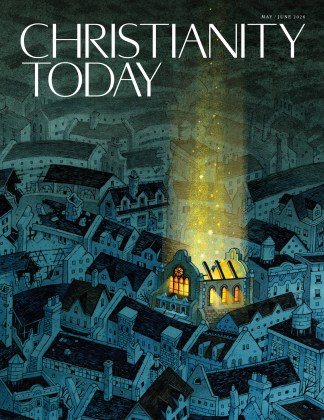
Our cover story this month lands another nail in the coffin of bad Christian stereotypes. Or, to borrow a metaphor from the sociologist whose award-winning research we debut on page 34: It sets off an atomic bomb over the recycled story about missionaries of an earlier era.

The pith helmet on our cover says so much. It was worn in earlier centuries by Europeans manning the jungles and deserts of Asian and African colonies. It connotes privilege, paternalism, and unfettered power. It is Heart of Darkness and Things Fall Apart and The Poisonwood Bible. And, so the story goes, it was donned by Protestant missionaries with as much ignorant pride as colonial rulers.

Sociologist Robert Woodberry (PhD, University of North Carolina–Chapel Hill) has dedicated his career to demonstrating why that story is plain wrong. Not only did these missionaries found schools, start printing presses, open hospitals, and ignite other initiatives crucial to societal health, but they were crucial to the spread of democracy in former colonies. Without these missionaries, the world today would have more authoritarian rulers and sick children and fewer books, hospitals, and educated women. With nary a Twitter hashtag or e-blast campaign, these missionaries did, actually, change the world.

And their spiritual descendants still do. On page 65, political scientist Mark Amstutz explains evangelicals' continued engagement in global affairs. And on page 56, Gary Haugen highlights how International Justice Mission, the evangelical nonprofit he founded in 1997, is stemming the violence that keeps the global poor in their place.

Surveying this issue of CT, I wish my 19-year-old self had a copy. She would have known a bit more about her evangelical heritage—and, I imagine, carried it with pride.

Follow Katelyn Beaty on Twitter @KatelynBeaty

To contribute Send checks (U.S. dollars only) to: Christianity Today, Attn: Donor Relations, Box CT1213, 465 Gundersen Drive, Carol Stream, IL 60188 Christianity Today International is a 501(c)(3) organization.

Also in this issue

The CT archives are a rich treasure of biblical wisdom and insight from our past. Some things we would say differently today, and some stances we've changed. But overall, we're amazed at how relevant so much of this content is. We trust that you'll find it a helpful resource.

Cover Story

The Surprising Discovery About Those Colonialist, Proselytizing Missionaries

What 'House of Cards' Gets Right About Staying in Politics

David Corbin and Alissa Wilkinson

Reply All

Wilson's Bookmarks

John Wilson

New & Noteworthy Books

Compiled by Matt Reynolds

Who Owns the Pastor's Sermon?

Bob Smietana

Excerpt

The Right Way to Give Someone a Blessing

Testimony

Christ Called Me Off the Minaret

Nabeel Qureshi

The Foreign Policy Mission of American Evangelicals

Interview by Timothy C. Morgan

Review

Tim Keller on Enduring Suffering Without Losing Hope

Gerald L. Sittser

The Dark-Tinted, Truth-Filled Reading List We Owe Our Kids

Hummus and the Holy Spirit

Bradley Nassif

News

Gleanings: January/February 2014

Why We're Losing the War on Poverty

Timothy C. Morgan

News

Why Egypt's Christian Families Are Paying Ransoms

Editorial

The Problem with the Fetal Pain Abortion Bans

News

Will the Supreme Court Pop Abortion Clinic Bubbles?

Bobby Ross Jr.

Shelter From the Storm

Photo by Kevin Frayer / Getty Images

When God Wears a Costume

Three Views: Is the $17 Trillion Federal Debt Immoral?

David P. Gushee, Gary Moore, Amy E. Black

News

What Happens When Schools Cut Denominational Ties

Bobby Ross Jr.

News

Jesus Is More All Right with Jews

Kevin P. Emmert

Review

Where Heaven and Nature Sing

Jake Meador

News

Should Christians Read Through the Entire Bible in One Year?

Compiled by Ken Walker

The 2014 Christianity Today Book Awards

View issue

Our Latest

News

Conservative Anglicans Nix Plan to Elect Rival to Archbishop of Canterbury

Emmanuel Nwachukwu in Abuja, Nigeria

Instead, Gafcon chose a committee-style leadership as it sought to reorder the communion due to Canterbury’s leftward shift.

News

Texas Ministries Help International Students Face Job Uncertainty

Hannah Herrera

As H-1B visas become more difficult to obtain, ministry workers provide housing, community, and biblical hope.

News

How EMDR—and Drawing Close to God—Helped a School Shooting Survivor

The trauma treatment is growing in popularity. It worked for Ellie Wyse, now in college and seeking to help teens hurting like she was.

Being Human

Justin Heap: The Rollercoaster of Growing Up in a Traumatic Family Situation

Can exploring the impact of trauma on our lives lead wounds to wisdom?


The Russell Moore Show

What the Iran War Could Do to Your Soul

War, in every case, is hell.

Considering Both Sides of Church Divisions

CT hosted debates about the charismatic movement and women’s ordination.

Review

The Forgotten Founding Father

Thomas S. Kidd

Three history books to read this month.

The Bulletin

Birthright Citizenship, War’s Moral Hazards, and Can Literature Save Men?

Mike Cosper, Clarissa Moll, and Russell Moore

Supreme Court considers citizenship at birth, war in Iran compels us to number our days, and the importance of reading.

Apple PodcastsDown ArrowDown ArrowDown Arrowarrow_left_altLeft ArrowLeft ArrowRight ArrowRight ArrowRight Arrowarrow_up_altUp ArrowUp ArrowAvailable at Amazoncaret-downCloseCloseEmailEmailExpandExpandExternalExternalFacebookfacebook-squareGiftGiftGooglegoogleGoogle KeephamburgerInstagraminstagram-squareLinkLinklinkedin-squareListenListenListenChristianity TodayCT Creative Studio Logologo_orgMegaphoneMenuMenupausePinterestPlayPlayPocketPodcastprintRSSRSSSaveSaveSaveSearchSearchsearchSpotifyStitcherTelegramTable of ContentsTable of Contentstwitter-squareWhatsAppXYouTubeYouTube