


Books

Faith-Filled Fantasy

The author of Shadowmancer tells another spiritual tale between angels and demons.

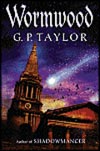
From the punk musician turned vicar turned bestselling author comes this dark fantasy novel about good and evil in 18th-century London. In Wormwood, G.P. Taylor (Shadowmancer) is long on scriptural imagery and otherworldly—often gruesome—demonology.
GLIMPSES OF THE DEVIL by M. Scott PeckFree Press,288 pp.; $26.00

In this tale (unrelated to Shadowmancer), the comet Wormwood is on a path toward London, threatening to leave the city in ruins. Dr. Sabian Blake tracks the progress of the comet while consulting a mystical ancient prophetic text that exerts a curious hold over many who possess it.

His 14-year-old servant girl, Agetta Lamian, steals the book, which entangles her with powerful forces from heaven and hell. Influencing her for good is the wounded captive angel, Tegatus, but he seems no match for the frightening yet alluring woman Yerzinia, who seeks to inhabit Agetta’s body.

A desperate battle between humans and the spiritual world ensues. In spite of the unsightly combat, “It is not for power that the universe was created, but for love,” says the angel Raphael, aka Abram Rickards.

Scriptural imagery abounds, and it is clear that God, although never directly alluded to, is at the center of the story. This novel is designed for older adolescent fans of the Harry Potter series, though it will also appeal to adults who like C.S. Lewis and J. R. R. Tolkien.

Copyright © 2005 Christianity Today. Click for reprint information.

Related Elsewhere:

Wormwood and Shadowmancer are available from Christianbook.com and other book retailers.

The Shadowmancer website has more information about Wormwood. It also has screensaver downloads, news, and G.P. Taylor tour dates.

More about Shadowmancer, G.P. Taylor’s first fantasy novel includes:

Weblog: Shadowmancer, Other Taylor Books Burned | Plus: Bush’s Dred Scott code, banning nuns’ habits in France, Focus’s “Candidate” wins, and other stories from online sources around the world. (Oct. 13, 2004)

From Sex Pistols to Shadowmancer | Vicar turned fantasy author took a bumpy road to the top. (Oct. 05, 2004)

A Christian Harry Potter? | Shadowmancer, Britain’s hit fantasy novel, conjures darkness so the light will shine brighter. (June 17, 2004)

The Dick Staub Interview: G.P. Taylor, Dracula’s Former Vicar | The author of Shadowmancer talks about his early interest in the occult, and his later transformation into a clergyman. (June 17, 2004)


Also in this issue

The CT archives are a rich treasure of biblical wisdom and insight from our past. Some things we would say differently today, and some stances we've changed. But overall, we're amazed at how relevant so much of this content is. We trust that you'll find it a helpful resource.

Our Latest

The Bulletin

Attitudes Toward Israel, Kash Patel’s Lawsuit, and John Mark Comer’s Fame

Clarissa Moll, Russell Moore

Americans’ growing frustrations with Israel, Kash Patel sues The Atlantic for $250 million, and the popularity of John Mark Comer.

News

How a Kidnapping Changed a Theologian’s Mind

Interview by Emmanuel Nwachukwu

An interview with Sunday Bobai Agang about the lessons he learned from his abduction last month.

On America’s 250th, Remember Liberty Denied

Thomas S. Kidd

Three history books on the US slave trade.

News

What Christian Athletes Can’t Do

An NBA player’s fall resurrects an old anxiety: When does talking about faith become “detrimental conduct”?

News

Facing Arrest, Cuban Christian Influencers Continue Call for Freedom

Hannah Herrera

Young people are using social media to spread the gospel and denounce the Communist regime.

Public Theology Project

Against the Casinofication of the Church

The Atlantic’s McKay Coppins told me about problems that feel eerily similar to what I see in the church.

Wire Story

The Religion Gender Gap Among the Young Is Disappearing

Bob Smietana - Religion News Service

Women still dominate church pews, but studies find that devotion among Gen Z women has cooled to levels on par with Gen Z men.

Just War Theory Is Supposed to Be Frustrating

The venerable theological tradition makes war slower, riskier, costlier, and less efficient—and that’s the point.

addApple PodcastsDown ArrowDown ArrowDown Arrowarrow_left_altLeft ArrowLeft ArrowRight ArrowRight ArrowRight Arrowarrow_up_altUp ArrowUp ArrowAvailable at Amazoncaret-downCloseCloseellipseEmailEmailExpandExpandExternalExternalFacebookfacebook-squarefolderGiftGiftGooglegoogleGoogle KeephamburgerInstagraminstagram-squareLinkLinklinkedin-squareListenListenListenChristianity TodayCT Creative Studio Logologo_orgMegaphoneMenuMenupausePinterestPlayPlayPocketPodcastprintremoveRSSRSSSaveSavesaveSearchSearchsearchSpotifyStitcherTelegramTable of ContentsTable of Contentstwitter-squareWhatsAppXYouTubeYouTube





