In the early hours of March 24, Sunday Bobai Agang was in bed in his home in Jos, the capital of Nigeria’s Plateau state, when four men broke into his house and kidnapped him.
They made him walk 10 hours into the bush and held him in a remote cave. The second night, they walked a long distance to a different cave, where Agang remembered being cold, as he only had a T-shirt on, and in pain, as he had hit his leg on a rock and stepped on a thorn during the journey. The bandits demanded a ransom of 50 million naira ($37,000 USD) but ultimately released him March 27 after his family paid them 5 million naira (about $3,700 USD) they borrowed from friends.
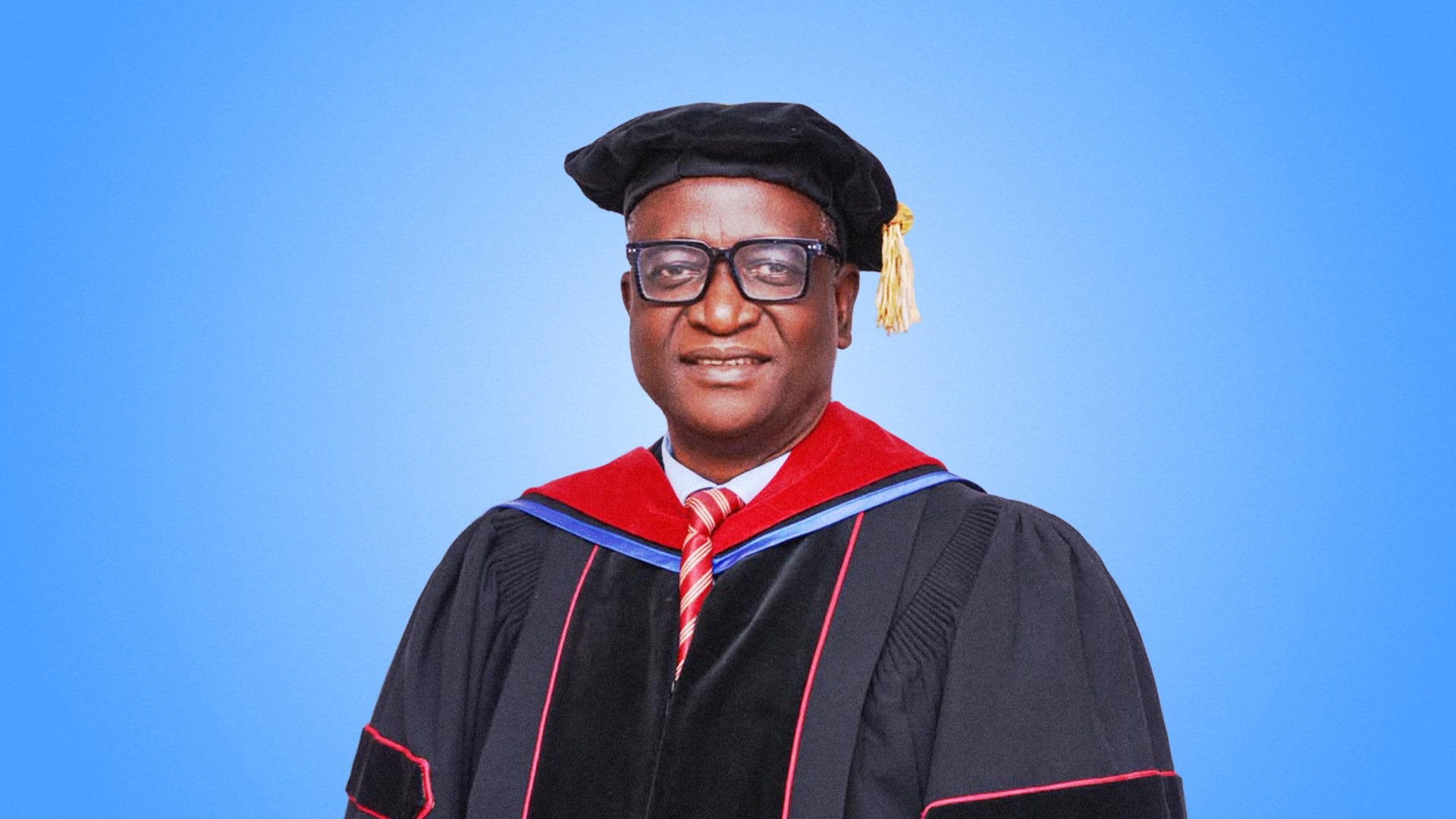
Agang, a prominent Nigerian theologian, was formerly the provost of Evangelical Church Winning All (ECWA) Theological Seminary, Jos, and is now the chairman of the ECWA board of trustees. A prolific author, Agang has also written for Christianity Today.
Agang spoke to CT about his interactions with the kidnappers, the increase in kidnappings in the country, and ways the church can minister to families of kidnapping victims. This interview has been edited and shortened for clarity.
What was on your mind during the kidnapping? Were you fearful?
The first thing that came to my mind was that I was about to experience what others have suffered. I felt God allowed this to happen because he wanted me to come back with a message. I saw God’s hands upon me—the kidnappers brought me water to drink and were friendly to me. They promised not to kill me if the ransom was paid.
When I heard the ransom of 50 million naira, I lost hope. I believed it was better for me to just die instead of paying them. My family would need to borrow a huge amount of money. And even if they could, where would they get that kind of cash? But my kidnappers refused to kill me. They said it was because my time had not come to die. They just wanted me to work to get the ransom money for them.
They were all Fulani herdsmen and had one AK-47. They asked me to call my wife to tell her the ransom amount. I also called one of the leaders in my denomination, ECWA. I told him my situation and asked him to mobilize prayers for me. I was encouraged to know Christians were praying for me.
What did you learn about the kidnappers through your interactions with them?
When one of the kidnappers began speaking to me about his experience, I felt perhaps this is another dimension of the Fulani people that I need to know about. He told me his parents died and left him with 70 cattle, but the Nigerian military came to their homes and took the livestock. They were left without anything to survive on.
A second kidnapper also shared a similar experience. He said the military came and killed his parents, killed some of his siblings, and then carted away 80 cattle, leaving him with nothing. They told me they don’t kidnap because they want to but because it was the only way for them to survive. He also said Fulanis aren’t seen as legal citizens of the country because people only see them as bandits or Boko Haram members, so they can’t go to the city like other Nigerians. He added that if I had a job for him, he’d rather take that job.
God really sent me to listen to those stories. I learned to avoid stupid conclusions about what is going on in the conflict between Fulani herdsmen and farmers, as if it is all about religion. As a researcher, I believe God has given me another angle to research. The kidnappers told me where I could gather more information, as many Fulani are in prison.
I want to work with two researchers who are focusing on reaching out to Fulani and see how I can contribute to what they are doing. I need prayers and wisdom.
CT reported the case of pastor Audu Issa James, who died in a kidnappers’ den even after his family paid a ransom of 5 million naira ($3,000 USD). How can the Nigerian church minister to the families of kidnapping victims as well as the victims themselves?
When the kidnappers came to my house, they broke the windows and shattered the main doors. The church immediately took my family to a hotel for their safety. I was very happy to hear that. However, our denomination has a policy: The church does not help pay ransom. I was the first person that was affected by the policy.
It is true that some families don’t even see the dead bodies of their loved ones—even after paying ransoms in millions. But we must always realize that anything that happens is because God allowed it.
Last year, the husband of a woman at my village of Kafanchan in Kaduna state was kidnapped. His captors killed him even after his family paid for his release. When I went back to Kafanchan after my release, this woman visited me. I didn’t even know he had been killed. She said something that struck me: “If God had not planned that my husband would die that way, he wouldn’t have died.”
We don’t always have to search for words to comfort them; we just need to go and listen to them. Nobody can assume they have a way of comforting them, of helping them process their situation. It is difficult for them to go on with their lives. They need more than we can give them, and God will always give his people what they need.
The church could also provide a trauma-healing process for kidnapping victims. I was lucky that my daughter helped organize such a session for our family, which was very, very helpful. We were very happy because it helped us to process what we have gone through and think through it.
Amnesty International reported 1,100 kidnappings occurred between January and April of this year. How do you view the crisis of kidnappings in the country?
Nigeria’s problem is sin: the sin of corruption, dishonesty, jealousy, and greed. My experience confirmed that the conflict is serious in this country and we will continue to suffer. We will continue to go through this until we face the reality of sin.
We also have to talk about the reality of who we are. How do we help people recognize that they are human beings created in God’s image? The issue is one of human dignity—the dignity of these bandits, the dignity of the kidnappers. How do we still see them as human beings and begin to find ways of making sure that they realize that?
Based on my conversation with the kidnappers that I encountered, they have not lost that consciousness. They still believe that they are human beings and we are all human beings.
The church must begin to speak to the issues and challenges facing this country. We must demand politicians, who have been given the opportunity to be in power, focus on rebuilding this country. The church also needs to put its house in order. It’s unfortunate that with all the mess in Nigeria, the church is still engaging in harmful lifestyles, such as immorality and preaching the prosperity gospel. We need to face the reality of sin in the church and in society.
It’s now been several weeks since the kidnapping. How have you adjusted back to normal life after this traumatic experience?
God has turned that harrowing experience for his own glory. There were celebrations when people heard I was released. Even up to today, people are calling and only thanking God and celebrating God.
Recently, my family and I went to our home in Kafanchan. Several widows and orphans came to us, thanking God for answering prayers and releasing me. There were prayers for me from across Africa and other continents of the world. God really intervened.
My satisfaction is that people are giving glory and honor to God. I now have a certificate from the university of kidnappers.