Cover Story

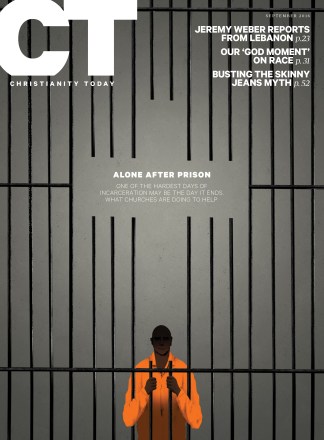
Does Your Church Talk About Prison?

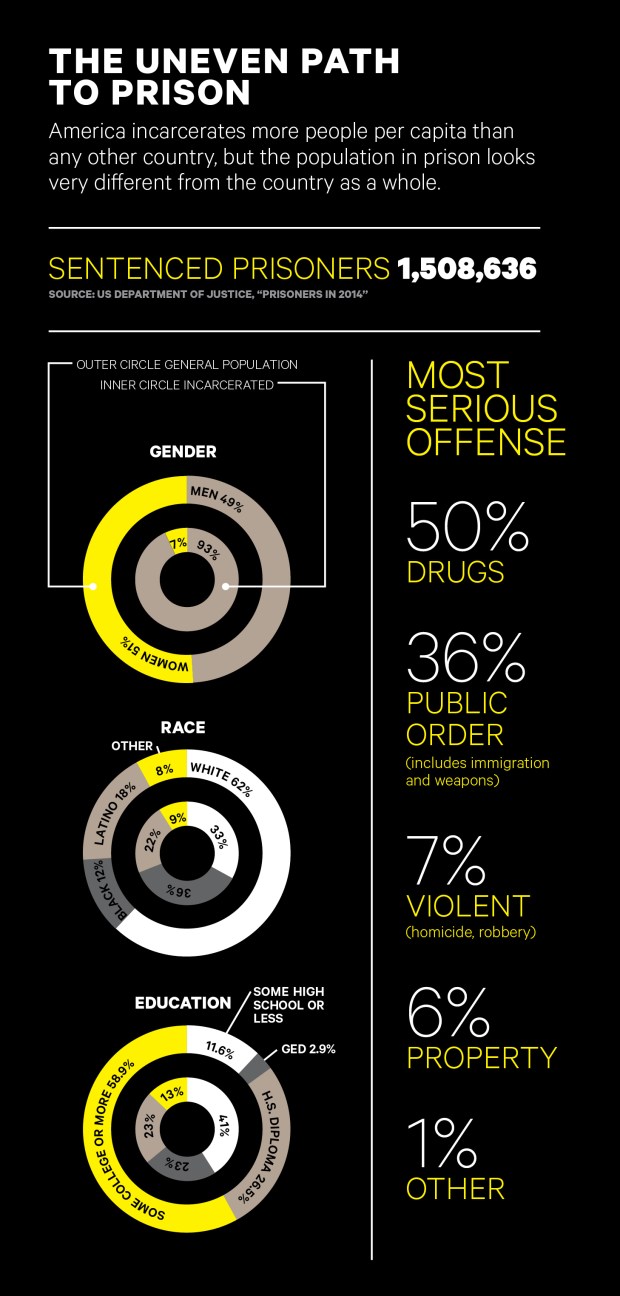
The disparities in America’s criminal justice system find an echo in which churches do, and don’t, discuss the issue.

Jobs for Felons Hub / Flickr

In a study of 1,000 mainline and evangelical pastors conducted by LifeWay Research this year, only 26 percent said they had addressed the country’s incarceration rates in the past six months.

Four out of five pastors (83%) said they had visited a correctional facility, and about three out of four pastors whose churches averaged 250 or more attendees reported that individual members were ministering to those in correctional facilities (80%), the families of the incarcerated (73%), and those coming home (78%). But these same churches were far less likely to have formal programs: Just over half (53%) said a team from their church worked in correctional facilities. About 1 in 4 churches had a formal ministry to families of incarcerated people (24%) and people leaving correctional facilities (22%).

Responses varied dramatically by race. One third of African American pastors (32%) reported mentioning mass incarceration in the last month, compared with only 7 percent of whites. White pastors were most likely to say that they had never addressed it in a sermon (41%).

That’s partially because of their audience: About one third of African American pastors (29%) estimated that 10 percent or more of their church’s attendees currently had an incarcerated family member. Fewer than 1 in 10 white pastors (8%) said the same.

About one third of churches overall said that no one in their congregation had been previously incarcerated. That was more likely to be true for majority-white churches (33%) than majority-black churches (19%).

Overall, however, Karen Swanson, director of the Institute for Prison Ministries at the Billy Graham Center at Wheaton College, thinks these latter numbers are too high. Instead, it’s likely that those who were previously incarcerated or have family members in prison have chosen not to inform the congregation or pastors, probably due to shame.

“You hear ‘I feel more shame when I attend the church. I don’t know want anyone to know,’ ” said Swanson. “We need to educate people in the church about how to give grace.”
Also in this issue

The CT archives are a rich treasure of biblical wisdom and insight from our past. Some things we would say differently today, and some stances we've changed. But overall, we're amazed at how relevant so much of this content is. We trust that you'll find it a helpful resource.

Our Latest

From Our Community

A Commitment to the Gospel Is A Commitment to Diversity

Caitlin Edwards

Rev. Dr. Gabriel Salguero shares how the Gospel teaches us to love our neighbors and build bridges.

A Memoir of Exvangelical Anger—but Not for the People in the Pews

Journalist Josiah Hesse discusses his new book on poverty, Pentecostalism, and the politics of the Christian right.

News

Nigerian Christian Schools Fill Gaps for Students with Disabilities

Emiene Erameh

Many public schools can’t offer special education, so churches offer needed resources and community.

The Russell Moore Show

Moore to the Point: Why Christians Ignore What the Bible Says About Immigrants

Believers can disagree on migration policies—but the Word of God should shape how we minister to vulnerable people.

Studying Pain ‘Causes Me to Pine for Eternity’

Interview by Yi Ning Chiu

A clinical psychologist explains her research on the brain, suffering, and culture—and what she’s learned about God’s beautiful design.

Being Human

Adam Young on Trauma and Theology: Why Your Certainty Might Be Just a Fancy Disguise

Can exploring the impact of trauma on our lives lead wounds to wisdom?


The Bulletin

Venezuelan Oil, LA Fires Aftermath, and Revival In America

Mike Cosper, Clarissa Moll, Russell Moore

The global aftershock of military action in Venezuela, California churches rebuild one year after LA fires, and the possibility of revival in America.

What Christian Parents Should Know About Roblox

Isaac Wood

The gaming platform poses both content concerns and safety risks that put minors in “the Devil’s crosshairs.” The company says tighter restrictions are coming.

Apple PodcastsDown ArrowDown ArrowDown Arrowarrow_left_altLeft ArrowLeft ArrowRight ArrowRight ArrowRight Arrowarrow_up_altUp ArrowUp ArrowAvailable at Amazoncaret-downCloseCloseEmailEmailExpandExpandExternalExternalFacebookfacebook-squareGiftGiftGooglegoogleGoogle KeephamburgerInstagraminstagram-squareLinkLinklinkedin-squareListenListenListenChristianity TodayCT Creative Studio Logologo_orgMegaphoneMenuMenupausePinterestPlayPlayPocketPodcastRSSRSSSaveSaveSaveSearchSearchsearchSpotifyStitcherTelegramTable of ContentsTable of Contentstwitter-squareWhatsAppXYouTubeYouTube