As the nation passed 500,000 coronavirus deaths this week, government data revealed that the life expectancy for African American men dropped three years—triple the decline among Americans overall during the first half of 2020.
In an effort to help reach minority communities that have been disproportionately affected by COVID-19 but less likely to get the shot, a coalition of 150,000 churches recently announced its plan for vaccinating over 100 million black and Latino churchgoers.
The National Black Church Initiative (NBCI), which represents historic black denominations and partners with Latino leaders, has been lobbying the federal government for a more comprehensive plan to address disparities in COVID-19 vaccine uptake. NBCI president Anthony Evans wants to see the government more deliberately use churches’ built-in trust and familiarity to make the vaccine more accessible for minority populations.
Evans said at a press conference at Mount Zion Baptist Church in Washington, DC, last week that he supports Centers for Disease Control and Prevention (CDC) recommendations for who should become vaccinated first but worries that African Americans and Latinos who qualify because of their age or underlying medical conditions aren’t getting the vaccine.
A representative from Health and Human Services (HHS) has not responded for comment on the NBCI plan, though the CDC distribution plan intends to address health inequities and “remove unfair, unjust, and avoidable barriers to COVID-19 vaccination.”
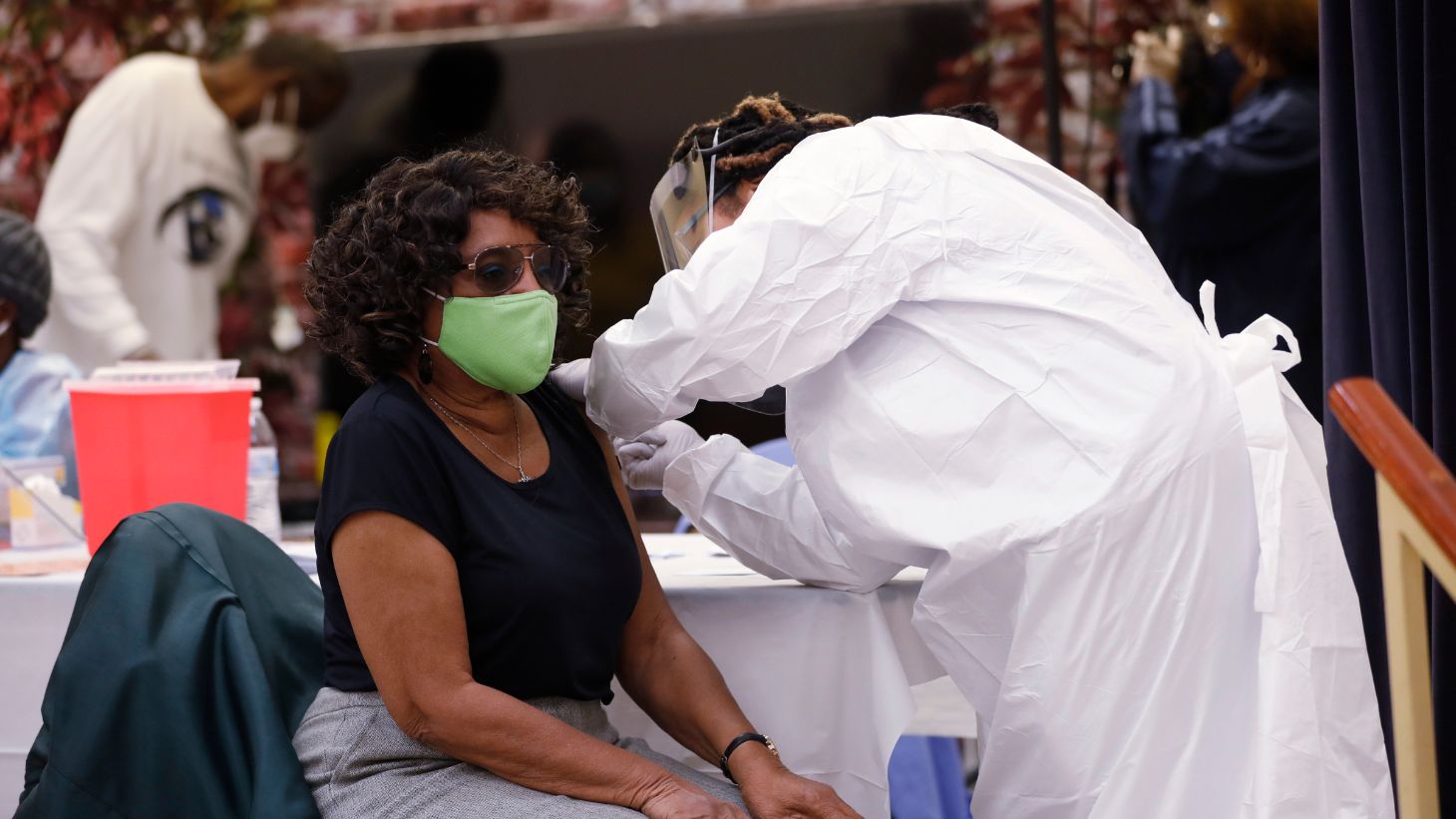
While black churches across the country have already opened their doors to help states and hospitals distribute the vaccine, Evans’s large network could add 300 church-based vaccination sites in the hardest-hit neighborhoods nationwide—a more coordinated, larger-scale effort to vaccinate minority groups than has been attempted so far.
The NCBI plan aspires to be “the largest, faith-based mobilization of African American and Latino Protestant denominations in the country to achieve a single health goal.”
In partnership with the National Hispanic Medical Association, the National Medical Association (the professional organization for black doctors founded amid the Jim Crow era), and corresponding nursing groups, the network organized response teams by zip code.
“We will send the response teams out to every single neighborhood that looks like them and speaks like them, both on the black and Latino side,” said Evans. In many cases, these areas lack robust medical systems to begin with, a result of Jim Crow segregation and decades of inequality.
So far, vaccine distribution sites are more likely to be located in white neighborhoods and require online registration, even though black and Hispanic families and the elderly—the groups most vulnerable to COVID-19—are less likely to have broadband internet access.
In some cities, white Americans have even traveled to receive vaccines in predominantly minority communities, such as a Latino neighborhood in New York and a private health center in an African American neighborhood in Los Angeles.
“When you went to the site, most of the people there were whites, and barely any African Americans were there,” said Peter Watts, pastor of The Rock Church in Los Angeles. He explained that it wasn’t well advertised in the community but was listed online.
Co-op City Baptist Church in the Bronx is already serving as a vaccine site, but the community is still underserved due to the state’s appointment system, said Carrie Mobley, a retired church member who advocates for seniors. She receives calls from residents struggling to navigate the website or waiting on hold for a long time to get through. “The governor’s office has made this process hard for a normal senior citizen to work through,” she said.
Barbara Felker, an associate pastor at Highbridge Community Church in the Bronx, also serves as a healthcare executive and arranges pop-up clinics at churches. Her company, Northwell Health, adjusted the process for distributing vaccines among minority communities by shifting from advertising on public websites about vaccination events to emailing pastors a private link to share in their neighborhood.
“The faith-based partnership is critical to access to care and distribution,” said Felker, Northwell’s vice president of strategic community partnerships. “Pastors are in the community, and they know how to do outreach to the community.”
The private link still requires some demographic information for patients to fill in to schedule the appointment, but churches can include their phone numbers to call and provide volunteers to step into the digital divide, answering phones and filing electronic forms.
The targeted approach seems to be increasing the vaccination numbers not only of church members but also of the minority populations whose numbers have been lagging, said Felker.
California tried a similar approach with special access codes meant for hard-hit communities of color, but the wealthier are still snagging vaccine appointments instead.
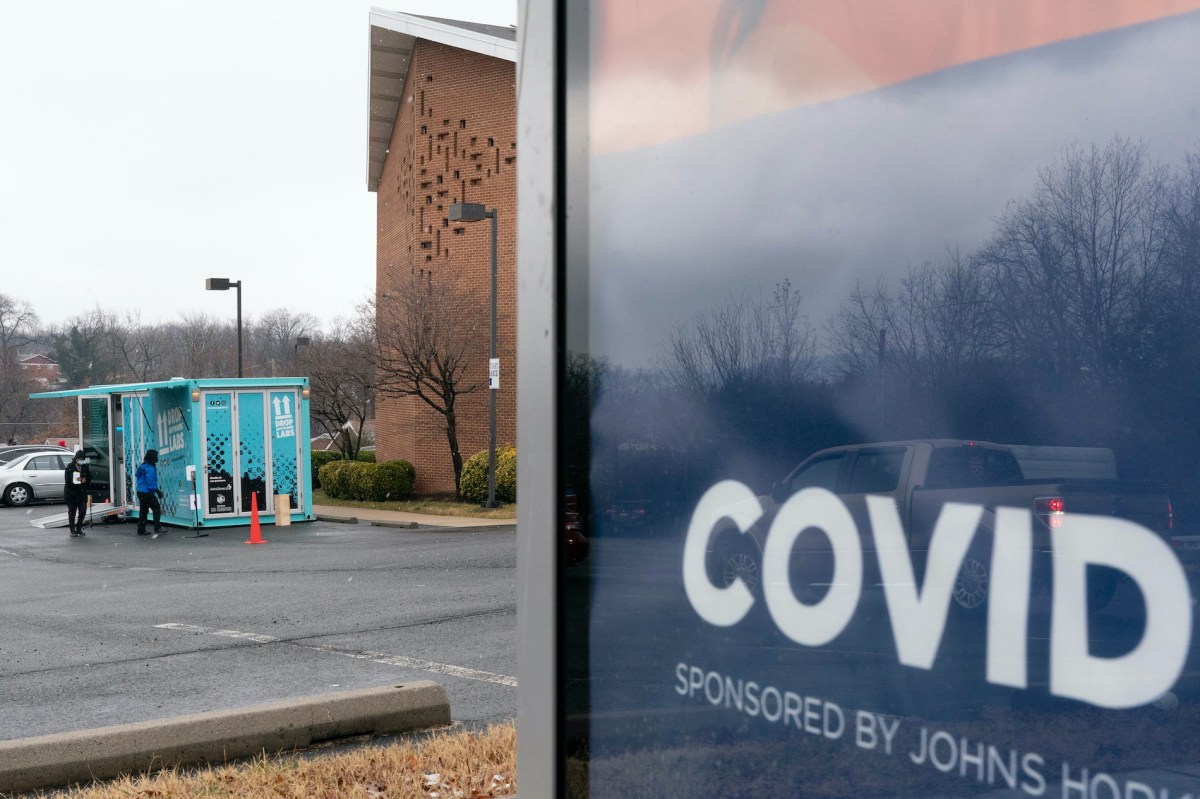
So far, the CDC has demographic data from only 34 states on about 55 percent of the vaccinations given nationally. Kaiser Family Foundation, looking at data through February 16, reported how blacks and Latinos are receiving fewer doses but carrying a bigger burden of COVID-19 cases. In Florida, where Governor Ron DeSantis already committed to distributing vaccines through seven black churches in January, 6 percent of those who received a shot were blacks, though they make up 16 percent of the population and 16 percent of COVID-19 deaths.
In Mississippi, only 22 percent of vaccine recipients were blacks, while they make up 40 percent of coronavirus deaths. In Texas, data on Hispanics is similar: 20 percent of vaccinations and 47 percent of deaths from the virus.
Evans feels confident that black churches also have the trust needed to educate communities where there is hesitation to take the shot. To further persuade the undecided, the NBCI’s committee of five African American and four Latino doctors independently reviewed the Moderna and Pfizer vaccines and confirmed their safety last week.
Watts, who leads The Rock Church, a Reformed Church in America congregation in Los Angeles, noticed historically black churches holding educational events to “dispel the myths that are out there,” he said. “People in the community trust the church and whatever information the church is putting out in regards to safety.”
His church sent out a list of neighborhood vaccination sites, which he used to find a location to take his mother to get her first dose.