
Got a question? Email advice@christianitytoday.com to ask CT’s advice columnists. Queries may be edited for brevity and clarity.
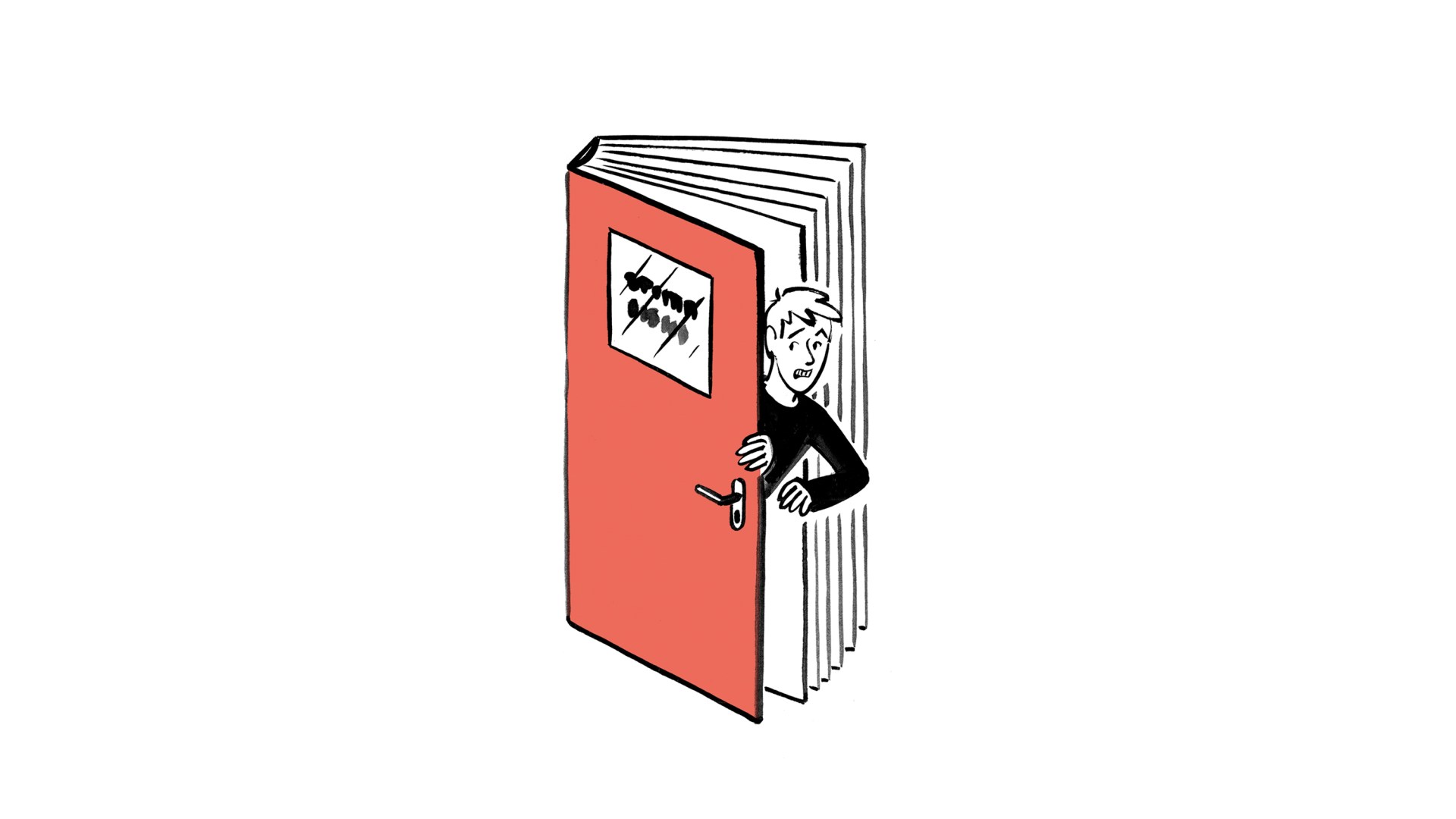
Q: What do you do about pastors whose preaching isn’t good? I don’t mean bad theology but more mundane problems. Messy organization. Poor delivery. Too many ideas at once. I don’t come to church for a performance, and I appreciate the wisdom and intent. These are faithful shepherds. But they could be more skilled, and I wonder if it’s ever appropriate to say so. —Tough Crowd in Tennessee
Karen Swallow Prior: Some people’s jobs have regular evaluations built in. Preachers and pastors, perhaps because of assumptions about the nature of their callings, are often in roles for which such assessments are not the norm.
It’s seldom wise to give advice or feedback that is neither requested nor expected. But your question raises others that might be more important: What part does the sermon play in the church’s worship service and in the overall life of the church? (This differs across denominations.) Is the church governed in a way that supports that congregational emphasis? Do other church leaders (like elders or bishops) “pastor the pastor” to facilitate the reflection, rest, and growth needed to develop preaching skills?
After all, among the biblical qualifications for an elder is the ability to teach (1 Tim. 3:2). This includes the ability to communicate, and church leadership should be holding preachers to this standard along with the expectation of maturity that would support such accountability.
These underlying reasons for a pastor’s lack of skill in preaching are the more important matter here. If your church is a place where character, care, feedback, and growth are encouraged, then the preaching problem should diminish over time. If it is not such a place, then poor preaching is not your most significant worry.
 Illustration by Jack Richardson
Karen Swallow Prior lives in rural Virginia with her husband, two dogs, and several chickens. Following a decades-long vocation as an English professor, Karen now speaks and writes full-time
 Illustration by Studio Pong
Q: For years, my younger sister has experienced severe, undiagnosed mental health issues. Though she’s an adult, her rage and deception have harmed my parents, and I’m not alone in worrying about their welfare. My parents’ motto is to forgive like Jesus, but it hurts to watch how my sister treats them. I’ve cut ties with her, to my parents’ dismay, and I need advice. I know God calls us to forgive, but is estrangement a sin? —Isolated in Illinois
Kevin Antlitz: These questions are among the most confounding and painful we can face. To begin, it may be helpful to differentiate forgiveness, reconciliation, and restoration. In my experience, much harm comes from conflating these three related yet distinct things. Christians are commanded to forgive whether or not someone apologizes (Matt. 6:14–15; Col. 3:13). Forgiveness is hard, but by the grace of God, it is within our control.
Reconciliation, however, requires both sides to take responsibility for wrongs, to repent of harmful behaviors, and to repair the damage when possible. We ought always to seek reconciliation (Rom. 12:18), but this is not within our control. It is a two-way street.
And though reconciliation brings peace, it doesn’t automatically restore the relationship to what it was. Such restoration isn’t always wise, let alone possible.
Now, to your situation. Your instinct is right: God is indeed calling you to forgive, and he will give you the grace to do it over and over again. But forgiveness and boundaries aren’t mutually exclusive. In fact, forgiveness often requires strong boundaries. If your sister refuses to take responsibility and repent, reconciliation and restoration aren’t possible. Your options, then, are enabling her bad behavior or estrangement. As sad as it is, you’ve chosen the path of wisdom. As long as you remain open to reconciliation, estrangement is not sinful in your case.
 Jack Richardson
Kevin Antlitz is an Anglican priest at a Pittsburgh church positively overflowing with kids. He and his wife have three young children who they pray will never know a day apart from Jesus.
Q: I’ve never known my dad to be a writer, so I was surprised when a sibling showed me Amazon pages for three books—all Christian devotionals—listing him as the author and self-published within a single week. Since then, my father has promoted these books online. He’s tech-savvy, and I strongly suspect he “wrote” them using ChatGPT. The situation has been gnawing at me. I’m angry, disappointed, and stressed. What should I do? —Taken Aback in Texas
Kiara John-Charles: As we enter adulthood, navigating parent-child relationships can stir up complex emotions, especially if you suspect your parent is involved in deceit or some other sin.
This situation requires balancing honor for your father with a call to integrity. Scripture provides a few examples of adult children confronting their parents. Think of Jonathan defending David against his father, Saul (1 Sam. 19:4–5; 20:32), or Jesus correcting Mary at the wedding in Cana (John 2:3–4).
These stories show the delicacy of such moments and the necessity of wisdom. Allow the Holy Spirit to guide and convict you and your dad alike (John 16:7–8, 13).
While the desire to see your father live a life of integrity is natural, confronting him in anger and disappointment is unlikely to result in the admission of guilt you seek. Your approach to him and what he seems to have done must come from love.
Begin with prayer to align yourself to God’s heart, and allow the Holy Spirit to steer your steps. If God does lead you to talk to your father about his writing, speak to him with love, respect, and curiosity. Start with questions rather than accusations, remembering that you haven’t yet confirmed your suspicions. Encourage honesty if he has been deceitful, but engage him in honor and charity, trusting the Spirit to move.
 Illustration by Jack Richardson
Kiara John-Charles is an LA native with Caribbean roots and a love for travel and food. She works as a pediatric occupational therapist and serves at her local church in Long Beach, California.
This article appeared in the January/February 2026 issue of Christianity Today as "Qualms & Proverbs".
Qualms & Proverbs: Got a question for CT’s advice columnists? Email advice@christianitytoday.com. Queries may be edited for brevity and clarity.
Related