The Democratic Evangelists

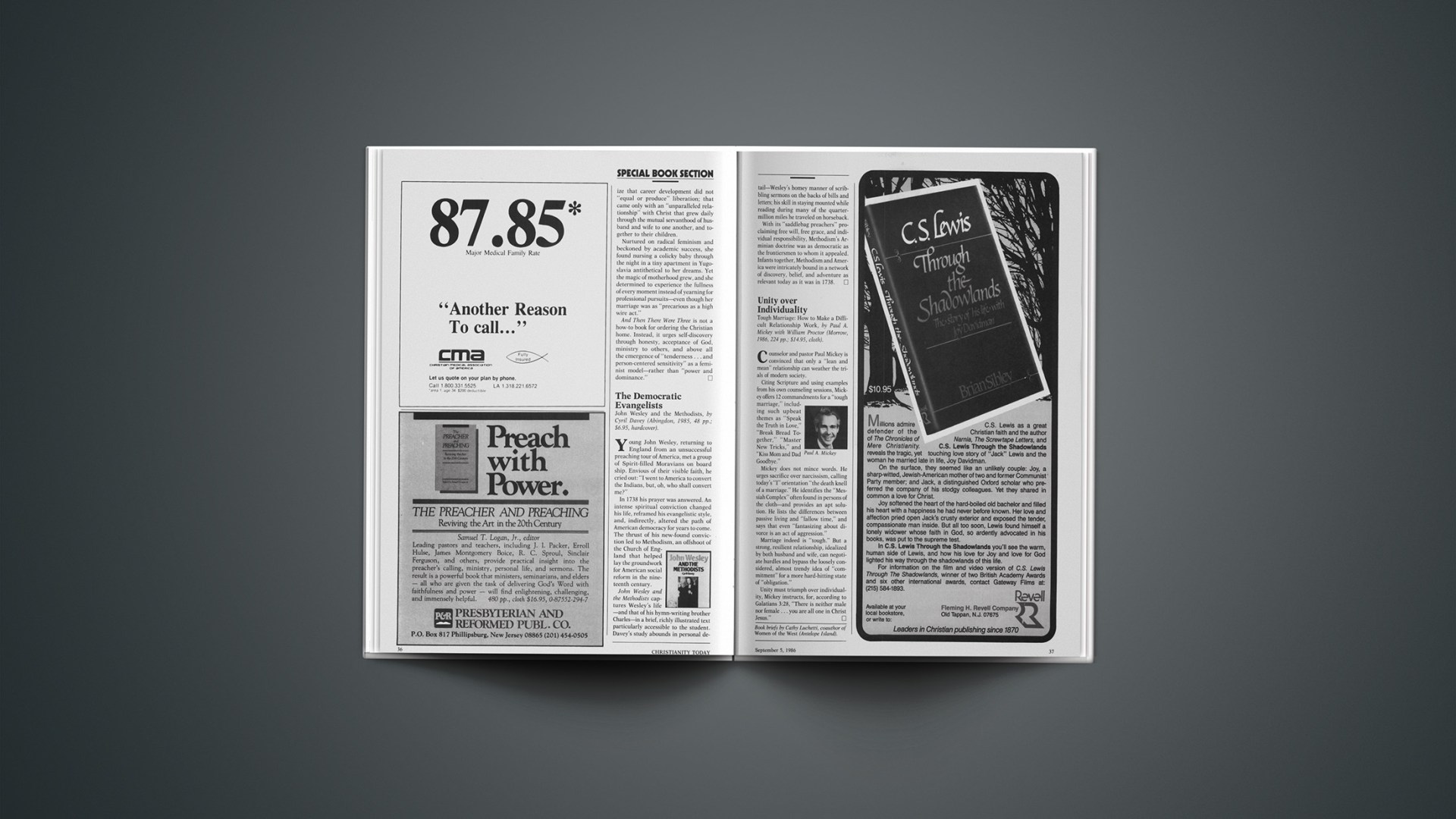
John Wesley and the Methodists, by Cyril Davey (Abingdon, 1985, 48 pp.; $6.95, hardcover).

Young John Wesley, returning to England from an unsuccessful preaching tour of America, met a group of Spirit-filled Moravians on board ship. Envious of their visible faith, he cried out: “I went to America to convert the Indians, but, oh, who shall convert me?”

In 1738 his prayer was answered. An intense spiritual conviction changed his life, reframed his evangelistic style, and, indirectly, altered the path of American democracy for years to come. The thrust of his new-found conviction led to Methodism, an offshoot of the Church of England that helped lay the groundwork for American social reform in the nineteenth century.

John Wesley and the Methodists captures Wesley’s life—and that of his hymn-writing brother Charles—in a brief, richly illustrated text particularly accessible to the student. Davey s study abounds in personal detail—Wesley’s homey manner of scribbling sermons on the backs of bills and letters; his skill in staying mounted while reading during many of the quarter-million miles he traveled on horseback.

With its “saddlebag preachers” proclaiming free will, free grace, and individual responsibility, Methodism’s Arminian doctrine was as democratic as the frontiersmen to whom it appealed. Infants together, Methodism and America were intricately bound in a network of discovery, belief, and adventure as relevant today as it was in 1738.
Our Latest

News

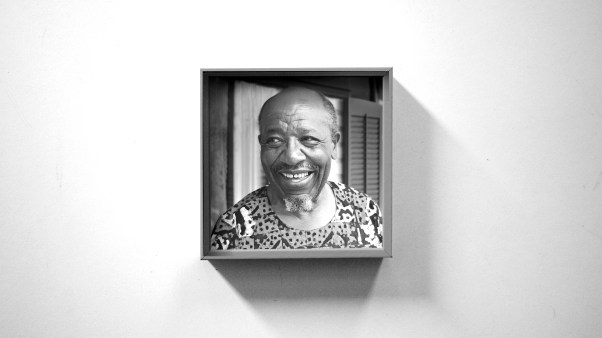
Died: John M. Perkins, Who Lived and Preached Racial Reconciliation

The civil rights leader believed in a gospel bigger than race or self-interest.

The Year of the Evangelical

America prepared for a bicentennial, and religious identity dominated the presidential campaign.

Review

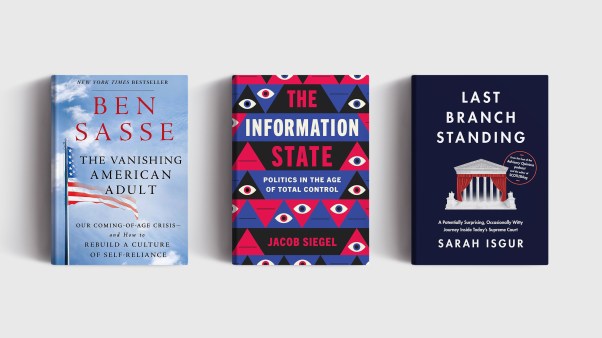
Decoding the Supreme Court

Three books to read this month on politics and public life.

The Bulletin

Cost of Iran War, Quiet Southern Border, and Anglican Church Split

Mike Cosper, Clarissa Moll, Russell Moore

The financial and moral toll of war, immigration slows but ministry continues, and why denominations split.

Review

‘The Secret Agent’ Explores Memory and Authoritarianism in Brazil

Mariana Albuquerque

The Oscar-nominated film reminds viewers to learn from the past—and to share our stories with the next generation.

Q&A: Eric Mason on Ministering to Men and Witnessing in Politics

Interview by Benjamin Watson

The Philadelphia-based pastor discusses how the church can engage Black men and have a biblical approach to government.

Jan Karon Looks Back on 89 Years of God’s Faithfulness

The author of the Mitford Years series married at 14, protested segregation, and wrote her first book at 57.

The Just Life with Benjamin Watson

Michel Lusakueno: Why the World Can’t Ignore Congo

Exploring the sobering connection between modern convenience and human suffering.

Apple PodcastsDown ArrowDown ArrowDown Arrowarrow_left_altLeft ArrowLeft ArrowRight ArrowRight ArrowRight Arrowarrow_up_altUp ArrowUp ArrowAvailable at Amazoncaret-downCloseCloseEmailEmailExpandExpandExternalExternalFacebookfacebook-squareGiftGiftGooglegoogleGoogle KeephamburgerInstagraminstagram-squareLinkLinklinkedin-squareListenListenListenChristianity TodayCT Creative Studio Logologo_orgMegaphoneMenuMenupausePinterestPlayPlayPocketPodcastprintRSSRSSSaveSaveSaveSearchSearchsearchSpotifyStitcherTelegramTable of ContentsTable of Contentstwitter-squareWhatsAppXYouTubeYouTube